Introduction
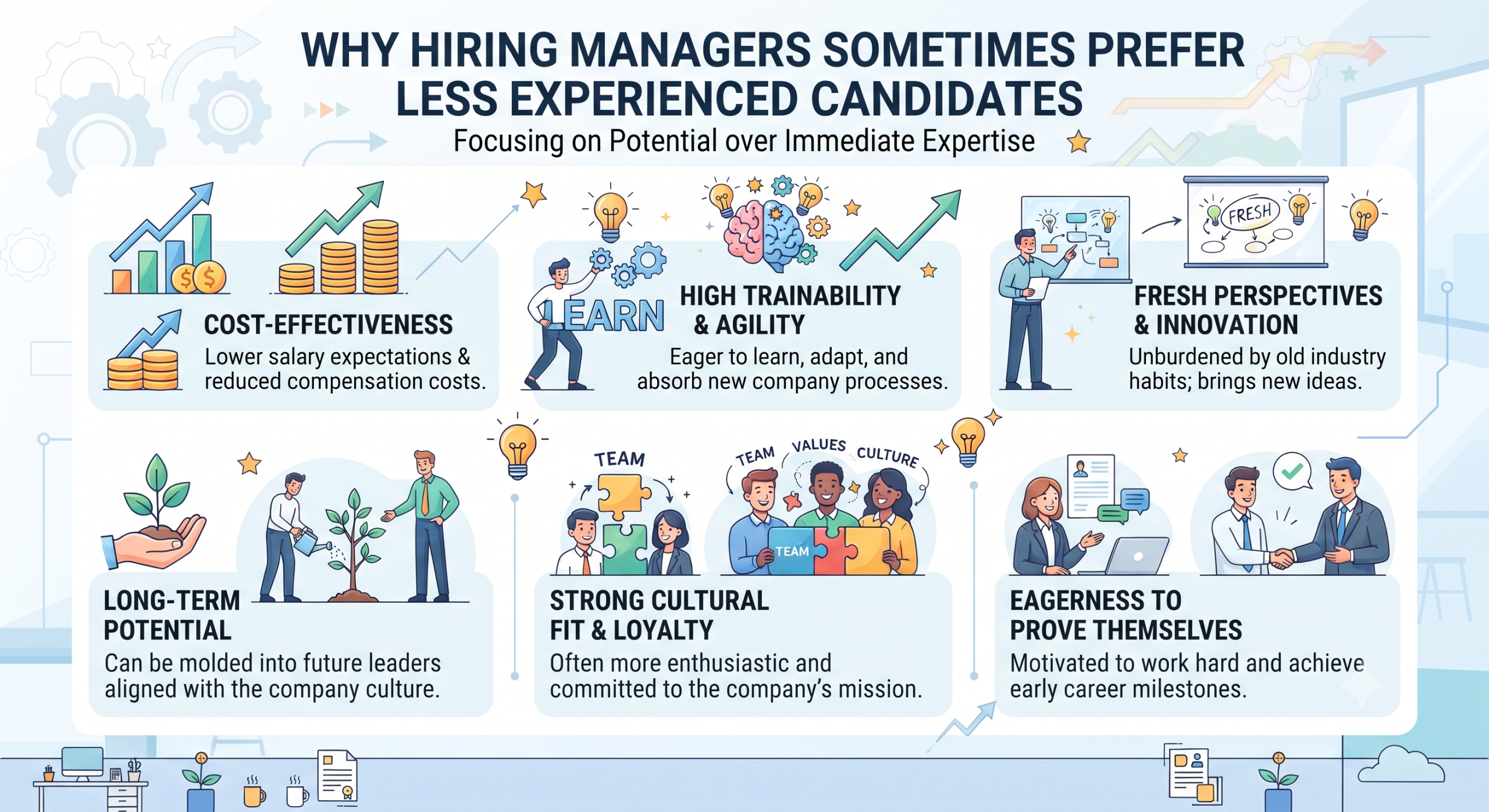
It may seem logical to assume that candidates with the most experience always have the best chance of getting hired. However, hiring decisions are rarely based on years of experience alone. Many hiring managers intentionally choose less experienced candidates because they believe those individuals offer qualities that are just as valuable—such as adaptability, eagerness to learn, cultural alignment, and long-term growth potential.
This doesn’t mean experience has lost its value. Instead, employers are taking a broader view of what makes someone successful in a role. They are looking beyond résumés to assess mindset, motivation, communication skills, and the ability to grow with the organization.
Whether you’re entering the workforce or competing against candidates with more experience, understanding why hiring managers sometimes make this choice can help you position yourself more effectively. This guide explains the key reasons behind these decisions and how you can use them to strengthen your job search.
Companies Hire for Potential, Not Just Experience
Experience demonstrates what you’ve done in the past, but potential indicates what you can achieve in the future.
Hiring managers often evaluate:
- Will this candidate learn quickly?
- Can they adapt to changing responsibilities?
- Are they curious and motivated?
- Can they grow into leadership roles?
- Will they contribute to long-term business success?
Candidates who show a willingness to learn and continuously improve often stand out, even if they have fewer years of experience.
Employers recognize that technical skills can be taught, while attitude and work ethic are much harder to develop.
Adaptability Is Increasingly Valuable
Modern workplaces change rapidly due to new technologies, evolving customer expectations, and changing business priorities.
Less experienced candidates are often perceived as:
- Open to learning new systems
- Comfortable adopting new technology
- Flexible with changing responsibilities
- Willing to accept feedback
- Faster at adapting to new workflows
Organizations undergoing digital transformation frequently prioritize adaptability alongside technical competence.
Demonstrating your ability to embrace change can significantly strengthen your application.
They May Be Easier to Train
Hiring managers sometimes prefer candidates who can be trained according to the company’s established processes rather than professionals who are deeply accustomed to different ways of working.
Benefits include:
- Faster integration into company workflows
- Greater consistency
- Fewer conflicts with existing processes
- Easier adoption of internal systems
- Stronger alignment with company standards
This does not suggest experienced professionals are difficult to manage, but companies often value employees who are receptive to learning their specific methods.
Enthusiasm Can Make a Difference
Passion and motivation often influence hiring decisions.
Recruiters notice candidates who:
- Research the company thoroughly
- Ask thoughtful questions
- Show genuine excitement about the role
- Demonstrate initiative
- Express a desire to grow
Enthusiastic candidates frequently leave stronger impressions than applicants who appear overqualified but less engaged.
Showing authentic interest in the organization helps employers envision your long-term contribution.
Salary Expectations Often Influence Hiring Decisions
Budget constraints are a reality for many organizations.
Highly experienced candidates may have salary expectations that exceed the company’s hiring budget.
Less experienced professionals may:
- Accept entry-level compensation
- View the position as a growth opportunity
- Remain with the company longer
- Progress internally over time
While salary should never be the only deciding factor, it is often considered alongside skills, experience, and future potential.
Candidates should focus on demonstrating value rather than assuming compensation alone will determine hiring outcomes.
Strong Soft Skills Can Outweigh Technical Experience
Technical skills are essential, but soft skills increasingly influence hiring decisions.
Employers highly value:
- Communication
- Teamwork
- Leadership potential
- Emotional intelligence
- Problem-solving
- Time management
- Accountability
A candidate who collaborates effectively and communicates clearly may outperform someone with more technical experience but weaker interpersonal skills.
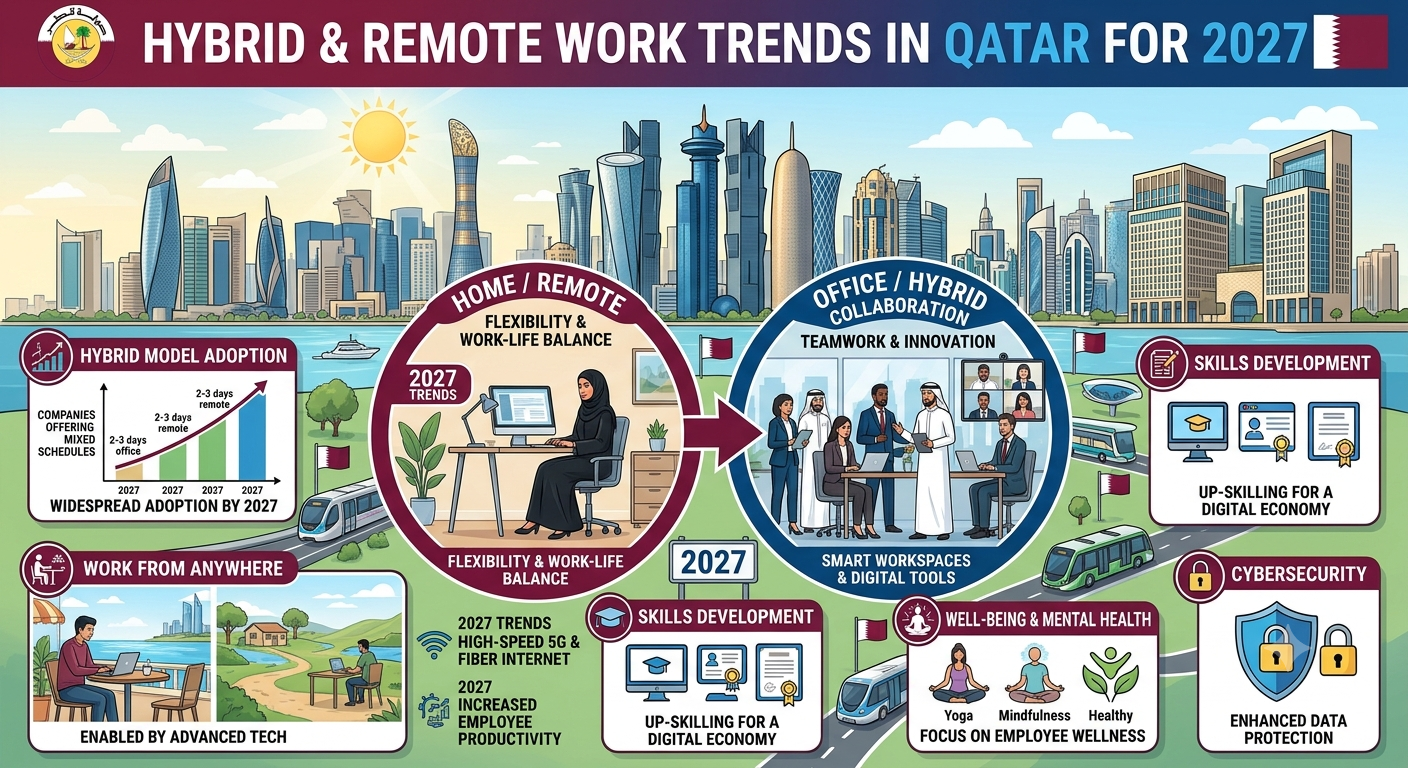
These qualities become even more important in remote and hybrid work environments.
Remote Work Requires Self-Management
Many organizations now operate with distributed teams.
Hiring managers look for candidates who demonstrate:
- Self-discipline
- Independent problem-solving
- Effective communication
- Digital collaboration
- Productivity without constant supervision
If you’ve worked remotely, managed projects independently, or collaborated across multiple locations, highlight these experiences during interviews.
When searching for flexible opportunities, best job tool, a global job platform, can help you explore remote and hybrid positions that reward initiative and adaptability over years of experience alone.
Continuous Learning Matters More Than Static Experience
Hiring managers appreciate candidates who actively invest in their professional development.
Examples include:
- Industry certifications
- Online courses
- Personal projects
- Volunteer work
- Freelance experience
- Professional networking
- Technical training
Showing continuous improvement demonstrates that you’re prepared for future business challenges.
Employers increasingly hire people who learn consistently rather than relying solely on past achievements.
Demonstrate Productivity and Business Impact
Regardless of your experience level, employers want evidence that you can produce meaningful results.
During interviews, discuss examples where you:
- Solved business problems
- Improved efficiency
- Reduced costs
- Increased customer satisfaction
- Completed projects successfully
- Learned new skills quickly
Use measurable outcomes whenever possible.
Numbers help hiring managers understand the impact of your work more effectively than general descriptions.
As your career develops, best job tool can help you connect with employers seeking professionals who demonstrate capability, adaptability, and long-term growth potential.
Conclusion
Hiring managers don’t always choose the candidate with the longest résumé—they choose the candidate who offers the greatest overall value for the role. While experience remains important, qualities such as adaptability, enthusiasm, communication, learning ability, and cultural contribution increasingly influence hiring decisions. Less experienced candidates often succeed because they demonstrate strong potential, embrace change, and show a genuine commitment to growth.
Whether you’re just beginning your career or competing with more experienced professionals, focus on presenting measurable achievements, continuous learning, and a positive, solution-oriented mindset. By showcasing both your capabilities and your potential, you can stand out in today’s competitive job market. As you pursue your next opportunity, best job tool, a global job platform, can help you discover remote, hybrid, and international roles where employers value talent, motivation, and future potential.


Leave a Reply