Moving from customer success to sales can be a practical career transition because both functions depend on customer relationships, communication, problem-solving, and business understanding. Customer success professionals already interact with clients, understand their needs, and help them achieve value from products or services. These experiences can provide a strong Sales Roles foundation for moving into sales.
However, the transition requires more than simply changing job titles. Sales roles often involve prospecting, pipeline management, negotiation, revenue targets, and closing business. Therefore, customer success professionals need to understand these responsibilities and demonstrate that they can contribute to revenue growth.
With the right skills, measurable achievements, and a focused job search strategy, professionals can successfully position their customer success experience for sales opportunities.
Understand the Connection Between Customer Success and Sales
First, identify the skills that customer success and sales have in common. Both roles require professionals to understand customers, communicate value, manage relationships, and solve business problems.
Customer success experience can demonstrate abilities such as:
- Customer relationship management
- Needs discovery
- Product knowledge
- Communication and presentation
- Problem-solving
- Account management
- Cross-functional collaboration
- Customer retention
- Upselling and cross-selling
However, sales roles usually place greater emphasis on revenue generation. Therefore, learn how sales teams manage prospects from initial contact through qualification, proposal, negotiation, and closing.
Understanding this process will help you explain why your customer success background is relevant to sales employers.
Build Sales Skills You May Be Missing
Next, identify the sales skills you have not yet developed. Although customer success professionals may already understand customers, they may have limited experience with outbound prospecting, cold outreach, lead qualification, and closing.
Start by learning the fundamentals of:
- Sales prospecting
- Lead qualification
- Discovery calls
- Sales presentations
- Objection handling
- Negotiation
- Pipeline management
- Closing techniques
- CRM management
For example, practice writing prospecting emails and conducting discovery conversations. Similarly, learn how sales representatives qualify opportunities and determine whether a prospect is a good fit.
Additionally, become familiar with sales terminology and metrics such as conversion rates, pipeline value, win rates, quota attainment, and average sales cycle.
As a result, you will be better prepared for sales interviews and practical assessments.
Use Customer Success Experience to Show Revenue Impact
One of the most important steps is to connect your customer success experience with measurable business outcomes. Instead of describing your responsibilities alone, demonstrate how your work contributed to company performance.
For example, consider whether you have:
- Increased customer retention
- Identified expansion opportunities
- Supported renewals
- Generated referrals
- Increased product adoption
- Identified upselling opportunities
- Improved customer engagement
- Helped reduce customer churn
Suppose you helped an existing customer identify a product feature that solved an additional business problem. If that conversation contributed to an expansion opportunity, it demonstrates commercial awareness.
Therefore, quantify your achievements whenever possible. Numbers can make your experience easier for hiring managers to understand.
Choose the Right Sales Role for Your Transition
Not every sales position will provide the same transition path. Therefore, consider roles that naturally connect with your customer-facing experience.
Potential options include:
- Account Executive
- Account Manager
- Business Development Representative
- Sales Development Representative
- Customer Expansion Specialist
- Growth Account Executive
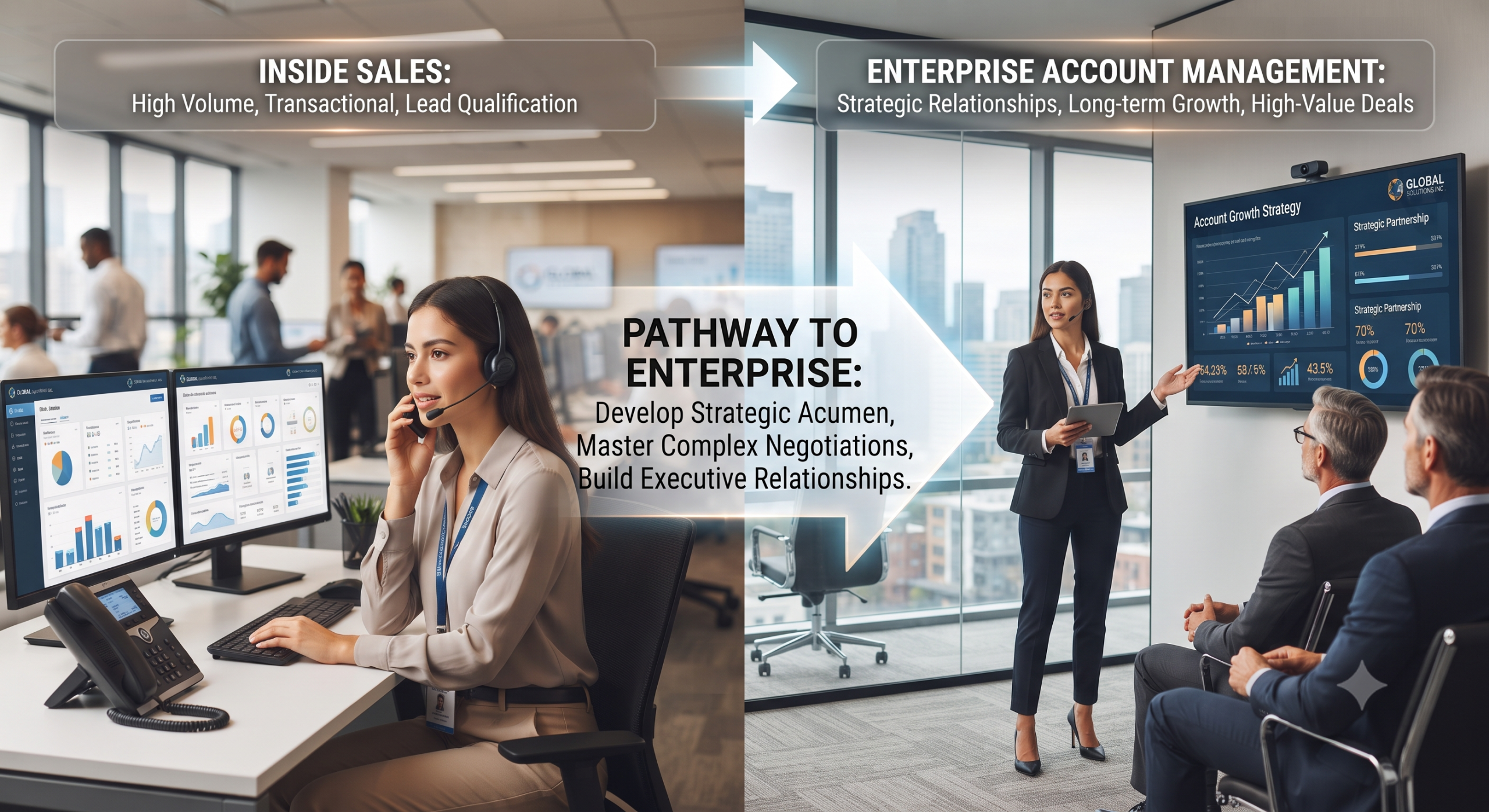
- Inside Sales Representative
For many professionals, account management or expansion-focused roles may provide a natural connection between customer success and sales because they involve existing customer relationships.
However, professionals who want to develop strong new-business experience may consider business development or sales development roles.
Before applying, compare job descriptions carefully. Look for positions where your customer knowledge, communication skills, and industry experience provide a clear advantage.
Strengthen Your Resume and LinkedIn Profile
Your resume should present your customer success background in a way that highlights commercial and sales-related skills. Avoid describing every responsibility in purely service-oriented language.
For example, instead of writing that you “managed customer accounts,” explain the business impact of your account management work.
Focus on achievements involving:
- Revenue retention
- Account expansion
- Customer growth
- Renewals
- Product adoption
- Pipeline contribution
- Stakeholder management
- Business reviews
Your LinkedIn profile should follow the same approach. Update your headline and summary to reflect your interest in sales while remaining accurate about your current experience.
Furthermore, include relevant sales skills and tools that you have actually used or learned. This makes your profile more aligned with sales opportunities without relying on excessive keyword stuffing.
Gain Sales Experience Through Projects and Remote Work
Practical experience can make the transition easier. If possible, ask your current organization for opportunities to collaborate with the sales team.
You might participate in:
- Customer expansion discussions
- Renewal strategy meetings
- Sales handoffs
- Product demonstrations
- Account planning
- Customer case studies
- Sales enablement projects
These experiences can help you understand the commercial side of customer relationships.
Moreover, remote and hybrid environments can provide opportunities to collaborate with sales teams across different markets. Virtual meetings, CRM systems, digital presentations, and asynchronous communication are increasingly important in modern sales organizations.
A best job tool, which is a global job platform, can also help you explore sales opportunities across different companies and locations.
As you gain experience, document measurable outcomes so that you can use them during interviews.
Prepare for Sales Interviews and Long-Term Growth
Finally, prepare specifically for sales interviews. Customer success professionals may be asked why they want to move into sales and how their previous experience can contribute to revenue generation.
Prepare clear examples that demonstrate:
- How you handled difficult customers
- How you identified customer needs
- How you influenced buying decisions
- How you handled objections
- How you identified expansion opportunities
- How you managed competing priorities
- How you worked with sales teams
Practice explaining your transition as a logical career progression rather than a complete career change.
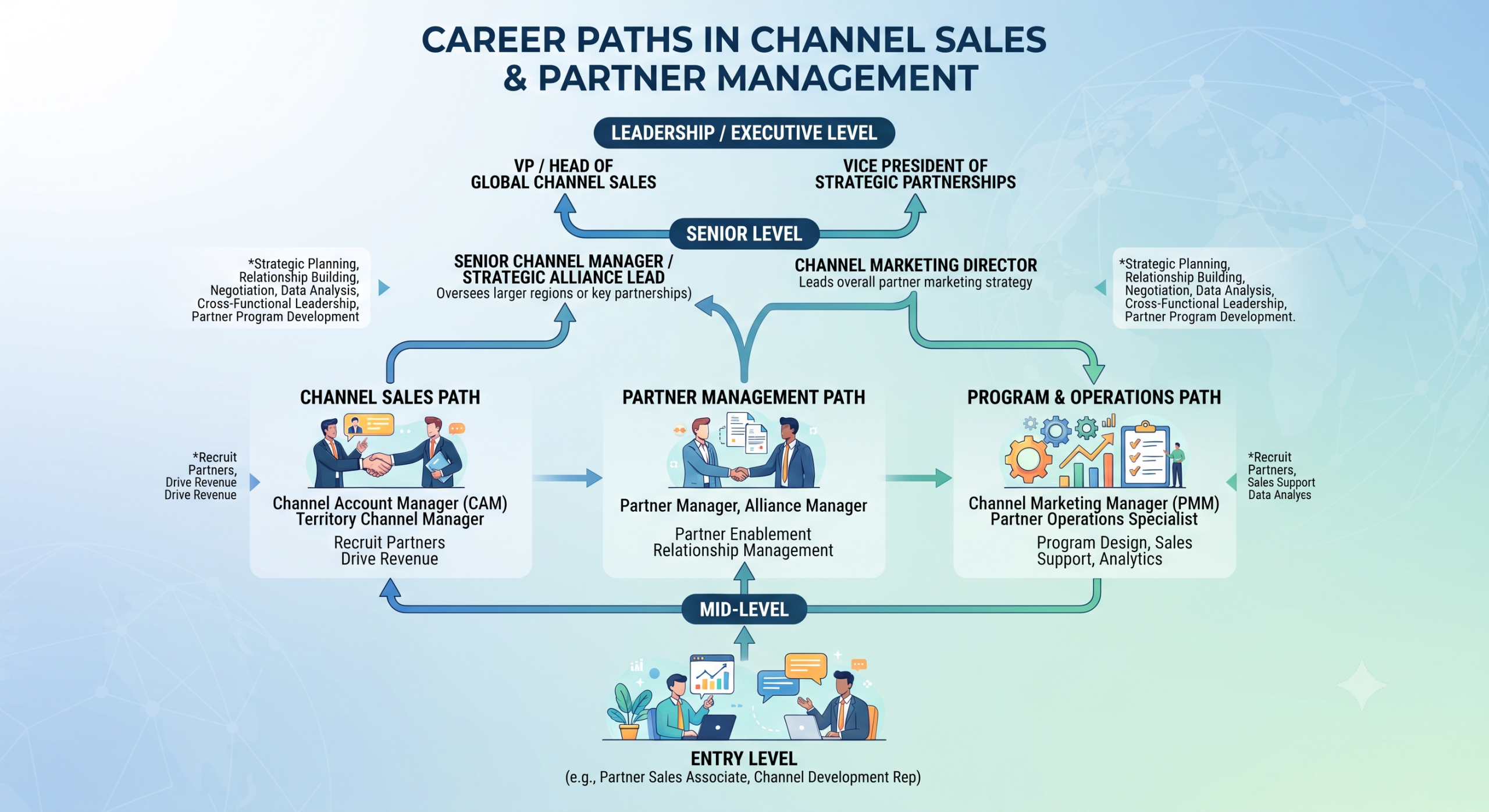
In addition, think about your long-term goals. Sales can lead to positions such as Senior Account Executive, Enterprise Account Executive, Sales Manager, or Sales Director.
A best job tool can help you research relevant openings and identify roles that match your experience, industry knowledge, and career goals.
Conclusion
Transitioning from customer success to sales can build on skills you already have while introducing new commercial responsibilities. Customer relationships, communication, product knowledge, and problem-solving are valuable foundations for sales careers.
However, you should also develop prospecting, negotiation, pipeline management, and closing skills. Most importantly, demonstrate measurable business impact rather than simply listing customer success responsibilities.
By choosing suitable sales roles, strengthening your resume, gaining practical sales exposure, and preparing for sales-focused interviews, you can create a clearer path into the field. Furthermore, remote and global opportunities can expand your options as you develop your sales experience.
With consistent skill development and a focused job search, customer success experience can become a strong foundation for long-term growth in sales.


Leave a Reply