Introduction
Finding a part-time job while studying in the United States can help students manage everyday expenses, develop professional skills, and gain valuable work experience. Whether you are attending college, university, or a graduate program, the right job can provide financial support while preparing you for future career opportunities.
Students can explore a wide range of options, including campus employment, tutoring, retail, food service, paid internships, and freelance work. However, the best choice depends on your class schedule, skills, financial goals, and employment eligibility.
A good part-time job should offer reasonable scheduling flexibility without interfering with academic performance. Ideally, it should also help you develop transferable skills such as communication, teamwork, problem-solving, time management, and customer service.
This guide explores some of the best part-time jobs in the USA for students, explains their benefits, and shares practical tips for finding suitable opportunities.
On-Campus Jobs for College Students
On-campus employment is often a practical starting point for students because many positions are connected to university facilities and student services. These jobs may also offer schedules that can accommodate classes and examinations.
Common opportunities include:
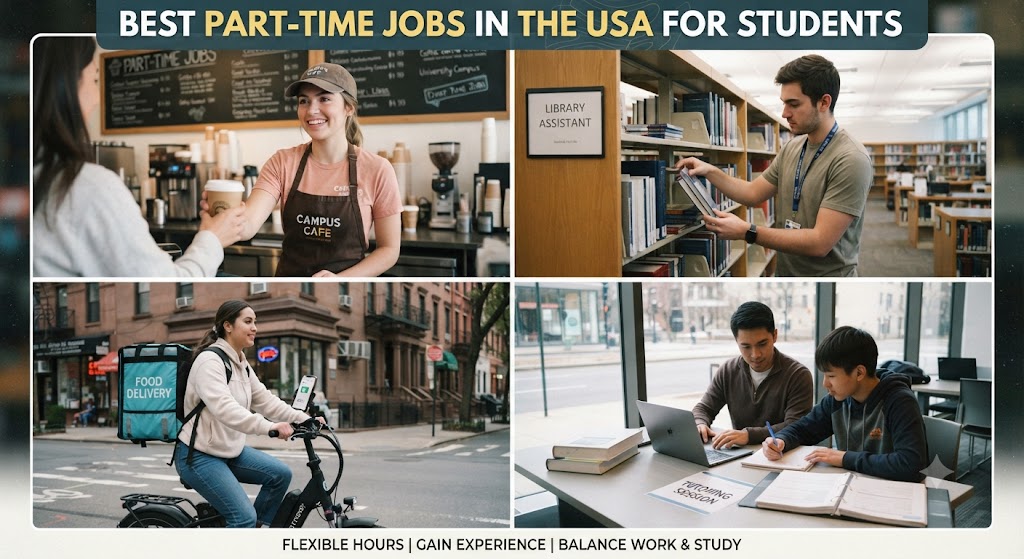
- Library assistant: Help organise books, assist visitors, maintain records, and support daily library operations.
- Campus bookstore employee: Assist customers, manage merchandise, organise supplies, and support textbook sales.
- Dining hall worker: Help prepare or serve food, maintain cleanliness, and support cafeteria operations.
- Administrative assistant: Organise documents, respond to enquiries, schedule appointments, and perform basic office tasks.
- Research assistant: Support faculty projects by collecting information, reviewing literature, organising data, or assisting with experiments.
- Teaching assistant: Help instructors prepare course materials, organise classroom activities, or support students where the position and qualifications permit.
These roles can help students gain practical experience while building relationships with faculty members and university staff.
Research and teaching positions may be particularly valuable for students who want to pursue careers in academia, science, technology, or specialised professional fields.
Before applying, check your university’s career services website, student employment portal, and departmental noticeboards. Some positions have limited openings, so applying early can improve your chances of finding a suitable role.
Retail and Customer Service Jobs
Retail and customer service jobs are popular options for students because many employers offer evening, weekend, and seasonal shifts.
Typical positions include sales associate, cashier, customer service representative, stockroom assistant, and store associate.
These jobs can help students develop communication, organisation, teamwork, and problem-solving skills. They may also provide experience handling transactions, answering questions, resolving customer concerns, and working toward performance targets.
Retail work can be especially suitable for students who enjoy interacting with people and prefer an active working environment.
Customer service positions may involve answering calls, responding to emails, assisting customers through live chat, or resolving basic account and order issues. Some employers offer remote customer service roles, although applicants should check the location requirements and whether the schedule fits their studies.
When applying, highlight any experience involving communication, volunteering, school activities, teamwork, or handling responsibilities. Previous paid employment is not always necessary for entry-level positions.
During interviews, demonstrate reliability, patience, professionalism, and the ability to manage challenging situations. Employers often value these qualities because customer-facing roles require consistent service and effective communication.
Tutoring and Academic Support Jobs
Tutoring can be an excellent part-time option for students who perform well in particular subjects. It allows them to use their existing knowledge while helping other learners improve their academic performance.
Popular tutoring areas include mathematics, English, chemistry, biology, physics, computer science, and foreign languages. Students may also find opportunities to help younger learners with homework, examination preparation, and study organisation.
Tutoring can take place in person, through educational centres, or online. However, online opportunities may have location, platform, and eligibility requirements.
Students can explore opportunities through university tutoring programmes, local learning centres, community networks, and reputable tutoring platforms.
To become a stronger candidate:
- Identify subjects in which you have demonstrable knowledge.
- Prepare a simple explanation of the topics you can teach.
- Practise explaining difficult concepts in clear, accessible language.
- Set realistic availability around your classes and examinations.
- Request references when appropriate and follow professional safeguarding requirements when working with younger learners.
Tutoring may also help students develop presentation, mentoring, and leadership skills. These abilities can be useful in education, consulting, management, and other professional careers.
Food Service and Hospitality Jobs
Restaurants, cafés, hotels, and catering businesses frequently hire part-time employees. These roles may suit students who can work evenings, weekends, holidays, or selected shifts between classes.
Common positions include barista, server, host, kitchen assistant, food preparation worker, and hotel front-desk assistant.
Food service jobs can help students build teamwork, customer service, time management, and communication skills. Employees often need to respond quickly to requests, coordinate with colleagues, and maintain service standards during busy periods.
Some hospitality positions may include tips in addition to hourly wages. However, earnings vary depending on the employer, location, working hours, customer volume, and applicable rules. Students should not assume that every position offers the same earning potential.
Before accepting a role, ask about the expected schedule, training, break arrangements, transport requirements, and payment structure.
It is also important to consider the physical demands of the position. Jobs involving long periods of standing, late-night shifts, or busy weekend schedules may be difficult to combine with demanding academic programmes.
Choose an employer that communicates expectations clearly and provides a schedule you can realistically maintain throughout the semester.
Online and Freelance Jobs for Students
Online work can appeal to students who want to develop digital skills or complete assignments from a flexible location. Depending on their abilities and employment eligibility, students may explore freelance writing, graphic design, video editing, website development, translation, or digital marketing support.
Examples of potential opportunities include:
- Content writing: Create articles, website content, product descriptions, or newsletters.
- Graphic design: Produce presentations, social media graphics, posters, or simple marketing materials.
- Video editing: Edit short videos, educational content, and promotional clips.
- Web development: Build or maintain websites and assist with basic programming tasks.
- Virtual assistance: Help with scheduling, document organisation, research, or administrative support.
- Digital marketing: Assist with content calendars, keyword research, social media management, or campaign reporting.
Students can begin by building a small portfolio that demonstrates their skills. Academic projects, personal websites, sample designs, and approved volunteer projects can help show prospective clients what they can deliver.
Freelancing offers flexibility, but it does not guarantee a steady income. Finding clients, negotiating project terms, managing deadlines, and handling payments all require effort.
Students should also be careful about fraudulent online job offers. Avoid opportunities that demand upfront recruitment fees, request sensitive financial information unnecessarily, or promise unusually high earnings for minimal work.
Importantly, flexible or remote work is not automatically permitted for every student. International students must check the employment rules that apply to their immigration status before accepting online or freelance assignments.
Paid Internships and Career-Related Part-Time Work
Students who want to strengthen their future employment prospects should consider part-time internships and roles related to their academic fields.
Examples include marketing internships, software development placements, accounting support, laboratory assistance, business research, and entry-level administrative work within relevant industries.
Career-related employment can provide several advantages. Students may gain practical experience, develop industry-specific skills, build professional relationships, and learn how organisations operate.
A marketing student, for example, might assist with content creation and campaign reporting. A computer science student could explore an eligible software development internship. A finance student might seek a suitable accounting or financial operations position.
When evaluating an internship, consider the quality of the learning experience as well as compensation and scheduling. Look for clear responsibilities, appropriate supervision, realistic expectations, and opportunities to develop useful skills.
Students can search through university career centres, employer career pages, professional networks, and established job platforms. A global job platform can also help candidates explore opportunities across companies and industries, although each vacancy should be checked for eligibility, location, and schedule requirements.
Government programmes may offer additional student opportunities. For example, eligible candidates can review student internships through USAJOBS and participating federal agencies. Eligibility conditions differ by programme and announcement.
How to Find the Right Part-Time Job in the USA
Finding a suitable job requires a focused search, a clear resume, and an understanding of your available time.
Start by deciding how many hours you can realistically work each week. Include time for lectures, assignments, travel, meals, sleep, and examination preparation. A job that consistently interferes with these priorities may not be sustainable.
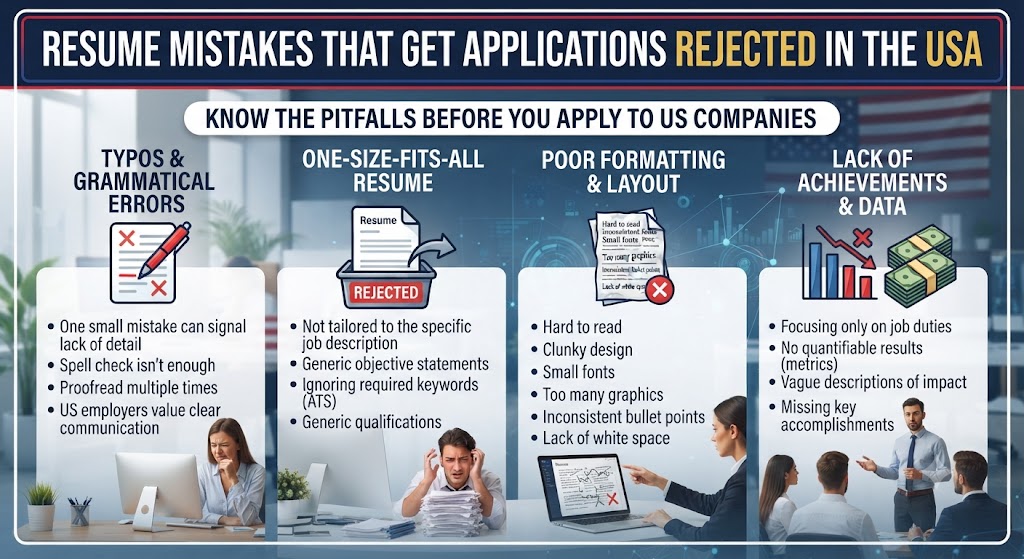
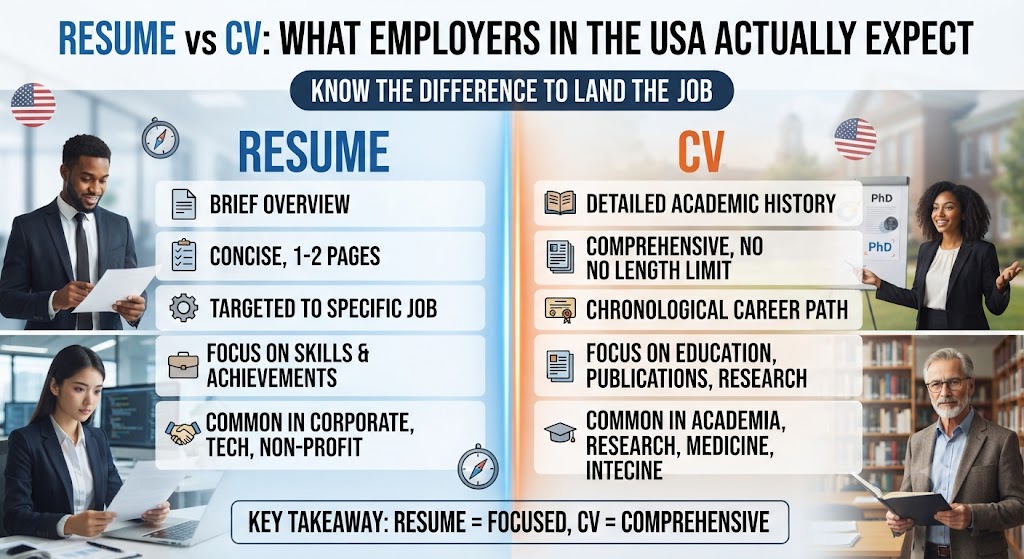
Next, prepare a concise resume that highlights relevant skills, education, projects, volunteering, and previous experience. Tailor it to each position instead of sending the same version to every employer.
Use several job-search methods, including:
- University career centres and student employment offices.
- Employer career websites.
- Reputable online job platforms.
- Professional networking events and student organisations.
- Referrals from faculty members, classmates, and former colleagues.
- Local employers that advertise part-time and seasonal vacancies.
Keep a record of the jobs you apply for, application dates, employer contacts, and interview schedules. Following up professionally can help you stay organised.
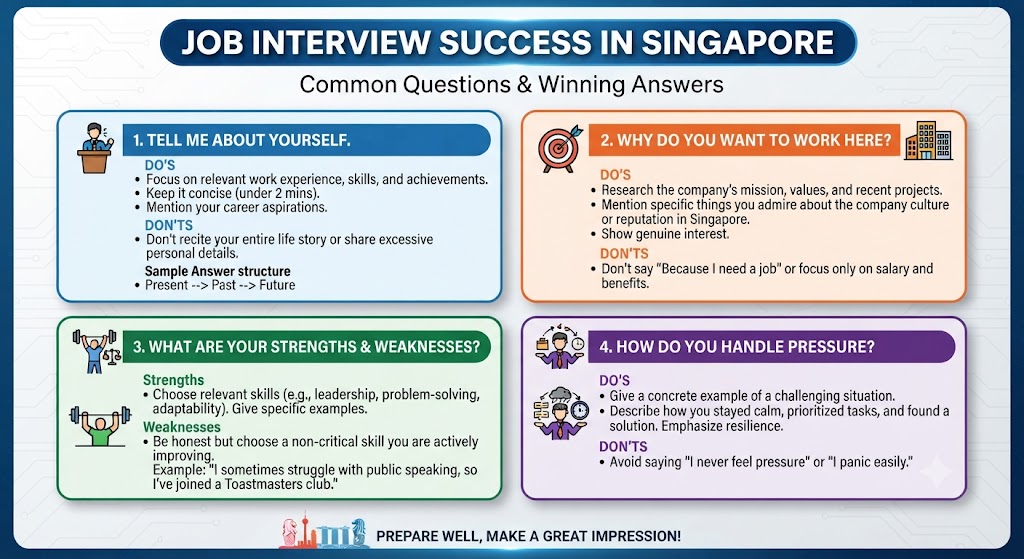
During interviews, explain how you will balance work and study. Give examples of your reliability, organisation, and ability to complete tasks on time.
Compare opportunities based on pay, travel time, scheduling flexibility, working conditions, skill development, and career relevance rather than choosing solely by hourly wage.
Work Authorisation and Employment Rules for International Students
International students need to understand employment restrictions before accepting any position in the United States. Permission to study does not automatically mean permission to work in every job.
For many students in F-1 status, qualifying on-campus employment is generally permitted up to 20 hours per week while school is in session, with different provisions during eligible school breaks. Off-campus employment is subject to separate requirements and may require specific authorisation.
Curricular Practical Training (CPT) and Optional Practical Training (OPT) are distinct options with their own eligibility and approval rules. Students should not assume that an ordinary off-campus job, freelance assignment, or online position is permitted simply because it relates to their skills.
Before beginning employment, consult your school’s Designated School Official (DSO) and review the applicable guidance from U.S. immigration authorities. Do not start work that requires authorisation until the required approval has been obtained.
Domestic students should also check relevant employment requirements, including age restrictions where applicable, workplace policies, and federal, state, and local wage rules.
Understanding these requirements before accepting an offer can help students avoid unnecessary problems while protecting their academic progress and future career plans.
Conclusion
The best part-time jobs in the USA for students combine manageable schedules, fair compensation, and opportunities to develop useful skills. On-campus employment, retail, tutoring, hospitality, online work, and career-related internships can all be worthwhile options, depending on a student’s abilities and circumstances.
Before choosing a role, assess your academic commitments, financial needs, professional goals, and employment eligibility. Build a focused resume, use reliable job-search resources, and prioritise employers that communicate their expectations clearly.
Finding the right opportunity can become easier when you use the best job tool as part of a broader job-search strategy. Explore vacancies through a global job platform, compare requirements carefully, and apply for positions that fit your schedule and career interests. With consistent effort and careful planning, a part-time job can support both your education and your long-term professional development.



Leave a Reply