Introduction
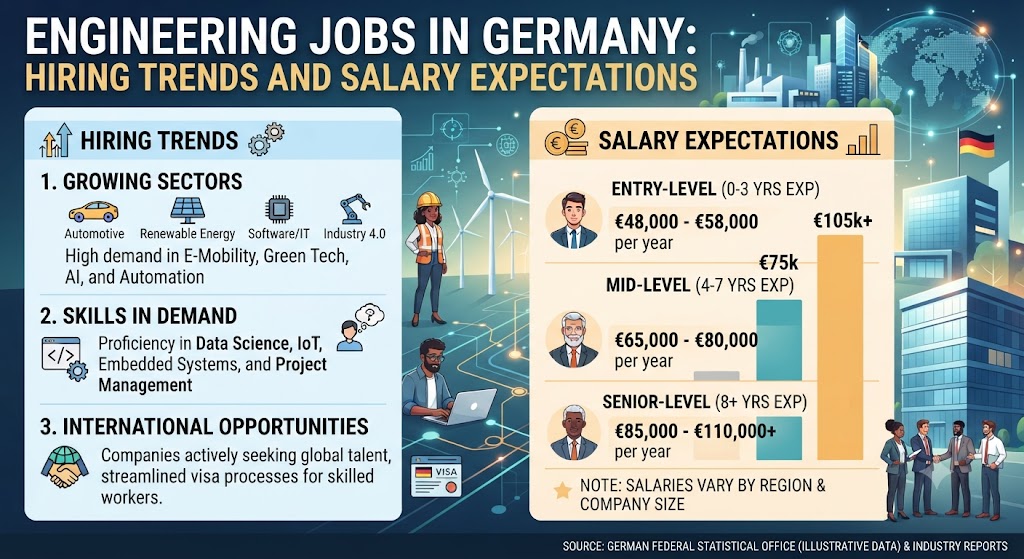
Germany has a strong reputation for engineering, manufacturing, automotive technology, and industrial innovation. For qualified engineers seeking international career opportunities, the country offers roles across mechanical engineering, electrical engineering, civil infrastructure, automation, software development, renewable energy, and research.
However, the engineering job market is not equally strong across every specialisation. Economic uncertainty and changes in the automotive and manufacturing industries have influenced recruitment, while employers continue to seek professionals with expertise in areas such as automation, infrastructure, energy transition, and advanced technologies.
According to the German government’s official skilled-worker portal, approximately 76,000 engineering vacancies remained unfilled in Germany in 2025. The same source highlights opportunities in automation, construction planning, electromobility, renewable energy, and artificial intelligence. These figures indicate continuing demand, although individual opportunities depend on qualifications, experience, and location.
Understanding hiring trends, salary expectations, and employer requirements can help candidates plan a more effective job search. This guide explores the engineering opportunities available in Germany and explains how professionals can improve their chances of securing suitable positions.
Current Hiring Trends in Germany’s Engineering Sector
Germany’s engineering employment market is experiencing both opportunities and challenges. Some employers are managing cost pressures and restructuring, while others continue recruiting professionals for technical projects, infrastructure development, and industrial transformation.
The 2026 DEKRA labour market report found that engineering and IT job advertisements had recovered from their previous year’s lows in its sample of 9,301 vacancies. Nevertheless, the overall market remains uneven, making targeted applications particularly important.
Several developments are influencing recruitment:
- Industrial automation: Manufacturers are investing in automated production, robotics, and systems that improve operational efficiency.
- Electromobility: Automotive companies and suppliers need expertise in electric vehicles, battery systems, power electronics, and vehicle software.
- Renewable energy: Energy transition projects create opportunities in electrical systems, power generation, grid infrastructure, and energy efficiency.
- Construction and infrastructure: Civil engineers, structural specialists, and building-services engineers contribute to transport, construction, and infrastructure projects.
- Research and development: Companies continue to seek engineers who can develop products, test new technologies, and improve existing systems.
- Digital engineering: Simulation, embedded systems, industrial software, and data-driven production are becoming increasingly relevant across technical industries.
These trends do not mean every engineering graduate will find a job immediately. Employers may require specialised experience, professional German, or knowledge of particular tools and standards.
Candidates should therefore identify which industries are actively recruiting for their specific skills instead of relying on general claims about engineering shortages.
Engineering Specialisations With Strong Career Potential
Germany offers engineering opportunities across established industries and emerging technologies. Choosing a specialisation that matches your qualifications and experience can help you focus your applications more effectively.
Mechanical engineering
Mechanical engineers work in product design, manufacturing, machinery, production planning, testing, and maintenance. Employers may value experience with CAD software, simulation tools, quality systems, and manufacturing processes.
Electrical and electronics engineering
This field includes power systems, electrical equipment, industrial controls, electronics, and energy infrastructure. Knowledge of electrical design, testing, automation, and safety requirements can strengthen a candidate’s profile.
Automotive and mobility engineering
The transition towards electric vehicles and software-defined mobility is changing the skills required in automotive engineering. Relevant areas include battery technology, embedded systems, vehicle testing, power electronics, and systems integration.
Civil and structural engineering
Infrastructure projects, buildings, transport systems, and urban development create opportunities for civil and structural engineers. Employers may seek experience with structural calculations, construction planning, project coordination, and German building regulations.
Automation and robotics
Automation specialists develop, integrate, and maintain systems used in manufacturing and industrial operations. Skills involving PLC programming, robotics, control systems, and industrial networks can be valuable.
Renewable energy and environmental engineering
Professionals may work on wind and solar projects, energy storage, grid modernisation, environmental compliance, and energy-efficient systems. Technical design and project management skills can support career progression.
Software and systems engineering
Engineers with software, embedded systems, simulation, or systems integration expertise can explore roles across automotive, manufacturing, aerospace, and technology companies.
Before choosing a career direction, compare your existing qualifications with the technical requirements in actual job descriptions. A focused specialisation can make your resume more relevant and help you communicate your value to employers.
Salary Expectations for Engineers in Germany
Engineering salaries in Germany vary according to specialisation, experience, industry, qualifications, employer size, and location. Professionals working in advanced technology, research, automotive development, and specialised industrial environments may receive different compensation from those in smaller engineering consultancies or construction-related roles.
As a broad planning guide, the following annual gross salary ranges are indicative estimates rather than guaranteed market rates.
| Engineering role | Early-career estimate | Experienced professional estimate |
|---|---|---|
| Mechanical engineer | €45,000–€55,000 | €60,000–€80,000 |
| Electrical engineer | €45,000–€58,000 | €65,000–€85,000+ |
| Civil engineer | €40,000–€52,000 | €55,000–€75,000 |
| Software engineer | €50,000–€60,000 | €70,000–€100,000+ |
| Automation engineer | €45,000–€58,000 | €65,000–€85,000 |
| Automotive engineer | €48,000–€60,000 | €65,000–€90,000+ |
These figures are indicative market ranges, not official salary bands. Actual offers may fall outside them, particularly for highly specialised roles, senior positions, or employers operating under collective agreements.
For a more reliable comparison, consult the German Federal Employment Agency’s Entgeltatlas. It provides earnings information for specific occupations based on employment data. Compare salaries by job title, experience level, and region wherever the relevant data is available.
When evaluating an offer, remember that advertised salaries are usually gross amounts before income tax and employee social contributions. Your take-home pay will depend on your individual circumstances.
Also consider the full compensation package, including annual bonuses, pension arrangements, paid leave, training opportunities, and any additional payments provided under a collective agreement.
Factors That Influence Engineering Salaries
A job title alone does not determine an engineer’s earning potential. Several factors can influence salary negotiations and long-term career growth.
Professional experience: Engineers with proven experience in complex projects, technical decision-making, and team coordination may qualify for higher-paying roles than candidates entering the profession.
Industry and specialisation: Some employers in automotive development, chemicals, pharmaceuticals, semiconductors, and advanced technology offer higher compensation than smaller engineering consultancies. However, pay varies considerably between organisations.
Location: Major industrial and technology centres, including Munich, Stuttgart, Frankfurt, and parts of southern Germany, may offer competitive salaries. Housing and living costs can also be substantially higher in these areas.
Qualifications: Relevant engineering degrees, specialised certifications, and demonstrable technical expertise can improve your competitiveness. Some regulated activities may require specific recognition or professional permissions.
Employer size and collective agreements: Large employers and companies covered by collective bargaining agreements may offer structured salary grades, additional annual payments, or defined working hours.
Language skills: German proficiency can broaden access to positions involving customers, suppliers, site operations, safety documentation, and local project teams. English may be sufficient for some international engineering teams, but this depends on the employer.
When comparing offers, assess both compensation and career development. A slightly lower starting salary may be worthwhile if the position provides valuable technical training, mentoring, and experience in a growing specialisation.
Skills and Qualifications German Employers Value
Employers generally want evidence that candidates can apply engineering knowledge to real-world problems. Academic qualifications are important, but practical experience and familiarity with relevant tools can help differentiate applicants.
The most useful skills depend on the discipline. Mechanical engineers may need CAD and simulation expertise, while electrical engineers may require knowledge of circuit design, electrical testing, or control systems. Automation professionals may benefit from PLC programming and robotics experience.
Across specialisations, employers may value:
- Technical problem-solving and analytical thinking.
- Project planning, documentation, and quality assurance.
- Knowledge of industry standards and safety requirements.
- Collaboration across technical and non-technical teams.
- Data analysis and relevant digital engineering tools.
- Clear communication and the ability to explain technical decisions.
German language skills can also improve employability. Although some engineering positions operate primarily in English, German is frequently useful for workplace integration, supplier communication, site coordination, and safety procedures.
International applicants should check whether their degree is recognised or comparable for the intended role. The requirements depend on the qualification, occupation, and any applicable regulations.
The official Recognition in Germany portal provides guidance on professional recognition. Candidates should investigate the requirements early, particularly if their intended occupation involves regulated responsibilities.
How to Find Engineering Jobs in Germany
A structured job search can help engineering candidates identify relevant vacancies and avoid spending time on unsuitable applications.
Start by defining your target roles, preferred industries, experience level, and location. Search using both English and German job titles where appropriate. For example, mechanical engineers may search for “Mechanical Engineer” and “Maschinenbauingenieur,” while electrical engineers can explore “Electrical Engineer” and “Elektroingenieur.”
Useful resources include:
- Make it in Germany for official guidance on engineering careers, working in Germany, and immigration routes.
- LinkedIn Jobs for professional vacancies and recruiter networking.
- Stepstone Germany for job listings across technical industries.
- Federal Employment Agency for employment services and labour-market information.
- Company career pages for direct applications to engineering employers.
You can also use a global job platform to explore opportunities across employers, industries, and locations. A best job tool should help you identify relevant vacancies, compare requirements, and organise applications rather than simply maximise the number of results.
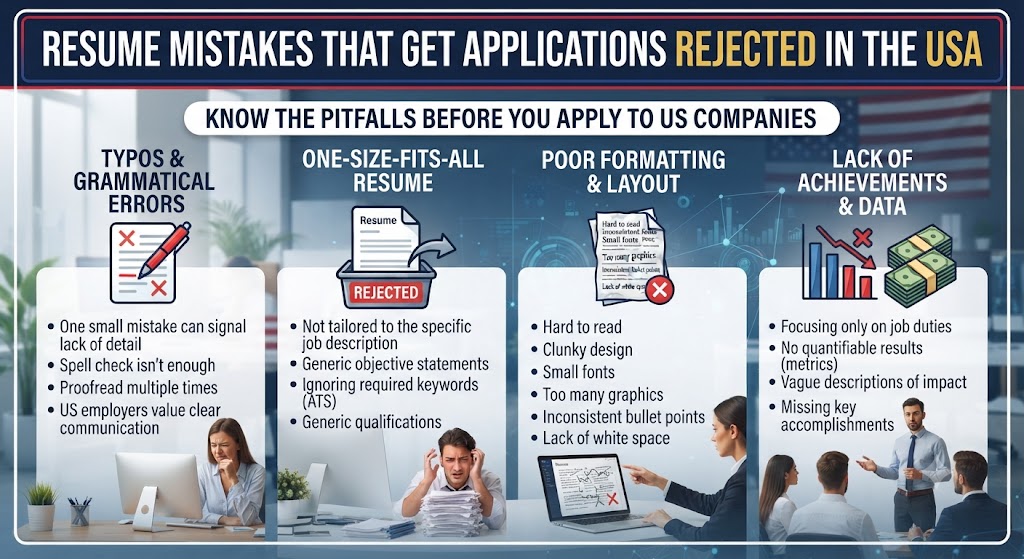
Tailor your resume to each position. Highlight relevant technical skills, project achievements, software expertise, and measurable contributions. If you have international experience, explain how your work relates to the requirements of the German employer.
For international applicants, check work authorisation requirements before accepting a position. Germany offers several routes for qualified professionals, but eligibility depends on factors such as qualifications, employment offers, salary thresholds, and residence rules. Review the current conditions on the official government portal before making relocation decisions.
Conclusion
Engineering jobs in Germany offer career opportunities across manufacturing, automation, automotive technology, infrastructure, renewable energy, and research. However, recruitment conditions vary by specialisation, so candidates should focus on the skills and industries that match their experience rather than assuming demand is uniform across the sector.
Understanding salary expectations, improving technical and language skills, and researching employers can help engineers make informed career decisions. A strong resume should demonstrate practical achievements and clearly connect your expertise to the employer’s requirements.
Start by identifying suitable roles, comparing current vacancies, and preparing tailored applications. Use the best job tool as part of a wider search strategy to discover opportunities through a global job platform, while verifying vacancy details directly with employers. With realistic salary expectations and a focused approach, engineering professionals can position themselves more effectively for career opportunities in Germany.


Leave a Reply