Introduction: Job in Bangalore
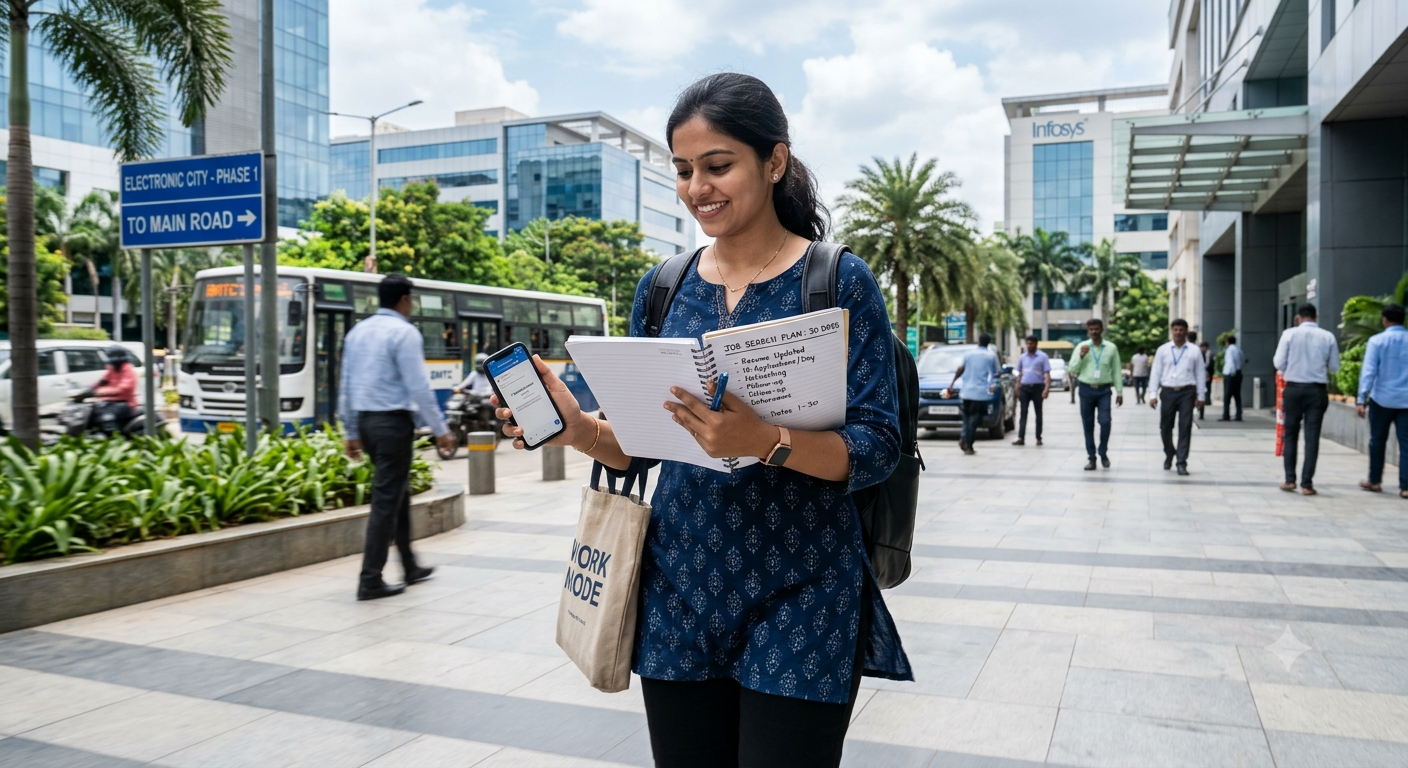
Bangalore or Bengaluru is one of the most prominent cities in India in terms of employment opportunities. From IT, healthcare, to finance and education, there is always work in demand. Graduates, experienced professionals, and job searchers from all backgrounds can consider career options in Bangalore. People wishing to find a job in Bangalore in 30 days will need to plan their steps, update their resume, and stay persistent in the search process.
Having daily goals and targets will help to find relevant vacancies, network with recruiters, and prepare for job interviews. A person wishing to look for job in Bangladesh can follow similar job search strategies and procedures in order to have good chances of success.
This article will explain how to prepare and take job searching steps for 30 days to secure employment.
How to Find a Job in Bangalore in 30 Days?
1. Update Your Resume
The resume is usually the first point of contact between the recruiter and the job-seeker. Before applying for vacancies, it is paramount to update the resume in accordance to the qualifications, skills, and experiences. Using relevant keywords from the job description will make the resume more compatible with applicant tracking systems.
Those wishing to apply for job in Bangladesh, while also considering vacancies in Bangalore, should update their resume accordingly when applying for different positions since the requirements may vary.
2. Your Target Industries
Avoid getting lost in the sea of vacancies by selecting two or three industries that are relevant to the qualifications and career goals.
In Bangalore, some of the industries that offer employment opportunities include:
- Information technology
- Healthcare
- Banking and finance
- Digital marketing
- Sales
- Education
It is important to find out the requirements for each industry to ensure that the application process is not wasted on irrelevant job vacancies. Those considering a job in Bangladesh should look into their respective industries to understand the requirements.
3. Job Portals
It is important to register with all relevant job portals. Completing the profile and updating the resume with the latest experiences and skills will increase the chances of being considered by recruiters. Setting job alerts for preferred positions will also make the process easier since the job-seeker only needs to monitor the progress of the applications.
4. Daily Application Plan
The second week in the 30-day job hunt should be used to apply for jobs. A job-seeker should set aside a realistic number of applications per day depending on availability of relevant vacancies. The applications should also be personalized in line with the requirements of the selected job positions.
Keeping a spreadsheet with the names of the companies, job positions applied for, dates of applications, and other important information will make the process of monitoring the progress of each application easier. The spreadsheet should be used often to update the status of each application. Those wishing to apply for job in Bangladesh should also keep a spreadsheet to track the progress of the applications.
5. Networking
In addition to applying for jobs online, one should consider building professional connections. This will enable the job-seeker to learn of vacancies that may not be advertised on job portals.
It is important to connect to recruiters, hiring managers, and professionals working in similar industries through social media platforms such as LinkedIn. Those interested in a career in healthcare in Bangalore, for instance, can use LinkedIn to connect to recruiters in the healthcare sector.
One can send connection requests to recruiters, including personal introductions, and inquire about job vacancies. It is also important to engage with relevant groups, including recruiters, to gain more information about the job market. Applicants for job in Bangladesh can also benefit from connecting to local recruiters and professionals in their respective industries.
6. Prepare Interview Questions
By the third week, some recruiters may have contacted the job-seeker for interviews. It is important to prepare for the interviews by researching about the company and practicing responses to common interview questions.
The questions may include:
- Tell me about yourself
- Why do you want to join our company?
- What are your strengths and weaknesses?
- Why should we hire you?
- What are your salary expectations?
Before the interview, it is important to learn more about the company in terms of services and products, work environment, and other relevant aspects. The job-seeker should also be able to highlight their strengths and abilities in relation to the requirements of the selected job position. Those applying for job in Bangladesh should prepare accordingly for the interview process in the respective company.
7. Relevant Skills
Job-seekers should spend some of their free time studying and gaining more skills in their respective fields. For instance, those wishing to pursue a career in finance may focus on acquiring new skills in Excel. With the help of online resources, it is possible to gain new skills and complete relevant projects. The job-seeker can then use the skills and experience gained to update their resume and impress recruiters during interviews.
Although experience is important, freshers can highlight their practical experience and those with previous work experience should be keen to highlight their achievements and new skills. Those considering job in Bangladesh can also make the most of their free time to gain new skills and practical experience.
8. Follow Up
During the last week, a job-seeker should use the spreadsheet created earlier in the process to monitor the status of each application. Where no response has been received from a particular company, the job-seeker should send a polite reminder email or message only if the company is open to following-up applications.
Those who are rejected from a company should use the feedback received to improve on their applications. A job-seeker should always be positive and optimistic about the job search process. Anyone wishing to apply for job in Bangladesh should also be wary of the mannerism of engaging with recruiters.
9. Documents and Salary Expectations
It is important to keep copies of all important documents, including resume, academic transcripts, identification, and experience letters. During the recruitment process, the job-seeker may be asked to provide any of these documents. It is also important to research the salary expectations for the selected job position and set realistic salary expectations.
While it is tempting to jump at the opportunity for a high salary, the job-seeker should also take into account the cost of living in Bangalore. Comparing salaries in relation to accommodation, food, and other living costs is a safer way to determine salary expectations. The job-seeker should also consider other benefits and opportunities for advancement to make an informed decision. Anyone considering job in Bangladesh should do the same in relation to local living costs.
Conclusion: Job in Bangalore
Looking for job opportunities takes time and patience. Using a daily 30 day job hunt plan will help the job-seeker to update their resumes, apply for relevant job vacancies, gain new skills, and prepare for interviews. Although the 30-day job search strategy cannot guarantee success, it lays a solid foundation for the job search process.
For anyone wishing to find a job in Bangalore or job in Bangladesh, following a 30-day plan will increase the chances of landing on the desired job.
Ready to boost your career in Saudi Arabia? Earn the best certification for your industry and use the Best Job Tools to find relevant vacancies, connect with employers, and take the next step toward professional success.



Leave a Reply