
In today’s competitive job market, many professionals begin their careers as generalists, taking on diverse responsibilities across multiple functions. This broad experience builds adaptability and provides a solid understanding of business operations. However, as industries become more specialized, employers increasingly Generalist seek professionals with deep expertise in specific domains.
Whether you work in marketing, software development, finance, human resources, operations, or customer success, transitioning from a generalist role to a specialist track can unlock higher salaries, stronger career growth, and greater job security. The transition requires more than simply choosing a niche—it demands focused learning, practical experience, strategic networking, and a clear professional brand.
This guide explains how to successfully move from being a generalist to becoming a recognized specialist while preparing for long-term career success in today’s evolving workplace.
Why Companies Value Specialists
Generalists are essential because they understand multiple aspects of a business, collaborate across teams, and adapt quickly to changing priorities. However, organizations often rely on specialists when Generalist solving complex technical or strategic challenges.
Specialists bring:
- Advanced technical knowledge
- Deep industry expertise
- Faster problem resolution
- Higher-quality decision-making
- Stronger innovation within their field
- Greater credibility with clients and stakeholders
As businesses adopt emerging technologies such as artificial intelligence, cloud computing, cybersecurity, automation, and advanced analytics, the demand for professionals with specialized knowledge continues to grow.
Identify the Right Specialization for Your Career Goals
Choosing a specialization should be based on both your interests and market demand.
Ask yourself:
- Which tasks energize me the most?
- What projects have I consistently performed well on?
- Which skills do colleagues frequently seek my help with?
- Which industries are experiencing long-term growth?
- What type of work do I want to be doing five years from now?
Popular specialization paths include:
Technology
- Cloud Engineering
- Cybersecurity
- Artificial Intelligence
- DevOps
- Software Architecture
- Data Engineering
Business
- Product Management
- Business Analysis
- Financial Planning & Analysis
- Supply Chain Management
- Risk Management
Marketing
- Search Engine Optimization (SEO)
- Performance Marketing
- Content Strategy
- Marketing Automation
- Analytics
Selecting a specialization that aligns with your strengths and future industry trends increases your long-term career prospects.
Assess Your Current Skills and Identify Gaps
Before pursuing a specialist role, evaluate your existing capabilities.
Create a personal skills inventory that includes:
Technical Skills
- Software platforms
- Programming languages
- Data analysis tools
- Marketing technologies
- Financial systems
- Cloud platforms
Professional Skills
- Communication
- Leadership
- Project management
- Collaboration
- Problem-solving
- Stakeholder management
Compare your current abilities with job descriptions for your target role. This helps you identify the specific skills, certifications, and experiences you need to develop.
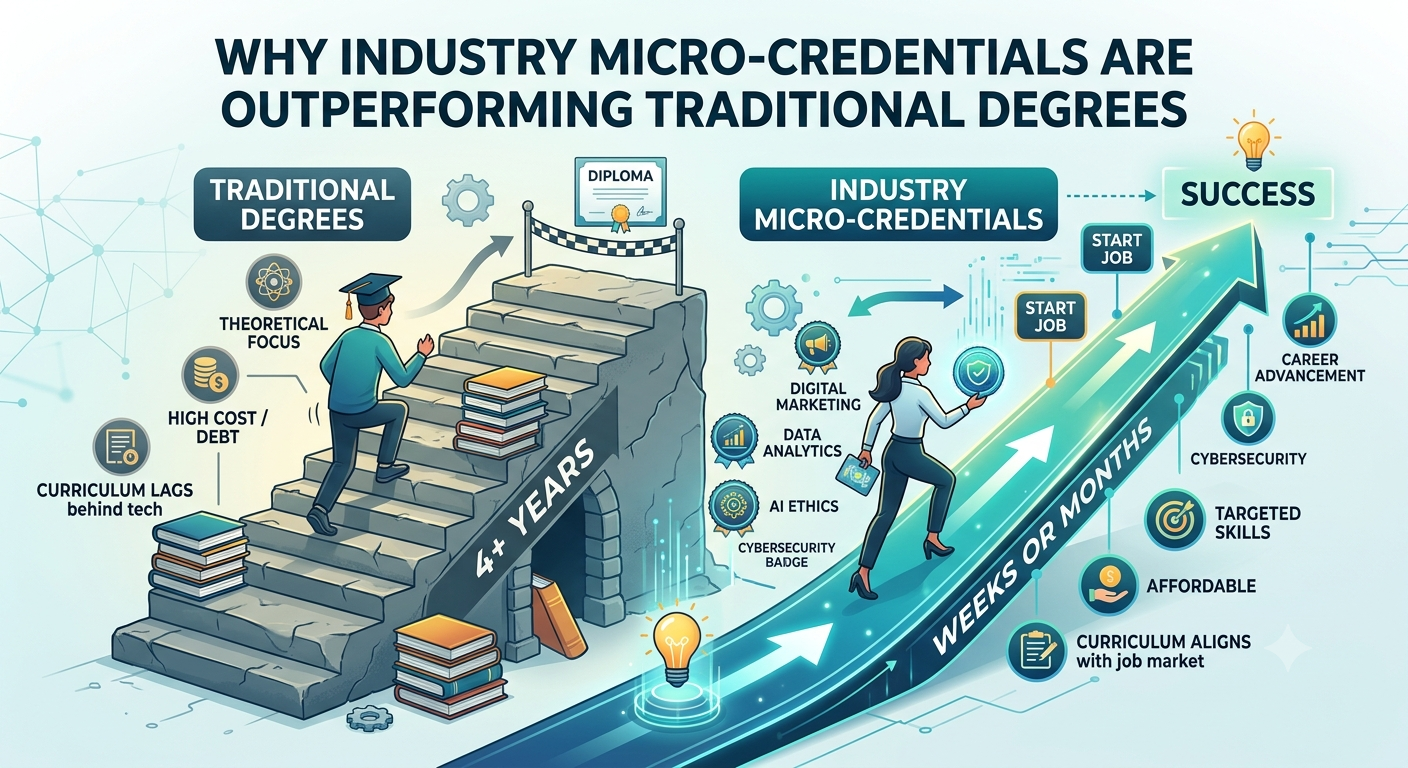
Build Expertise Through Continuous Learning
Specialists are lifelong learners. Rather than acquiring a broad range of unrelated skills, focus on mastering one discipline.
Consider investing in:
- Industry-recognized certifications
- Professional workshops
- Online learning platforms
- Technical documentation
- Research papers
- Industry conferences
- Expert-led webinars
The goal is not to collect certificates but to build practical Generalist knowledge that can be applied in real-world situations.
Gain Hands-On Experience Before Applying
Employers value demonstrated expertise more than theoretical knowledge.
Look for opportunities to gain practical experience by:
- Volunteering for specialized projects within your organization
- Assisting experts on cross-functional teams
- Taking freelance assignments
- Building personal portfolio projects
- Participating in hackathons or competitions
- Contributing to open-source initiatives
For example, if you’re moving into cloud engineering, create cloud-based applications or infrastructure projects. If you’re transitioning into digital marketing, develop SEO campaigns or analytics dashboards that showcase measurable results.
Real-world experience helps bridge the gap between Generalist learning and employment.
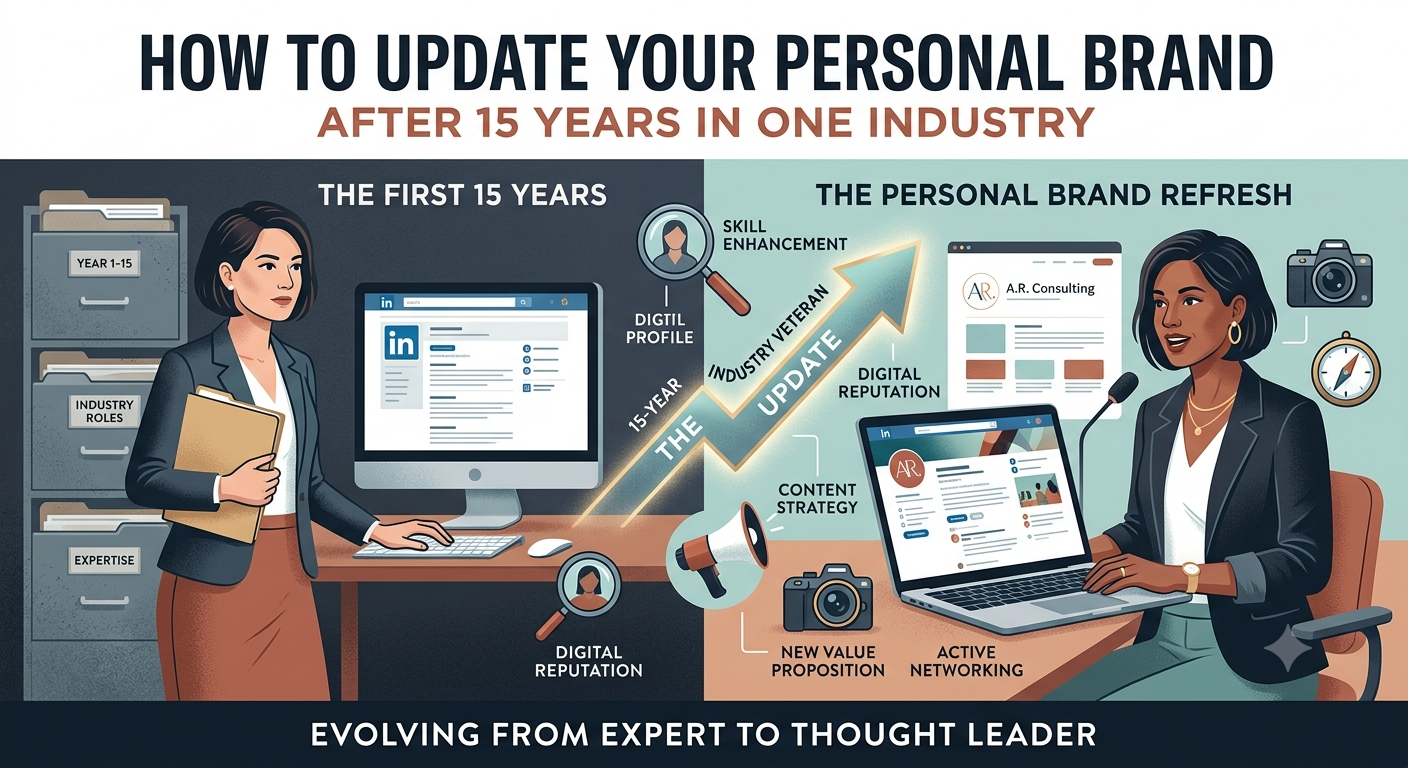
Build a Strong Professional Brand
Your personal brand should reflect your chosen specialization.
Update your resume and LinkedIn profile to emphasize:
- Specialized projects
- Relevant certifications
- Industry-specific keywords
- Measurable achievements
- Technical expertise
- Business outcomes
Instead of listing responsibilities, focus on accomplishments.
For example:
Instead of:
“Supported marketing campaigns.”
Write:
“Developed and optimized SEO strategies that increased organic website traffic by 48% and improved lead conversion rates over six months.”
Publishing articles, sharing industry insights, and participating in professional discussions on LinkedIn can further strengthen your reputation as a specialist.
When searching for opportunities, using a best job tool, a global job platform, can help you discover specialized positions across industries, including remote and international roles.
Develop Complementary Soft Skill
Technical expertise is important, but successful specialists also excel in interpersonal skills.
Focus on improving:
- Presentation skills
- Business communication
- Stakeholder management
- Negotiation
- Decision-making
- Critical thinking
- Team collaboration
Being able to explain complex technical concepts to business stakeholders is especially valuable for senior specialist and leadership positions.
Network with Industry Experts
Networking accelerates career growth and opens doors to opportunities that may never appear on traditional job boards.
Expand your network by:
- Joining professional associations
- Attending industry conferences
- Participating in webinars
- Engaging in LinkedIn discussions
- Connecting with specialists in your field
- Seeking mentorship from experienced professionals
Building meaningful relationships can provide career advice, referrals, and insights into emerging industry trends.
Plan Your Finances During the Transition
Becoming a specialist often requires investing in your professional development.
Before making the transition:
- Build an emergency fund covering three to six months of expenses.
- Budget for certifications, online courses, and conference attendance.
- Compare long-term salary growth instead of focusing only on your first specialist role.
- Explore employer-sponsored training programs.
- Consider freelance projects to supplement your income while gaining experience.
Thoughtful financial planning reduces stress and allows you to focus on long-term career growth.
Prepare for Remote and Global Opportunities
Many specialist roles are now offered as remote or hybrid positions, allowing professionals to work with organizations worldwide.
To prepare:
- Improve virtual communication skills.
- Become proficient with collaboration tools such as Microsoft Teams, Slack, Zoom, Jira, and Asana.
- Create a productive home office.
- Develop strong time-management habits.
- Learn to collaborate across different time zones and multicultural teams.
Remote work expands your access to employers beyond your local market. A best job tool, a global job platform, can help you identify remote specialist roles that align with your skills and career objectives.
Common Mistakes to Avoid
Many professionals delay their transition by making avoidable mistakes.
Avoid:
- Choosing a specialization solely based on salary.
- Pursuing certifications without practical application.
- Failing to tailor your resume for specialist roles.
- Ignoring networking opportunities.
- Applying only for senior positions without relevant experience.
- Neglecting continuous learning.
- Trying to specialize in too many areas simultaneously.
A focused approach is far more effective than attempting to master multiple disciplines at once.
Conclusion
Moving from a generalist role to a specialist track is a strategic investment in your long-term career. While your broad experience provides versatility and business understanding, specialization enables you to develop deep expertise that employers increasingly value. By identifying the right niche, strengthening technical and professional skills, gaining hands-on experience, building a strong personal brand, and expanding your network, you can position yourself as a trusted expert in your chosen field.
Whether you aspire to become a cloud engineer, cybersecurity analyst, SEO strategist, financial analyst, product manager, or another specialist, continuous learning and focused execution are key to success. Leveraging a best job tool, a global job platform, can further simplify your job search by connecting you with remote, hybrid, and international specialist opportunities that match your expertise and career ambitions.
Meta Description: Learn how to move from a generalist role to a specialist track with practical strategies, skill-building tips, remote work insights, financial planning, and career growth advice.



Leave a Reply