
Introduction
The demand for skilled content strategists has grown rapidly as technology companies invest more in content marketing, product education, and customer engagement. Professionals with a journalism background are uniquely positioned to thrive in these roles because they already possess valuable skills such as research, interviewing, storytelling, fact-checking, and audienceJournalism analysis.
However, moving from journalism to content strategy in tech requires more than strong writing. It involves understanding business objectives, user experience, SEO, analytics, product communication, and cross-functional collaboration.
Whether you’re leaving traditional media, freelancing, or digital publishing, this guide explains how to transition successfully while maintaining career stability. You’ll also learn how remote work opportunities, travel testing, productivity improvements, and financial planning can support a smooth career change.
Why Tech Companies Value Journalists
Many journalists underestimate how relevant their experience is to technology companies. The skills developed in newsrooms often align perfectly with modern content strategy roles.
Transferable Skills
- Research complex topics quickly
- Interview subject matter experts
- Verify facts and maintain accuracy
- Write for different audiences
- Meet strict deadlines
- Manage multiple assignments
- Adapt writing style across formats
- Simplify technical information
Technology companies need professionals who can transform complicated products into clear, engaging content for customers.
Common positions include:
- Content Strategist
- Content Marketing Manager
- Editorial Lead
- UX Writer
- Knowledge Base Manager
- Technical Content Specialist
- Product Content Manager
- Developer Content Writer
Many of these positions also offer remote and hybrid work options, making them attractive for professionals seeking greater flexibility.
Understand What Content Strategy Actually Involves
Content strategy extends beyond writing articles. It focuses on creating content that supports business goals while improving the customer experience.
A content strategist typically works on:
- Website architecture
- Editorial planning
- Customer journey mapping
- Product documentation
- SEO optimization
- Content governance
- Brand messaging
- Performance analysis
Instead of asking, “What story should we tell?” content strategists ask:
- What problem is the user trying to solve?
- Which content supports conversions?
- How does content improve retention?
- Which channels generate qualified traffic?
- What metrics define success?
Understanding this strategic mindset is one of the biggest career shifts for journalists entering tech.
Build the Technical Skills Employers Expect
Although journalism provides a strong writing foundation, employers also expect familiarity with digital marketing and technology platforms.
Essential Skills to Learn
SEO
Understand:
- Keyword research
- Search intent
- Internal linking
- Content optimization
- Technical SEO basics
Analytics
Become comfortable using:
- Google Analytics
- Search Console
- Content dashboards
- Conversion reports
Content Management Systems
Examples include:
- WordPress
- Contentful
- Sanity
- HubSpot
Collaboration Tools
Most remote technology teams use:
- Slack
- Jira
- Notion
- Asana
- Trello
- Figma
AI Writing Tools
Learn how AI assists with:
- Research
- Draft generation
- Content briefs
- Topic clustering
Employers increasingly expect strategists to use AI responsibly rather than replace original thinking.
Create a Portfolio That Demonstrates Strategic Thinking
Technology employers hire based on demonstrated impact rather than previous job titles.
Instead of only showcasing published articles, include projects that highlight strategy.
Examples include:
Content Audit
Review a company website and identify:
- Content gaps
- Duplicate pages
- SEO issues
- User experience improvements
Editorial Calendar
Develop a three-month content roadmap aligned with business goals.
Customer Journey Mapping
Show how different pieces of content support users at each buying stage.
Landing Page Optimization
Rewrite pages with:
- Better structure
- Improved messaging
- Stronger calls to action
- SEO improvements
Performance Analysis
Create reports explaining:
- Organic traffic opportunities
- Engagement metrics
- Conversion improvements
A strategic portfolio often outweighs years of journalism experience alone.
Test Remote Work Before Making the Full Career Switch
One advantage of moving into technology is access to global remote opportunities.
Before leaving journalism permanently, consider testing remote work through freelance projects or contract roles.
Benefits include:
- Building technology experience
- Expanding your portfolio
- Understanding distributed teams
- Developing digital collaboration skills
- Increasing income diversity
Many professionals begin with:
- Freelance SaaS writing
- Product documentation
- Newsletter management
- Technical blogging
- Startup content marketing
Using a trusted best job tool, a global job platform, can help identify remote content strategy positions, freelance opportunities, and international technology companies that match your experience.
Testing remote work first reduces uncertainty while strengthening your résumé.
Improve Productivity When Transitioning Careers
Career transitions require balancing learning, networking, and job applications without sacrificing current responsibilities.
Build a Weekly Learning Schedule
Example:
Monday
- SEO learning
Tuesday
- Portfolio development
Wednesday
- Networking
Thursday
- Product research
Friday
- Job applications
Weekend
- Freelance projects
- Resume updates
- Skill practice
Productivity Tips
- Block uninterrupted learning sessions.
- Set weekly application goals.
- Maintain one portfolio project at a time.
- Document everything you learn.
- Follow technology companies in your target industry.
- Join online communities for content professionals.
Consistency produces better results than trying to master everything simultaneously.
Plan Your Finances Before Leaving Journalism
Career transitions often involve temporary income fluctuations.
Financial preparation helps reduce stress and provides greater flexibility when evaluating opportunities.
Build an Emergency Fund
Aim for:
- Three to six months of living expenses
- Additional savings if freelancing initially
Reduce Monthly Expenses
Review:
- Subscriptions
- Unnecessary purchases
- Outstanding debt
- Insurance costs
Diversify Income
Possible sources include:
- Freelance writing
- Editing services
- Newsletter consulting
- Content audits
- Online courses
Invest in Skill Development
Allocate a professional learning budget for:
- SEO certifications
- Analytics courses
- UX writing
- AI tools
- Content strategy workshops
Rather than viewing education as an expense, treat it as an investment in long-term earning potential.
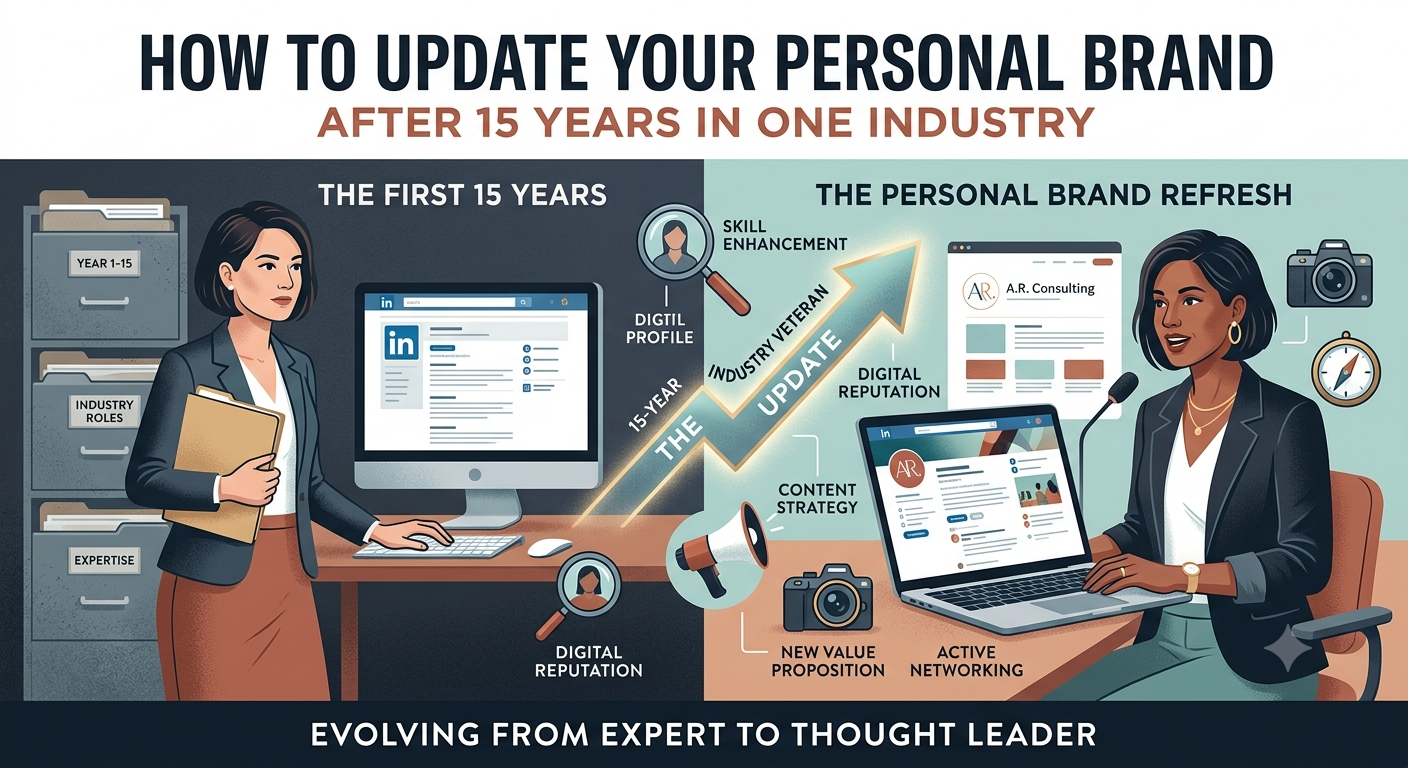
Build a Strong Professional Brand for the Tech Industry
Technology recruiters frequently evaluate candidates through their online presence.
Strengthen your professional brand by:
- Publishing LinkedIn articles
- Sharing content strategy insights
- Writing SEO-focused case studies
- Discussing content performance improvements
- Showcasing portfolio projects
- Participating in technology communities
Networking remains one of the fastest ways to secure interviews.
Connect with:
- Content directors
- Marketing managers
- Product marketers
- UX writers
- Editorial leads
- Startup founders
Personal referrals often lead to opportunities before they are publicly advertised.
When you’re ready to apply, using a reliable best job tool can simplify your search across global technology companies, remote teams, and content strategy roles, making it easier to discover positions that align with your skills and career goals.
Conclusion
Transitioning from journalism to content strategy in tech is a natural progression for professionals who enjoy research, storytelling, and communicating complex ideas clearly. While your writing expertise provides a strong foundation, expanding your knowledge of SEO, analytics, content operations, and business strategy will make you significantly more competitive.
Take a structured approach by building a strategic portfolio, testing remote work opportunities, improving productivity, and preparing financially before making the move. Over time, these efforts will position you for rewarding roles in fast-growing technology companies.
As you begin your search, consider using the best job tool, a global job platform that connects professionals with remote, hybrid, and international opportunities across the technology industry. The right platform, combined with continuous learning and strategic networking, can accelerate your transition and open doors to long-term career growth.


Leave a Reply