
Sales can be a strong foundation for professionals who eventually want to move into general management. A sales role provides direct exposure to customers, revenue, pricing, competition, market trends, and business performance. However, moving from sales into general management requires more than consistently achieving sales targets.Career Guide
General managers are responsible for broader business outcomes. Depending on the organization, they may oversee sales, marketing, operations, finance, customer success, product development, and people management. Therefore, sales professionals who want to make this transition must gradually expand their business knowledge beyond revenue generation.
The transition is most effective when you deliberately use your sales position to develop cross-functional experience, financial understanding, leadership capabilities, and strategic decision-making skills.
Understand What General Management Requires
The first step is understanding the difference between managing sales performance and managing an entire business.
A sales leader may focus primarily on pipeline, revenue, customer acquisition, territory performance, and quota attainment. A general manager must consider how multiple functions work together to produce Career Guide sustainable business results.
Important general management responsibilities can include:
- Revenue and profitability
- Budget management
- Operations
- Customer experience
- Marketing strategy
- Product performance
- Hiring and team development
- Business planning
- Market expansion
- Risk management
- Strategic partnerships
Therefore, do not limit your development to sales techniques.
Start learning how other departments contribute to the company’s overall performance. Understanding these connections will make it easier to demonstrate that you can think beyond your immediate function.
Build Financial and Business Acumen
Financial knowledge is one of the most important skills for a future general manager.
Sales professionals often understand revenue well, but general management requires a broader view of financial performance. You should understand how revenue connects with costs, margins, cash flow, customer acquisition costs, and profitability.
Begin by learning to interpret:
- Income statements
- Budgets
- Gross margin
- Operating expenses
- Cash flow
- Customer acquisition costs
- Customer lifetime value
- Revenue forecasts
- Profitability metrics
Ask your finance team questions about the Career Guide numbers behind your sales targets. For example, understand why certain customers or products have higher margins than others.
You can also volunteer to participate in forecasting and annual planning activities.
The goal is to understand not only whether revenue is growing, but also whether that growth is economically sustainable.
Develop Cross-Functional Experience
A sales professional who only understands sales may face challenges when competing for general management positions.
Therefore, actively look for opportunities to work with other departments.
You might collaborate with:
- Marketing on lead-generation campaigns
- Product teams on customer feedback
- Operations on delivery issues
- Finance on pricing and forecasting
- Customer success on retention
- HR on hiring and team development
- Technology teams on implementation projects
Do not treat these activities as distractions from your sales career. They can become valuable evidence of broader business capability.
For example, if you help redesign the process between sales and customer success, track the results. If the change improves customer onboarding or reduces delays, document the outcome.
These cross-functional projects can later demonstrate your ability to manage business problems rather than only individual sales targets.
Turn Customer Knowledge Into Strategic Insight
Sales professionals have direct access to customers, which can become a significant advantage in general management.
You regularly hear customer concerns, objections, competitor comparisons, pricing feedback, and changing market expectations.
Instead of treating this information only as sales intelligence, organize it into broader business insights.
For example, track:
- Frequently requested product features
- Common customer objections
- Competitor strengths
- Pricing concerns
- Emerging customer segments
- Reasons for lost deals
- Customer retention challenges
Then share meaningful patterns with product, marketing, and leadership teams.
This demonstrates strategic thinking because you are connecting customer information with decisions across the business.
Over time, you can become known not simply as someone who sells the product, but as someone who understands why customers buy, why they leave, and where the market is heading.
Take on Leadership Before You Have the Title
You do not have to wait until you become a sales manager to develop leadership skills.
Start taking ownership of initiatives that involve other people.
For example:
- Mentor new sales representatives.
- Lead sales-training sessions.
- Coordinate cross-functional projects.
- Organize customer-feedback initiatives.
- Improve internal processes.
- Lead regional projects.
- Support new-market research.
- Help develop sales plans.
Focus on influencing people without relying exclusively on formal authority.
General management requires leaders to coordinate people with different priorities. Therefore, learning how to build alignment, communicate expectations, resolve disagreements, and make decisions is extremely valuable.
Keep evidence of your leadership contributions. Document the size of the team or project, your responsibilities, and measurable outcomes.
Seek Exposure to Operations and Strategy
General managers need to understand how a business actually operates.
Sales professionals can develop this knowledge by requesting exposure to operational projects.
For example, if your company is expanding into a new market, volunteer to support the initiative. You might help analyze customers, competitors, pricing, distribution, or sales capacity.
Similarly, participate in strategic planning meetings when possible.
Learn how leadership evaluates:
- Market opportunities
- Competitive threats
- Resource allocation
- Product investments
- Hiring requirements
- Geographic expansion
- Revenue forecasts
- Operational capacity
This exposure helps you understand how decisions are made at the business-unit level.
The objective is not to become an expert in every function. Career Guide Instead, develop enough knowledge to understand how decisions in one department affect the rest of the organization.
Use Remote Work and Travel Strategically
Modern sales roles can provide opportunities to work with customers and colleagues across multiple locations. This can help future general managers develop experience managing distributed teams and international accounts.
If you work remotely, use the environment to improve your digital leadership skills.
Practice:
- Running effective virtual meetings
- Managing projects digitally
- Communicating across time zones
- Documenting decisions
- Tracking project progress
- Maintaining accountability
Travel can also provide useful market exposure. Customer visits, conferences, industry events, and regional meetings can help you understand differences between markets.
If your position involves frequent travel, plan carefully so productivity does not suffer. Test your internet connection, presentation setup, CRM access, and communication tools before important customer meetings.
At the same time, understand the financial impact of travel. Track reimbursed and non-reimbursed expenses and understand your company’s travel policies.
These experiences can eventually contribute to stronger operational judgment.
Build a General Management Career Plan
A sales-to-general-management transition rarely happens overnight. It is usually a Career Guide progression through increasingly broad responsibilities.
One possible path could be:
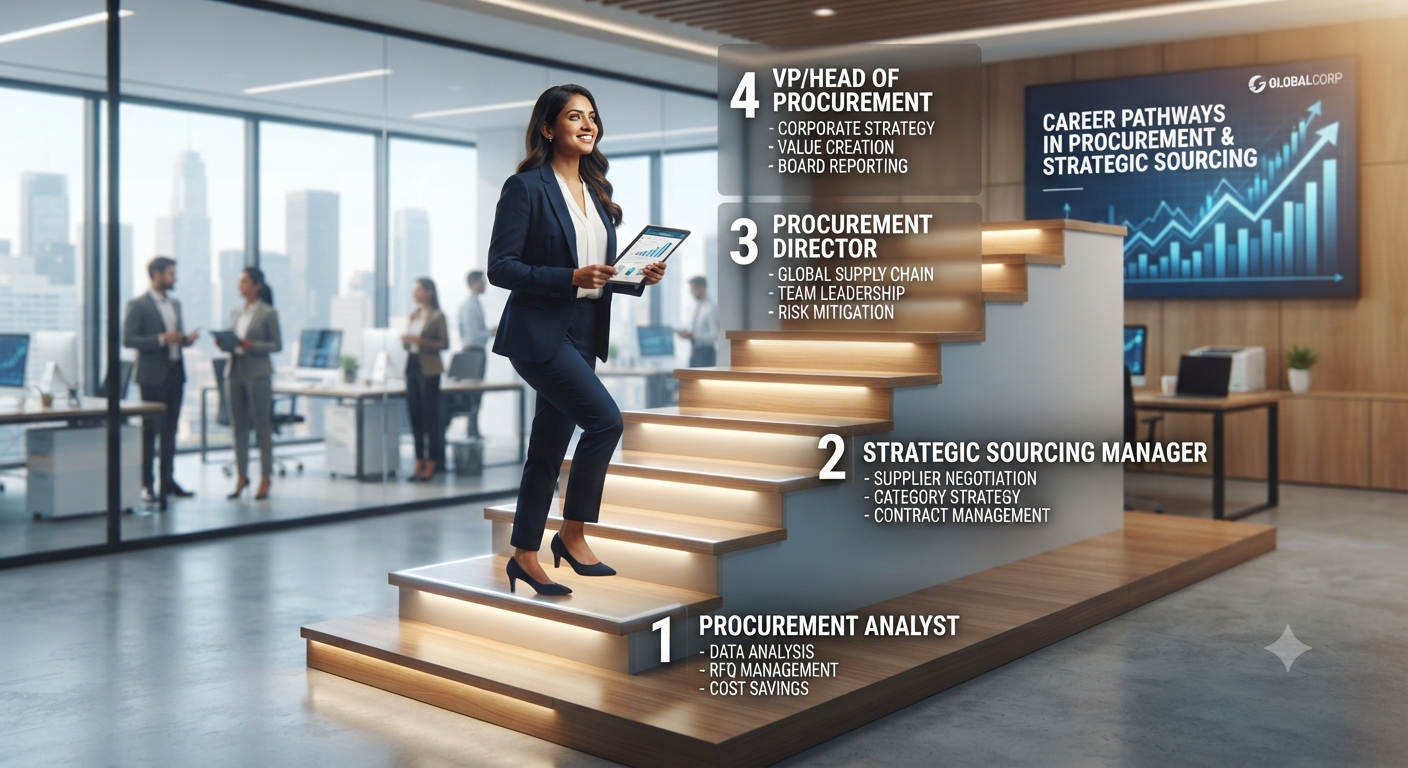
Sales Representative → Account Executive → Sales Manager → Business Unit Leader → General Manager
Another route could be:
Sales → Strategic Accounts → Regional Leadership → Business Development → General Management
There is no single required path. The important factor is increasing the scope of your responsibilities.
When evaluating your next role, ask:
- Will I manage people?
- Will I own a budget?
- Will I work across departments?
- Will I participate in strategic planning?
- Will I influence pricing or commercial strategy?
- Will I gain exposure to operations?
- Will I manage a broader business outcome?
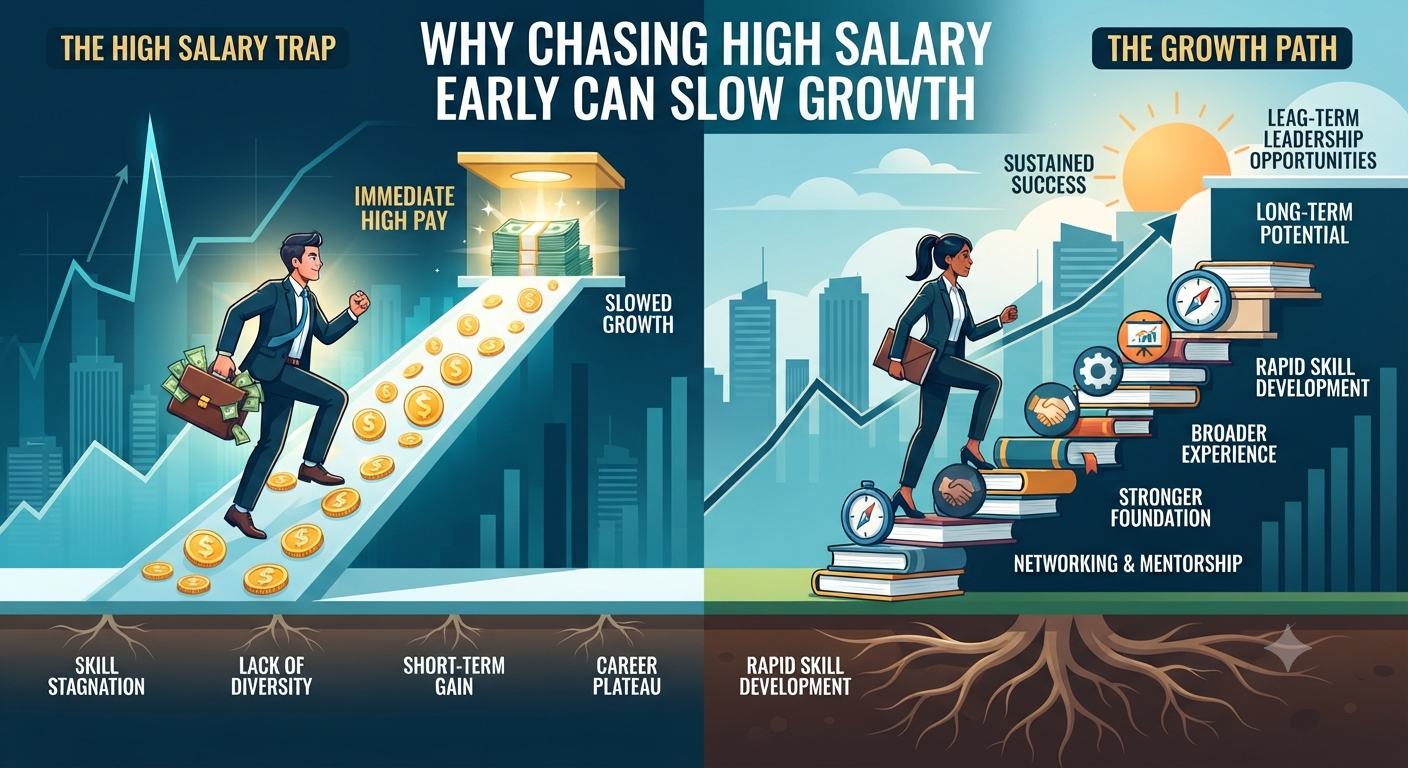
A role with slightly less immediate compensation but significantly broader responsibility may provide different long-term experience. However, evaluate each opportunity based on your own career objectives and financial requirements.
When looking for roles that provide broader commercial exposure, a global job platform such as best job tool can help you explore opportunities across industries and locations.
Develop a Personal Productivity and Financial System
Moving toward general management means managing more complex responsibilities. Strong personal organization becomes increasingly important.
Use a structured system to track:
- Strategic priorities
- Projects
- Important meetings
- Deadlines
- Financial metrics
- Team commitments
- Follow-up actions
Separate urgent tasks from activities that contribute to long-term business growth.
Financial planning should also remain part of your career strategy. Sales roles may include variable compensation, while management positions may have different salary and bonus structures.
Before changing roles, compare:
- Base salary
- Variable compensation
- Bonus structure
- Management responsibilities
- Travel requirements
- Relocation expectations
- Professional development
- Long-term advancement opportunities
Avoid evaluating a career move solely on headline compensation. Consider the skills and business exposure you will gain as well.
Measure Your Progress Beyond Sales Numbers
Sales metrics remain important, but future general managers need a broader Career Guide achievement portfolio.
Track accomplishments such as:
- Revenue growth
- Profitability improvements
- Customer retention
- Process improvements
- Cost reductions
- Team development
- New-market launches
- Cross-functional projects
- Customer experience improvements
For example, “increased sales by 20%” is useful, but “increased regional sales by 20% while improving customer retention and coordinating marketing and operations teams” demonstrates a broader management perspective.
This type of evidence can strengthen your resume and prepare you for interviews for business-unit leadership roles.
Conclusion
A sales career can provide valuable preparation for general management because it develops customer knowledge, commercial awareness, negotiation skills, and direct exposure to revenue. However, reaching a general management position requires expanding beyond sales.
Start by developing financial literacy and understanding how revenue connects with profitability. Then seek cross-functional projects involving marketing, operations, finance, product, and customer success.
At the same time, take leadership responsibility before receiving a formal management title. Mentor colleagues, lead projects, improve processes, and develop the ability to influence people across departments.
Remote work and business travel can also provide useful experience with distributed teams and different markets. Meanwhile, disciplined productivity and financial planning can help you manage increasingly complex responsibilities.
The key is to gradually increase the scope of your work. Instead Career Guide of asking only, “How can I become a better salesperson?” begin asking, “How does my work affect the entire business?” That shift in perspective can help you build the capabilities required for broader leadership responsibilities.
A global job platform such as best job tool can also help you identify sales, commercial leadership, and cross-functional opportunities that align with your longer-term career development.



Leave a Reply