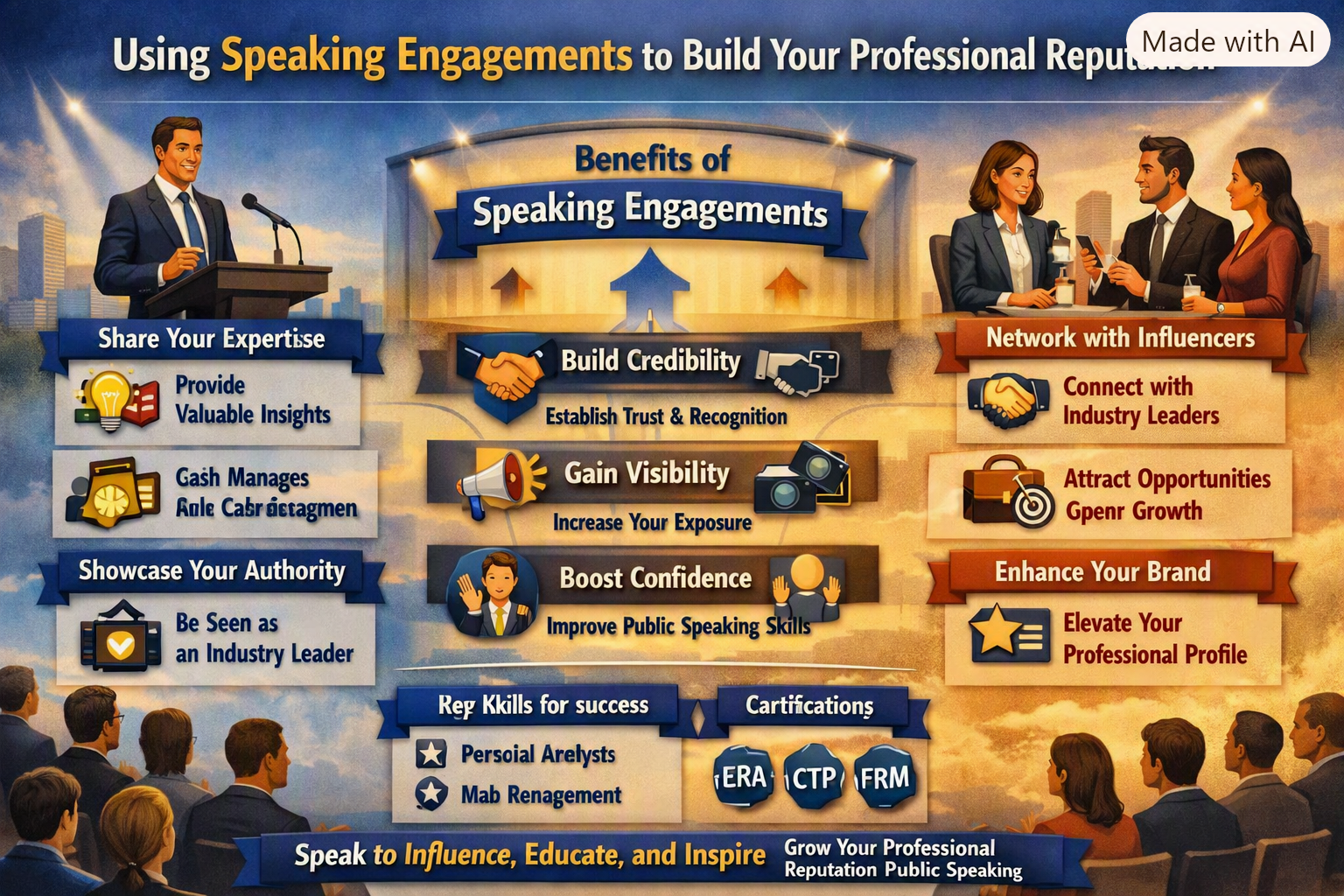
Introduction: Speaking Engagements
Building a professional reputation is a slow and steady process. It requires not only doing good work but also promoting one’s skills, experience, and ideas. Speaking engagements can be a powerful tool in achieving this goal. Speaking engagements refer to various types of public appearances where a person presents information, opinions, or expertise to an audience. They may take different forms such as public appearances, webinars, workshops, conferences, or professional meetings.
How to use speaking engagements to build a professional reputation is an essential question for professionals who wish to elevate their status within their field and increase visibility among peers. It is important to recognize that anyone, regardless of their level of fame, can start by speaking on small venues and gradually move to bigger conferences as their reputation grows.
How to Use Speaking Engagements to Build a Professional Reputation Essay?
1. Choose Topics That You Are Familiar With
Beforehand, it is necessary to think of a topic that would be interesting to the audience. First of all, the subject must be something that the speaker knows well.
A speaker could, for instance, share valuable insights on a particular task that they perform on a daily basis. One can also offer advice on a professional challenge that they had to deal with in the past.
It is essential to choose a topic that would be of interest to the target audience. For example, a marketing expert can talk about creating cost-effective content, an HR specialist can give advice on communicating with employees, and a financial expert can explain the fundamentals of financial planning, among other topics. The main idea is to try to offer practical solutions to the problems that the audience would face in their professional practice. Moreover, it is crucial to remember that a speaker will be more successful if they offer specific advice rather than give general information.
2. Start with Small Speaking Opportunities
Anyone who wishes to start a career in public speaking can begin with relatively small opportunities. It is important to gather experience by speaking in front of small groups of people.
A speaker can begin their journey by holding presentations at college events, professional meetings, seminars, webinars, local business gatherings, and workshops, among others. In addition, one can also offer to give a short presentation at the workplace. Small events allow the speaker to find out what works and what does not, as well as gain confidence and experience. As the speaker gains more experience, they can aim for bigger conferences and events.
3. Make Sure to Prepare a Proper Speaker Profile
When looking for speaking opportunities, it is important to prepare a short description of the professional background, areas of expertise, and topics that one can speak about. Moreover, it is necessary to point out any relevant work experience and mention the events where the speaker has already performed. The profile should sound professional but should not make unnecessary claims. Speakers should refrain from lying or exaggerating to sound better than they actually are.
Instead, they should list the benefits that the audience would obtain from a presentation, as well as the speaker’s qualifications and experience in the relevant field. In addition, it is important to make sure that the chosen image and a short bio accompany the profile.
4. Deliver Useful Information to the Audience
A speaker must always remember that their primary objective is to offer the audience valuable information. It is important to try to address real-life challenges and try to provide practical advice to the audience. To do that, one can give specific examples, explain things in simple words, tell interesting stories, and propose possible solutions.
When discussing a particular professional challenge, the speaker can also offer insight into their own experience, mistakes, and lessons learned. When delivered correctly, this type of information will help to ensure the success of the presentation as well as boost the speaker’s reputation, as the audience will see them as an expert in the field.
Moreover, if the audience finds the content of the presentation useful, they are more likely to remember the speaker and recommend them to others.
5. Practice More to Deliver Better Presentations
It is important to practice better public speaking skills ahead of any presentation. First of all, it is crucial to record oneself and review the speech to see what changes need to be made. The speaker can note such things as run-away sentences, unneeded words, or too long or short pauses. In addition, it is essential to practice delivery of the opening and closing statements. The former has to be strong enough to hook the audience and tell them what they will be able to learn shortly. The latter, on the other hand, has to leave a lasting impression on the listeners so that they can remember the key points of the presentation.
The speaker does not have to sound perfect, however, they should strive for a clear and confident delivery.
6. Stay in Touch With People You Meet
Since speaking engagements are essentially networking events, it is essential to ensure that the speaker builds relationships with the people they meet there. It is important to engage with people both before the presentation and after. Moreover, it is essential to keep in touch with them after the speaking event. For instance, the speaker can respond to questions the audience asks after the presentation.
They can also keep in touch with the organizers and attendees via LinkedIn or other social media platforms. If one meets the same person more than once, they might discuss the topic of the presentation again. Moreover, the speaker can also thank the event organizer for organizing the event and provide professional feedback about the presentation.
In the future, this will allow to develop stronger relationships with one’s professional network, as well as build a good reputation among potential clients or employers. These connections can also become valuable in the future when the speaker looks for new opportunities.
Conclusion: Speaking Engagements
Speaking engagements can play an important role in building a strong professional reputation. By sharing valuable knowledge, demonstrating expertise, and connecting with relevant audiences, professionals can increase their visibility and credibility within their industry.
Consistently choosing meaningful speaking opportunities and delivering useful, well-prepared presentations can also create new networking and career opportunities. Ultimately, speaking engagements are not just opportunities to speak but powerful ways to establish professional authority and build lasting relationships.
Ready to strengthen your professional reputation? Start seeking speaking opportunities, share your expertise, and build meaningful industry connections. Use Best Job Tool to discover relevant career opportunities and take the next step in your professional journey.





Leave a Reply