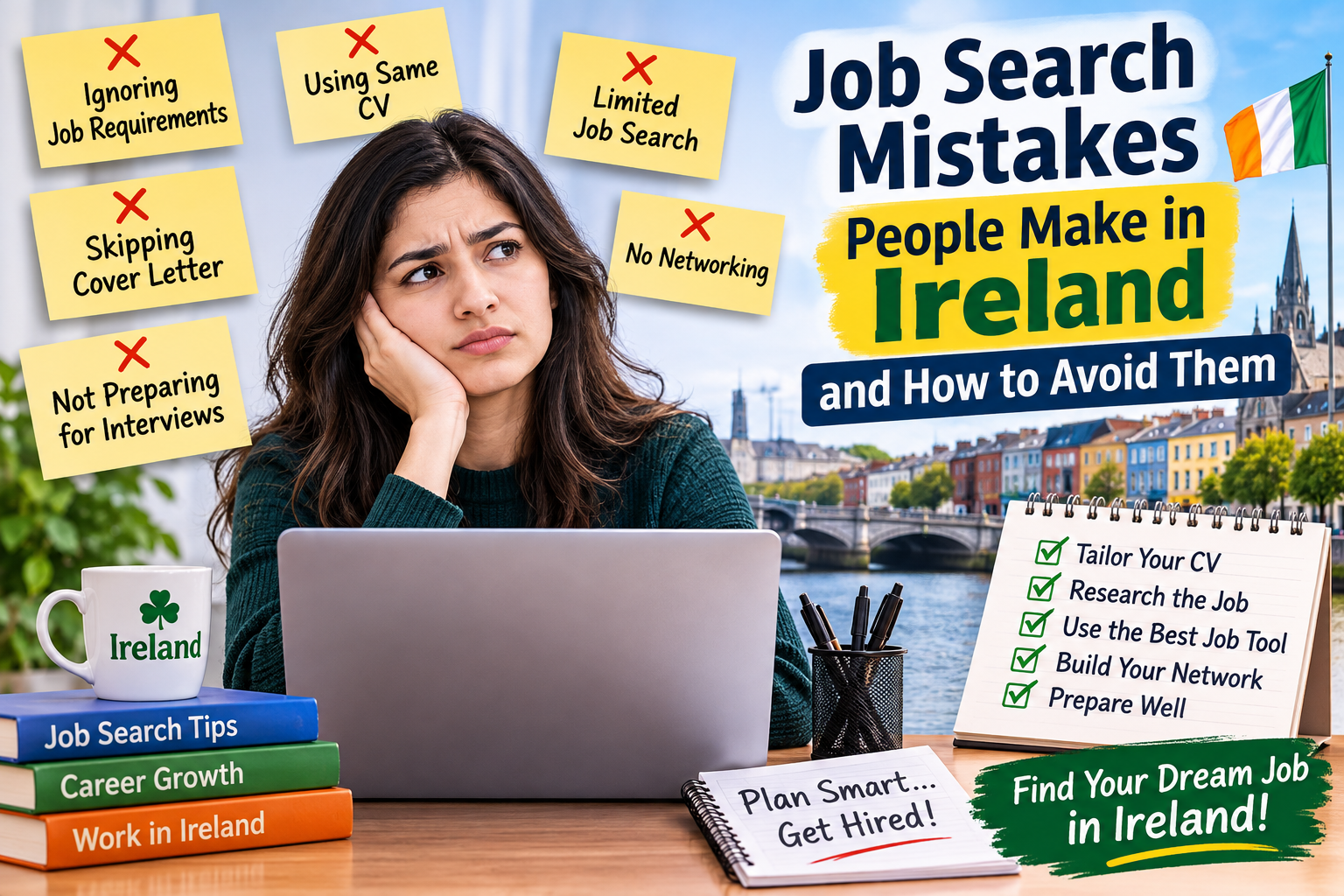
Introduction: Job Search Mistakes in Ireland
Getting a job in Ireland can be an exciting time, especially if you’re a graduate or have a specific skill set. The job market is constantly growing and there are plenty of opportunities for candidates across various sectors, including tech, healthcare, finance, engineering, education, hospitality, and construction. However, it can be difficult to find the right job as many candidates will apply for various roles, but never get any success. Understanding the Irish job market and avoiding common Job Search Mistakes in Ireland can help candidates stand out from other applicants and move closer to their career goals.
One of the main reasons people struggle to find jobs is due to common job search mistakes in Ireland. It can be easy to make small mistakes with your CV, cover letter, interview prep or overall job search strategy, which will impact your chances of getting hired. Knowing what these common issues are can help you improve your strategy and get the best opportunities for your career in Ireland.
What are The Job Search Mistakes?
1. Applying for Jobs Without Matching Requirements
The most common mistake candidates make is applying for all roles without checking the requirements. Many candidates will apply for roles using the same application, but they won’t have the correct skills or experience. This can waste a lot of your time.
Before applying for a role, make sure to read over the job description. Check what skills, qualifications, experience, and language requirements are needed. Apply for roles that matches your background and career goals.
2. Using the Same CV
Your CV is an important part of the hiring process in Ireland. Employers receive lots of applications so will generally want someone who has the correct skills and experience for the role. One of the biggest job search mistakes in Ireland you can make is using the same CV for all employers.
Make sure to tailor your CV to each role. Highlight the skills, qualifications, achievements, and experience you have that are relevant to the role. Use clear headings and simple formatting so it’s easy to read. Include keywords from the job description. A well structured and tailored CV will give you the best first impression.
3. Not Including a Cover Letter
Many candidates think they just need to include a CV, however some employers in Ireland will want you to include a cover letter. This can become one of the avoidable job search mistakes in Ireland you’ll make.
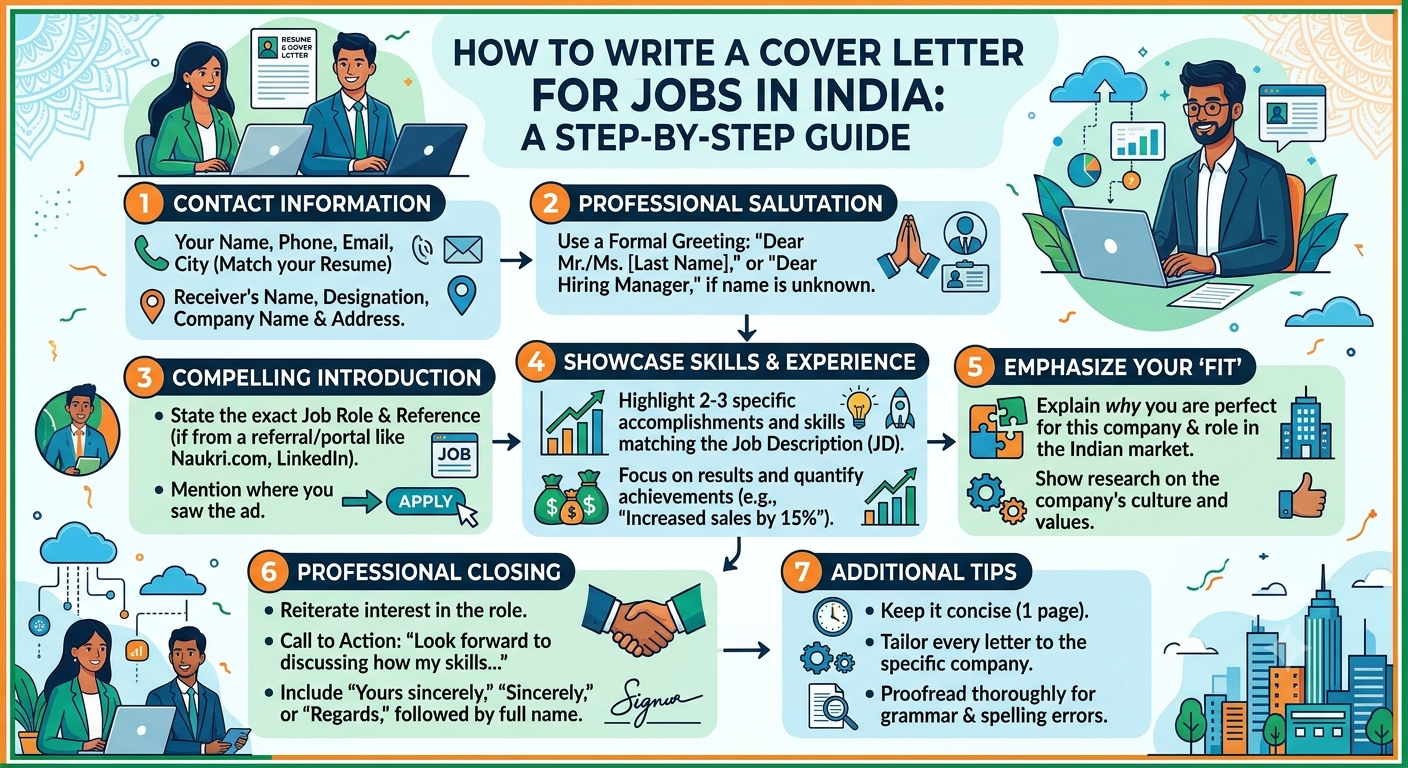
A good cover letter should be brief and include why you’re interested in the role. Explain how your skills will benefit the company. Don’t include everything from your CV. Focus on your relevant achievements. Make sure to tailor your cover letter to the company and check for any spelling or grammatical errors.
4. Not Understanding Work Permit Requirements
Sometimes international candidates can make job search mistakes in Ireland by not knowing about employment and immigration requirements in Ireland. It’s important to know if you’ll need an employment permit and what category the role falls under.
Before applying, research what employment permits are available in Ireland. This includes the Critical Skills Employment Permit and General Employment Permit. Check the most up to date requirements to qualify. Be honest with employers about your current authorisation to work. This will help international candidates avoid making any job search mistakes in Ireland.
5. Using One Website
A common mistake candidates make is using one website to find employment. Although popular job sites can have lots of vacancies, not all companies will advertise on the same site. This can cause you to miss out on opportunities.
Use various job sites to find employment. This can include LinkedIn, Indeed Ireland, IrishJobs.ie, Jobs.ie, and the company website. You can also use recruitment agencies that specialise in your industry. Set up job alerts so you can be notified of new vacancies. This will help you get more opportunities.
6. Not Networking
Networking is a big part of professional development in Ireland. Many candidates will only apply for roles online and not realise the importance of networking. This can be one of the common job search mistakes in Ireland made.
Get into the habit of networking on LinkedIn, attending industry events, career fairs, and joining professional groups. Connect with recruiters, employees, and professionals in your desired industry. Join relevant conversations and share useful professional updates. Although this does not guarantee employment, it will help you to get an insight into any roles, what the industry expects, and any opportunities.
7. Poor Interview Preparation
Getting an interview is an important step, however poor preparation can affect your chances of getting an offer. Some candidates will turn up to an interview without any research.
Avoid making these job search mistakes in Ireland by doing some research on the company. Know what they do, what products/services they offer, what their workplace culture is like, and where they stand in the industry. Prepare examples to show your skills, achievements, and problem solving. Practice answering questions about your experience, strengths, weaknesses, and career goals. Prepare a couple of thoughtful questions to ask the interviewer.
8. Setting Unrealistic Salary Expectations
Setting a salary expectation can play a role in your job search. Some candidates will expect a high salary without doing any research. Others will accept a very low salary as they’re desperate for employment.
Research what the average salary is for the role you’re applying for, your experience level, and where you’re located. Consider what qualifications you hold, what the demand is in the industry, what your responsibilities will be, and cost of living. Use salary comparison sites and job adverts to get an idea of what the salary range is. Setting realistic expectations will help you feel confident when discussing salaries.
Conclusion: Job Search Mistakes in Ireland
Finding work in Ireland can be a lengthy process. However by avoiding common job search mistakes in Ireland during your job search you will create an organised process which will greatly increase your chances of getting in front of the correct employers. You should ensure that your CV is tailored and you have prepared properly for interviews.
Remember your goal is to secure a role with a company that fits. Focus on developing your skills and staying up-to-date with trends within the industry. Ensure you have a professional online presence.
Finally, do not get discouraged by rejections. Learn from them and by continually working hard, using the correct strategy and having proper preparation you will be one step closer to finding a suitable role and building a successful career in Ireland.
Looking for better career opportunities in Ireland? Explore the latest vacancies, improve your CV, and use the Best Job Tool to discover relevant job openings, connect with employers, and simplify your job search. Start exploring new opportunities today and take the next step towards building a successful career in Ireland!

Leave a Reply