Introduction
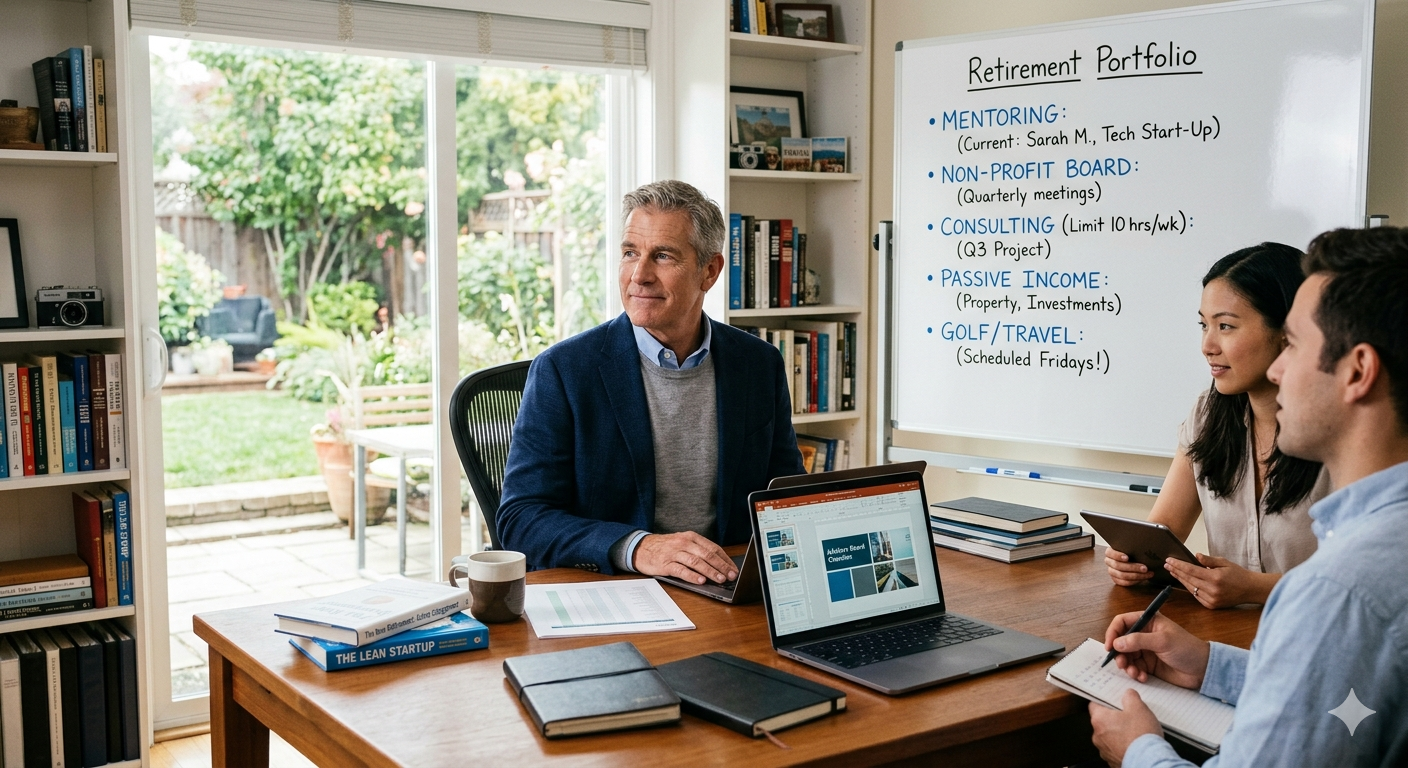
Retirement is no longer defined by a complete exit from work. In today’s evolving professional landscape, many individuals choose to remain active while reducing intensity. This shift is especially relevant for Stopping Work those with diverse professional paths. That is exactly how to retire from a portfolio career without stopping work in the traditional sense.
A portfolio career includes multiple income streams, roles, and projects. Therefore, transitioning out of it requires a strategic approach rather than a sudden stop. Professionals must redefine success, workload, and purpose.
Instead of asking when to stop working, the better question becomes how to work differently. This mindset creates flexibility, sustainability, and long-term satisfaction.
Understanding the evolution of retirement
Traditional retirement models were built around long-term employment with a single organization. However, modern careers are more dynamic and flexible. As a result, retirement expectations have changed.
People are living longer and staying professionally active for more years. Therefore, many prefer gradual transitions instead of complete withdrawal.
Additionally, work is no longer only about income. It also provides purpose, identity, and engagement. This makes a full stop less appealing for many professionals.
Thus, retirement has evolved into a phase Stopping Work of selective participation rather than complete disengagement.
What defines a portfolio career in later stages
A portfolio career is built on diversity. It includes consulting, freelancing, part-time roles, mentoring, or advisory work. In later stages, professionals refine these components.
They often reduce high-pressure responsibilities. Instead, they focus on meaningful and flexible work.
Additionally, they choose roles that align with their interests and expertise. This increases both satisfaction and efficiency.
Therefore, a portfolio career in later stages becomes more intentional and less demanding.
How to retire from a portfolio career without stopping work completely
Transitioning successfully requires planning and clarity. Professionals must first define what retirement means to them.
Start by identifying the type of work you want to continue. Focus on roles that offer flexibility and purpose.
Gradually reduce workload instead of making abrupt changes. This ensures a smooth transition without financial or emotional stress.
Additionally, prioritize autonomy. Choose projects that allow control over time and effort.
Moreover, align your work with personal goals. This creates a balance between professional engagement and personal fulfillment.
Therefore, retirement becomes a shift in structure rather than a complete stop.
The role of financial planning in flexible retirement
Financial stability is essential for a successful transition. Portfolio careers often involve variable income, which requires careful planning.
Professionals should build sufficient savings before reducing workload. This provides security during the transition phase.
Additionally, diversifying income streams reduces dependency on active work. Passive income sources can provide stability.
Managing expenses also plays a key role. Lower financial pressure allows greater flexibility in choosing work.
Therefore, financial planning supports both independence and sustainability.
Choosing meaningful and sustainable work
After transitioning, the focus should shift toward Stopping Work meaningful work. Professionals gain the freedom to choose projects that align with their values.
Mentoring, consulting, and advisory roles are common options. These roles allow individuals to share experience without high stress.
Additionally, creative and passion-driven projects can provide fulfillment. This improves overall well-being.
Moreover, meaningful work keeps individuals mentally engaged. It supports long-term satisfaction and purpose.
Thus, selecting the right type of work enhances the retirement experience.
Maintaining balance between work and life
One of the primary goals of flexible retirement is balance. Professionals must avoid overcommitment even if opportunities are available.
Setting clear boundaries is essential. Define working hours and limit workload to maintain control.
Additionally, prioritize personal interests, health, and relationships. These aspects become more important over time.
Moreover, regular breaks and leisure activities improve overall well-being.
Therefore, balance ensures sustainability in a portfolio career after retirement.
Building a sustainable portfolio structure
A strong portfolio career requires structure. Even in later stages, professionals should maintain diversity in work.
Multiple income streams provide financial stability. They also reduce reliance on a single role.
Additionally, maintaining professional networks is important. Connections create opportunities for flexible work.
Continuous learning also plays a role. Updating skills ensures relevance in changing markets.
Therefore, sustainability depends on adaptability and consistent engagement.
Managing identity and purpose beyond full-time work
Transitioning away from full-time work can affect identity. Many professionals associate their identity with their roles.
However, a portfolio career allows for a broader sense Stopping Work of purpose. Individuals can redefine themselves through diverse contributions.
Additionally, staying professionally active reinforces confidence. It maintains a sense of value and relevance.
Moreover, engaging in meaningful work supports emotional well-being.
Thus, identity evolves rather than disappears during retirement.
Common challenges and how to overcome them
Transitioning to flexible retirement comes with challenges. Reduced income can create uncertainty.
Additionally, adjusting to a less structured routine may feel uncomfortable initially.
However, gradual changes help manage these challenges. Planning Stopping Work reduces financial and emotional stress.
Maintaining a clear routine also improves stability. Structured schedules support productivity and balance.
Therefore, awareness and preparation are key to overcoming challenges.
Staying relevant while working less
Even with reduced workload, staying relevant is important. Professionals must continue learning and adapting.
Engage with industry trends and developments. This ensures continued relevance in the market.
Additionally, maintain visibility through networking and contributions. This creates opportunities for future work.
Moreover, sharing knowledge through mentoring or content creation strengthens professional presence.
Thus, relevance supports long-term engagement.
Conclusion
Understanding how to retire from a portfolio career without stopping work allows professionals to redefine retirement in a meaningful way. It shifts the focus from ending work to reshaping it.
By prioritizing flexibility, financial stability, and purposeful Stopping Work engagement, individuals can create a balanced and fulfilling lifestyle. This approach ensures continued growth without the pressure of full-time commitments.
Retirement is no longer about stopping. It is about choosing how you continue. With the right strategy, professionals can remain active, relevant, and satisfied in the later stages of their careers.
To explore flexible opportunities that align with your goals, use the best job tool and discover roles that support your evolving career path.
Find Your Dream Job Today – Explore Endless Career Opportunities and Secure Your Next Role with Best Job Tool.

Leave a Reply