Introduction
Career development is one of the biggest expectations employees have from organizations. However, many companies struggle to communicate growth paths clearly. This is exactly why understanding how to create career roadmaps that employees actually understand is essential.
A career roadmap should not feel complex or confusing. Instead, it should provide clarity, direction, and motivation. When employees understand their path, they perform better and stay longer.
Therefore, organizations must design roadmaps that are simple, transparent, and actionable.
Why most career roadmaps fail
Many career roadmaps fail because they are too complex. They often include unclear roles, vague expectations, and unrealistic progression paths.
Additionally, some organizations design roadmaps only for documentation. Employees rarely engage with them because they are difficult to understand.
Moreover, lack of communication creates confusion. Employees do not know what steps to take for growth.
Therefore, clarity and usability are critical for success.
How to create career roadmaps that employees actually understand
The first step is simplicity. Roadmaps should be easy to read and follow. Avoid unnecessary complexity.
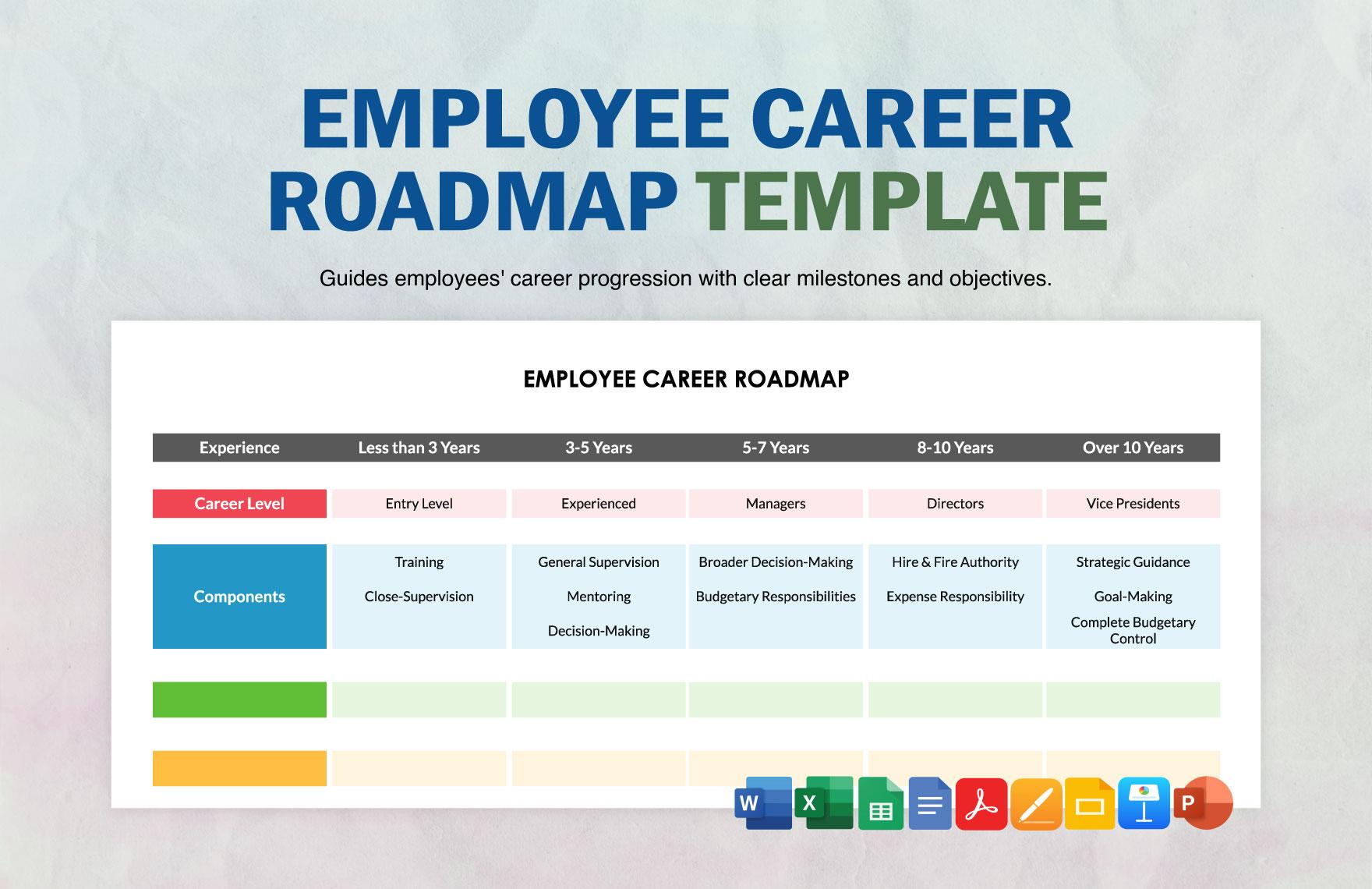
Define clear roles and levels. Each stage should include specific expectations and responsibilities.
Additionally, outline the skills required for progression. Employees should know what they need to improve.
Moreover, connect roles with outcomes. Show how growth impacts both the individual and the organization.
Thus, a clear structure improves understanding.
Defining clear roles and progression paths
Employees need to see where they are and where they can go. Clearly defined roles help create this visibility.
Each level should have a clear purpose. Avoid overlapping responsibilities.
Additionally, progression paths should be realistic. Employees should understand how long it may take to move forward.
Moreover, provide examples of career journeys. This makes the roadmap more relatable.
Therefore, clarity in roles improves engagement.
Making career paths visual and easy to follow
Visual representation improves understanding. Employees process information better when it is structured clearly.
Use simple diagrams or flow-based structures. This helps employees see progression at a glance.
Additionally, avoid long text descriptions. Focus on concise and meaningful information.
Moreover, ensure that visuals are consistent across departments.
Thus, visual clarity enhances usability.
Linking skills to growth opportunities
Skills are the foundation of career development. Employees need to know what to learn to grow.
Define key skills for each role. This may include technical, behavioral, and leadership skills.
Additionally, provide guidance on how to develop these skills. Suggest training, projects, or mentorship.
Moreover, align skills with business goals. This ensures relevance.
Therefore, skill-based roadmaps create actionable pathways.
Communicating roadmaps effectively
Even the best roadmap will fail without proper communication. Employees must understand how to use it.
Introduce roadmaps during onboarding and performance reviews. This ensures visibility.
Additionally, managers should discuss career paths regularly. Conversations improve clarity.
Moreover, encourage employees to ask questions. This builds engagement.
Thus, communication is essential for success.
The role of managers in career development
Managers play a key role in making roadmaps effective. They guide employees and provide feedback.
Managers should help employees identify strengths and areas for improvement.
Additionally, they should align individual goals with organizational objectives.
Moreover, regular check-ins ensure progress.
Therefore, strong manager involvement improves outcomes.
Keeping roadmaps flexible and adaptable
Career paths are not always linear. Organizations must allow flexibility.
Employees may want to explore different roles or departments. Roadmaps should support this.
Additionally, update roadmaps regularly. Business needs and roles evolve over time.
Moreover, gather feedback from employees. This helps improve the system.
Thus, adaptability ensures long-term relevance.
Measuring the effectiveness of career roadmaps
Organizations should track the impact of career roadmaps. Metrics such as employee engagement, retention, and internal mobility are useful.
Additionally, feedback from employees provides valuable insights.
Moreover, analyzing promotion rates can indicate success.
Continuous improvement ensures that roadmaps remain effective.
Therefore, measurement is key.
Conclusion
Understanding how to create career roadmaps that employees actually understand is essential for building strong and engaged teams. Clear, simple, and actionable roadmaps improve both employee satisfaction and organizational performance.
By focusing on clarity, communication, and flexibility, companies can create meaningful growth pathways.
In today’s competitive environment, career development is a key differentiator. Organizations that invest in effective roadmaps will attract and retain top talent.
To explore opportunities where growth is clearly defined, use the best job tool and find roles that align with your career path.
Find Your Dream Job Today – Explore Endless Career Opportunities and Secure Your Next Role with Best Job Tool.





Leave a Reply