Introduction
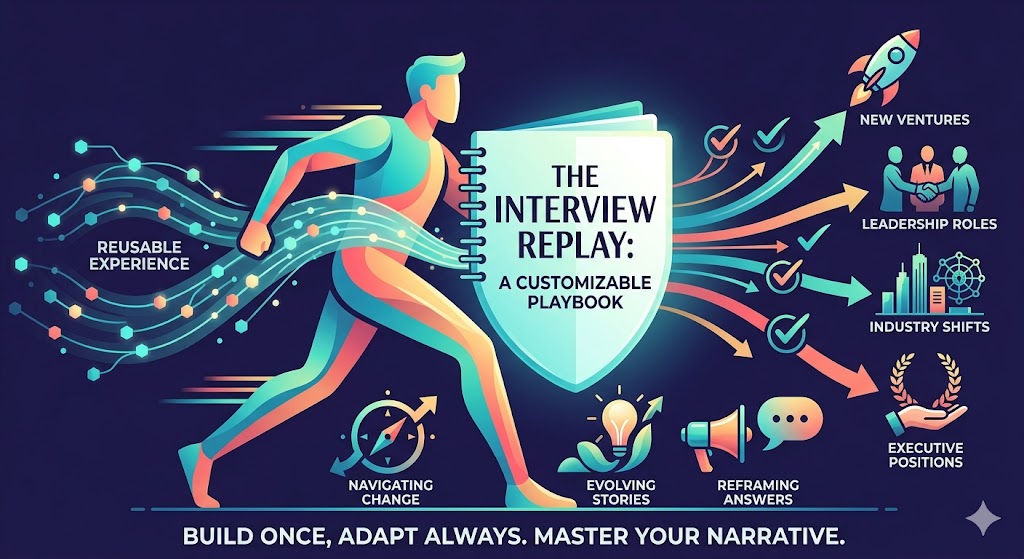
Job interviews can feel unpredictable, even for experienced professionals. Many candidates spend hours preparing for every opportunity from scratch, only to find themselves struggling to recall examples, achievements, or responses when it matters most. The solution is creating a personal interview playbook—a structured resource that helps you prepare efficiently and consistently for any interview.
An interview playbook is a collection of your professional stories, accomplishments, skills, and responses that can be adapted for different roles and industries. Instead of starting over each time, you build a reusable system that grows throughout your career.
For students, recent graduates, remote professionals, and experienced job seekers, a well-organized interview playbook can improve confidence, reduce preparation time, and increase interview performance.
Why Every Job Seeker Needs an Interview Playbook
Most interviews evaluate similar competencies regardless of industry or position. Employers want to understand:
- Your professional experience
- Problem-solving abilities
- Leadership potential
- Communication skills
- Teamwork capabilities
- Adaptability
- Time management
- Decision-making process
Without a structured preparation system, candidates often provide inconsistent answers or forget important examples.
An interview playbook helps you:
- Prepare faster for interviews
- Deliver more confident responses
- Present consistent professional stories
- Reduce interview anxiety
- Highlight your strongest achievements
Having your best examples organized ensures you’re always ready for new opportunities.
Create Your Professional Career Summary
The first section of your playbook should contain a concise professional introduction.
This summary should answer:
- Who are you?
- What experience do you have?
- What skills define your work?
- What type of opportunities are you pursuing?
A strong introduction typically takes 60–90 seconds to deliver.
Include:
- Educational background
- Professional experience
- Key achievements
- Career goals
This becomes the foundation for answering questions such as “Tell me about yourself.”
Having this section prepared prevents rambling and helps create a strong first impression.
Build a Library of Success Stories
The most valuable section of your interview playbook is your story bank.
Employers frequently ask behavioral questions that require examples from your experience.
Create stories around:
- Leadership
- Teamwork
- Conflict resolution
- Productivity
- Innovation
- Problem-solving
- Adaptability
- Project management
- Financial planning
- Customer service
Use the STAR framework:
Situation
Explain the context.
Task
Describe your responsibility.
Action
Explain what you did.
Result
Share the outcome.
Prepare at least two examples for each competency. This allows you to adapt your responses to different interview situations.
Document Your Measurable Achievements
Many candidates remember responsibilities but forget results.
Create a section dedicated to achievements with measurable outcomes.
Examples include:
- Revenue growth achieved
- Cost reductions delivered
- Productivity improvements implemented
- Projects completed successfully
- Customer satisfaction improvements
- Team performance results
Whenever possible, include numbers.
For example:
- Increased engagement by 40%
- Reduced costs by 15%
- Managed a team of 20 volunteers
- Completed projects ahead of schedule
Specific results make your answers more credible and memorable.
Prepare for Remote Work Interview Questions
Remote and hybrid work environments continue to expand globally. Employers increasingly ask questions related to self-management and virtual collaboration.
Prepare examples that demonstrate:
- Independent work habits
- Time management
- Virtual communication
- Productivity tracking
- Digital collaboration
- Remote project coordination
Potential examples may include:
- Managing remote internships
- Collaborating on virtual projects
- Leading online meetings
- Coordinating distributed teams
Candidates pursuing international opportunities through platforms like best job tool often encounter remote-work-related interview questions, making this preparation especially valuable.
Include Travel, Adaptability, and Cross-Cultural Experiences
Global organizations value employees who can adapt to new environments and collaborate with diverse teams.
Your interview playbook should include experiences involving:
- Educational travel
- Exchange programs
- Research trips
- International collaborations
- Cross-cultural teamwork
- Relocation experiences
These examples demonstrate:
- Flexibility
- Communication skills
- Problem-solving
- Cultural awareness
- Resilience
For example, a travel-based research project may highlight your ability to adjust plans, manage uncertainty, and achieve objectives despite unexpected challenges.
These qualities are increasingly important in global and remote workplaces.
Develop Responses for Common Interview Questions
While every interview is unique, many questions appear repeatedly.
Prepare responses for:
- Tell me about yourself.
- Why do you want this role?
- What are your strengths?
- What is your biggest challenge?
- Tell me about a time you faced conflict.
- Describe a difficult project.
- Why should we hire you?
- Where do you see yourself in five years?
Avoid memorizing scripts.
Instead, create key talking points that allow natural and flexible responses.
This approach helps you sound authentic while remaining well-prepared.
Prepare Financial Planning and Resource Management Examples
Many roles involve decision-making related to budgets, resources, or efficiency.
Examples may include:
- Managing event budgets
- Controlling project costs
- Securing sponsorships
- Allocating team resources
- Improving operational efficiency
These stories demonstrate:
- Strategic thinking
- Accountability
- Financial awareness
- Planning capabilities
Employers often associate financial responsibility with leadership potential and business maturity.
Including these examples in your interview playbook expands the range of questions you can answer effectively.
Update Your Playbook After Every Interview
An interview playbook should evolve throughout your career.
After each interview:
- Record questions asked
- Note successful responses
- Identify areas for improvement
- Add new accomplishments
- Update professional goals
This process helps you continuously improve your interview performance.
Over time, your playbook becomes a valuable career resource that supports job searches, networking conversations, performance reviews, and promotion discussions.
Professionals using global platforms such as best job tool can especially benefit from maintaining an updated playbook as they apply for diverse opportunities across industries and regions.
Conclusion
A personal interview playbook is one of the most effective tools a job seeker can create. Rather than preparing from scratch for every opportunity, you develop a structured system that captures your achievements, stories, skills, and professional experiences in one place.
By organizing success stories, documenting measurable results, preparing for remote work discussions, highlighting travel and adaptability experiences, and refining answers to common questions, you can approach interviews with greater confidence and consistency.
In today’s competitive job market, preparation often separates successful candidates from the rest. A well-maintained interview playbook not only improves interview performance but also helps you communicate your value more effectively. Combined with opportunities discovered through best job tool, a strong interview strategy can significantly increase your chances of securing meaningful career opportunities and long-term professional success.




Leave a Reply