
The workplace has changed dramatically over the last decade. Organizations are no longer focused solely on hiring, payroll, and compliance. Instead, companies are investing in employee experience, workplace culture, engagement, performance, and professional development. This shift has given rise to People Operations, a modern approach that goes beyond traditional Human Resources.
Professionals entering the workforce today are increasingly choosing careers in People Operations because the field combines business strategy with employee success. Instead of simply managing policies, People Operations professionals help organizations create environments where employees perform at their best while supporting long-term business growth.
With remote work becoming a permanent part of many organizations, companies are also searching globally for professionals who understand digital collaboration, employee engagement, productivity management, travel testing requirements for distributed teams, and workforce planning.
This guide explains how to transition from traditional HR into People Operations, the skills employers value, career opportunities, and practical strategies for long-term success.
What Is People Operations?
People Operations (People Ops) is a strategic function focused on improving the employee experience throughout the entire employment lifecycle.
Rather than concentrating only on administrative responsibilities, People Operations aims to:
- Improve employee engagement
- Increase workplace productivity
- Build positive company culture
- Enhance talent development
- Support leadership decision-making
- Improve retention rates
- Use workforce data to drive business outcomes
Traditional HR often focuses on compliance and operational processes, whereas People Operations treats employees as valuable contributors to organizational success.
Modern companies increasingly view People Operations as a business partner rather than an administrative department.
Traditional HR vs. People Operations
Although both functions support employees, their priorities differ significantly.
Traditional HR Focus
- Recruitment administration
- Payroll processing
- Employee records
- Compliance
- Policy management
- Benefits administration
- Legal documentation
People Operations Focus
- Employee experience
- Organizational culture
- Career development
- Leadership coaching
- Workforce analytics
- Employee productivity
- Engagement strategies
- Remote workforce management
Professionals entering People Operations often collaborate with executives, managers, finance teams, and operations departments to improve overall organizational performance.
Essential Skills for Building a Career in People Operations
Success in People Operations requires a combination of interpersonal, analytical, and business skills.
Communication
Clear communication remains one of the most valuable abilities. People Operations professionals regularly interact with employees, managers, leadership teams, and external partners.
Strong communication includes:
- Active listening
- Professional writing
- Presentation skills
- Conflict resolution
- Coaching conversations
Data Analysis
Modern People Operations relies heavily on workforce metrics.
Useful analytical skills include:
- Employee engagement analysis
- Retention reporting
- Hiring metrics
- Performance dashboards
- Productivity tracking
Professionals who understand data can make informed recommendations that improve business performance.
Technology Proficiency
Most organizations now use digital HR systems and collaboration platforms.
Common tools include:
- HR Information Systems (HRIS)
- Applicant Tracking Systems (ATS)
- Performance management software
- Payroll platforms
- Employee engagement software
- Collaboration tools
Digital literacy is particularly important in remote-first organizations.
Strategic Thinking
People Operations professionals must understand how employee decisions affect broader business objectives.
This includes:
- Workforce planning
- Organizational design
- Talent development
- Succession planning
- Performance improvement
Companies increasingly expect People Ops teams to contribute directly to business growth.
Remote Work Is Expanding Opportunities in People Operations
Remote work has transformed the hiring landscape.
Organizations now recruit People Operations professionals from different countries and time zones, creating more opportunities for candidates with digital collaboration experience.
Remote People Operations roles often involve:
- Virtual onboarding
- Online employee engagement
- Remote performance reviews
- Digital documentation
- Distributed workforce communication
- Global hiring coordination
Professionals working with international teams may also coordinate travel testing requirements for employees attending conferences, client meetings, or cross-border business events. Understanding travel documentation and compliance processes has become increasingly valuable in multinational organizations.
Candidates interested in remote careers can discover international opportunities through the best job tool, a global job platform that connects professionals with employers offering flexible and remote positions across multiple industries.
Financial Planning for a Sustainable Career
Career growth is closely connected to financial stability.
Professionals entering People Operations should develop sound financial habits early in their careers.
Build an Emergency Fund
Unexpected career changes can happen.
Maintaining three to six months of living expenses provides financial security during job transitions.
Invest in Continuous Learning
Professional development delivers long-term returns.
Consider investing in:
- HR certifications
- Leadership training
- Data analytics courses
- Project management certifications
- Business communication programs
Learning new skills often leads to higher salaries and broader career opportunities.
Understand Compensation Beyond Salary
Evaluate complete compensation packages, including:
- Health benefits
- Retirement plans
- Performance bonuses
- Learning budgets
- Remote work allowances
- Paid leave
- Flexible work schedules
The highest salary does not always represent the best long-term opportunity.
Plan for Career Progression
Map financial goals alongside career milestones.
For example:
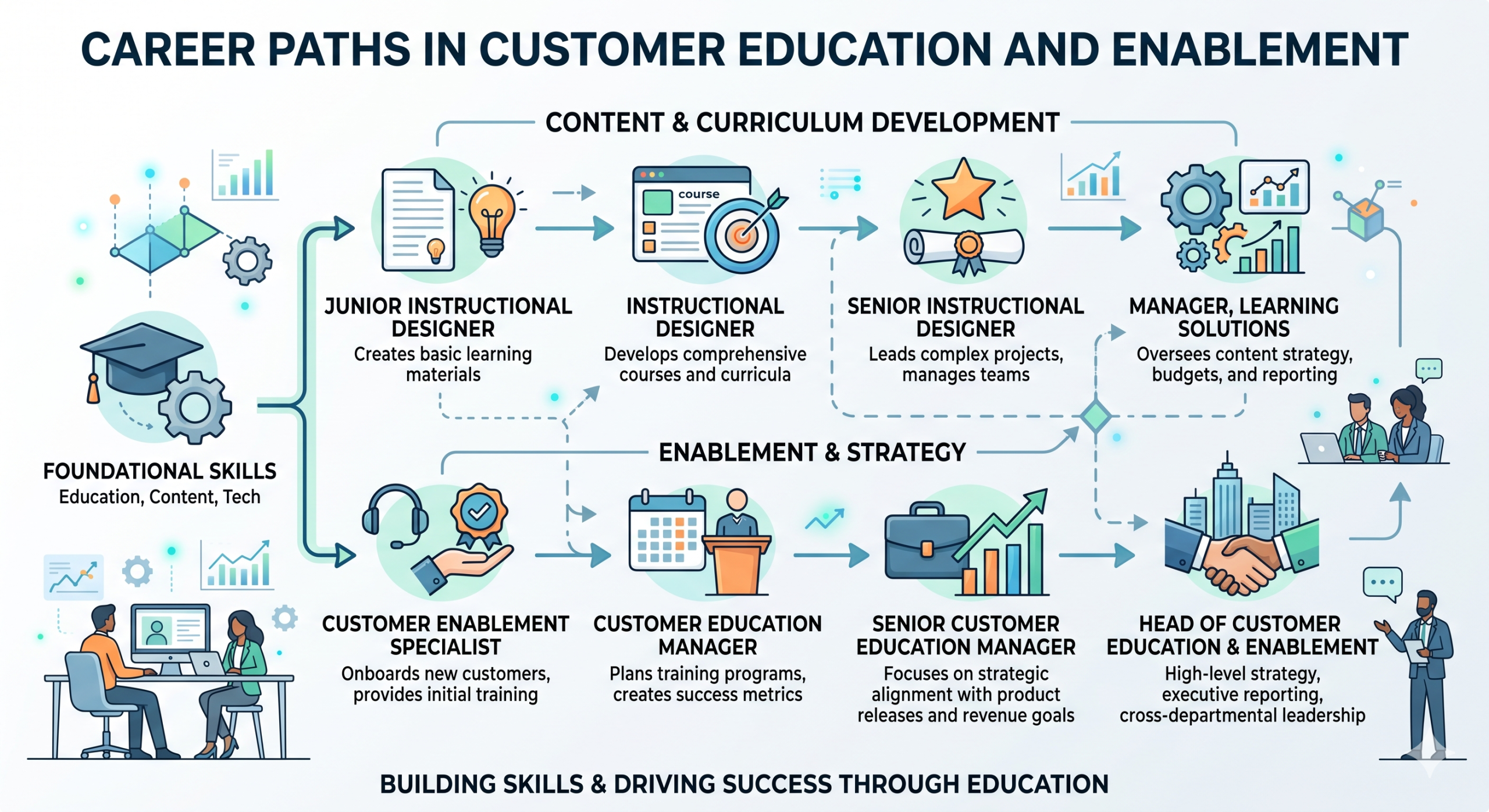
- Entry-level People Coordinator
- People Operations Specialist
- Senior People Partner
- People Operations Manager
- Director of People Operations
- Chief People Officer
Long-term planning helps professionals make informed career decisions rather than reacting to short-term opportunities.
Practical Strategies to Build Your People Operations Career
Building a successful career requires consistent action rather than waiting for opportunities to appear.
Develop Business Knowledge
Understand how organizations generate revenue and measure performance.
Learning basic finance, operations, and marketing improves collaboration with leadership teams.
Build Cross-Functional Experience
Volunteer for projects involving different departments.
Experience working with operations, finance, recruiting, or customer success strengthens your understanding of business processes.
Strengthen Employee Experience Skills
Employers increasingly value professionals who can improve workplace satisfaction.
Gain experience with:
- Employee surveys
- Recognition programs
- Wellness initiatives
- Learning and development
- Internal communication
Build a Professional Network
Networking remains one of the most effective ways to discover career opportunities.
Participate in:
- Industry webinars
- Professional associations
- Online communities
- LinkedIn discussions
- Virtual conferences
Meaningful professional relationships often lead to referrals and mentorship opportunities.
Stay Current With Workplace Trends
The workplace continues evolving rapidly.
Monitor developments in:
- Artificial intelligence
- Workforce analytics
- Employee well-being
- Flexible work policies
- Remote leadership
- Skills-based hiring
Professionals who adapt quickly remain highly competitive.
Finding the Right Opportunities
Searching for People Operations roles requires more than submitting applications.
Candidates should:
- Tailor resumes for each position
- Highlight measurable achievements
- Demonstrate leadership experience
- Showcase communication skills
- Include technology proficiency
- Quantify project outcomes
A strong online professional presence also improves visibility among recruiters.
Professionals exploring remote and international People Operations opportunities can simplify their search using the best job tool, a global job platform that helps connect qualified candidates with employers seeking modern HR and People Operations talent across different regions.
Preparing for Long-Term Success
The future of People Operations extends well beyond traditional HR responsibilities.
Organizations increasingly expect People professionals to contribute to strategic planning, employee engagement, workforce analytics, organizational culture, and leadership development.
To remain competitive:
- Continue learning throughout your career.
- Build expertise in technology and analytics.
- Strengthen communication and leadership abilities.
- Understand global workforce trends.
- Embrace remote collaboration.
- Develop financial discipline alongside professional growth.
Professionals who combine business knowledge with strong people skills will remain valuable as organizations continue modernizing their workforce strategies.
Conclusion
People Operations represents the next evolution of workforce management. Rather than focusing solely on administrative responsibilities, today’s professionals help shape company culture, improve employee experiences, support productivity, and contribute directly to business success.
As remote work, global hiring, digital collaboration, travel testing requirements, and workforce flexibility continue reshaping organizations, demand for skilled People Operations professionals will only increase. By developing analytical capabilities, communication skills, financial planning habits, and strategic business knowledge, professionals can build rewarding careers with significant long-term growth potential.
Whether you are transitioning from traditional HR or entering the profession for the first time, leveraging resources such as the best job tool can help you discover global opportunities, connect with forward-thinking employers, and build a successful career in the rapidly evolving field of People Operations.


Leave a Reply