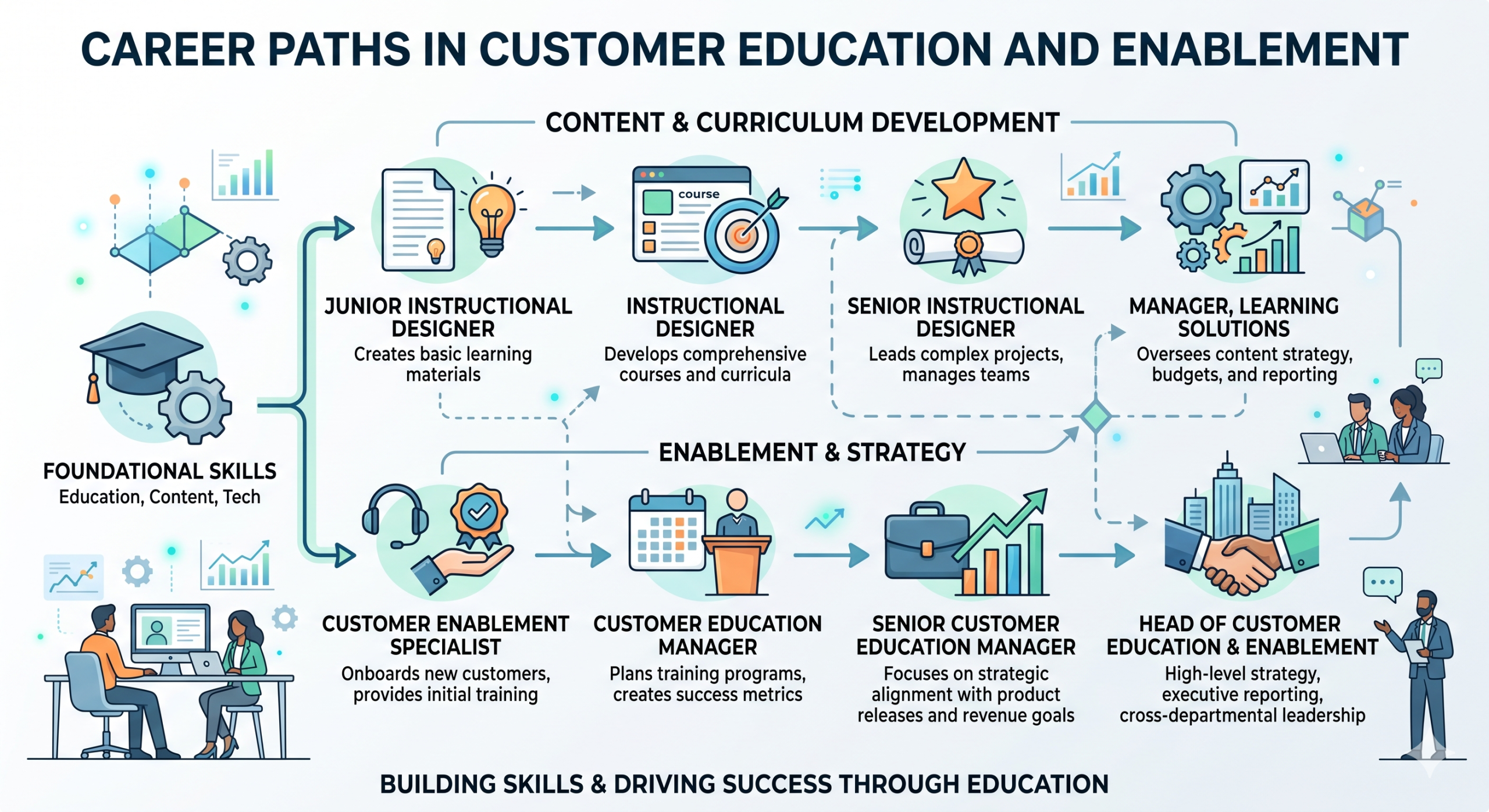
Customer expectations have evolved significantly in recent years. Businesses are no longer judged solely by the quality of their products or services—they are also evaluated on how effectively they help customers achieve success. This shift has made Customer Education and Enablement one of the fastest-growing career fields across technology, SaaS, healthcare, finance, and other customer-focused industries.
Customer Education and Enablement professionals create learning experiences that help customers confidently use products, solve problems independently, and maximize the value of their purchases. Rather than reacting to customer issues, they proactively educate users through training programs, webinars, online courses, documentation, and certification programs.
As organizations expand globally, embrace remote work, and invest in digital learning, demand for professionals in this field continues to grow. Whether you’re transitioning from teaching, training, customer support, instructional design, or marketing, Customer Education and Enablement offers a rewarding career with strong advancement opportunities.
This guide explores career paths, essential skills, remote work opportunities, productivity strategies, travel testing considerations, and financial planning to help you build a successful career in this growing profession.
Understanding Customer Education and Enablement
Customer Education and Enablement focuses on empowering customers through structured learning experiences that improve product adoption, customer satisfaction, and long-term loyalty.
Common responsibilities include:
- Designing customer onboarding programs
- Creating online learning courses
- Producing product tutorials
- Writing knowledge base articles
- Hosting webinars and workshops
- Managing customer certification programs
- Measuring learning outcomes
- Collaborating with Product, Customer Success, and Support teams
The primary objective is to help customers become confident, independent users while reducing support requests and increasing retention.
Popular Career Paths in Customer Education and Enablement
The field offers diverse opportunities for professionals with different backgrounds and skill sets.
Customer Education Specialist
This entry-level role focuses on developing educational resources and supporting customer onboarding.
Typical responsibilities include:
- Delivering virtual training sessions
- Creating user guides
- Updating knowledge base content
- Assisting with onboarding programs
- Collecting learner feedback
This position is ideal for professionals starting their careers in customer learning.
Instructional Designer
Instructional Designers create engaging and effective learning experiences using educational design principles.
Their responsibilities often include:
- Developing e-learning courses
- Designing assessments
- Building interactive learning modules
- Organizing learning pathways
- Improving course effectiveness through learner analytics
Professionals with backgrounds in education or curriculum development often transition successfully into this role.
Customer Enablement Manager
Enablement Managers oversee customer learning initiatives and ensure educational programs align with business objectives.
Responsibilities include:
- Managing education strategies
- Coordinating cross-functional teams
- Tracking customer adoption metrics
- Improving onboarding experiences
- Leading training initiatives
This role combines leadership, project management, and strategic planning.
Learning Experience (LX) Designer
Learning Experience Designers focus on creating user-centered educational experiences.
They work with:
- User interface designers
- Product managers
- Content creators
- Customer Success teams
Their goal is to make learning intuitive, engaging, and accessible.
Director of Customer Education
Senior leaders oversee global education strategies and drive customer learning initiatives across the organization.
Responsibilities typically include:
- Developing long-term education strategies
- Managing education teams
- Establishing learning metrics
- Collaborating with executive leadership
- Scaling customer education programs internationally
This position requires extensive experience in leadership and customer engagement.
Essential Skills for Success
Customer Education professionals require a combination of communication, technical, analytical, and business skills.
Communication Skills
Strong communication is the foundation of effective customer education.
Important abilities include:
- Public speaking
- Professional writing
- Presentation delivery
- Active listening
- Storytelling
- Simplifying technical concepts
Professionals must explain complex products in ways that are easy to understand.
Instructional Design Knowledge
Understanding how people learn enables professionals to create effective educational content.
Useful concepts include:
- Adult learning principles
- Learning objectives
- Course design
- Assessment strategies
- Knowledge retention techniques
Even basic instructional design knowledge significantly improves training quality.
Technology Skills
Most organizations rely on digital tools for customer education.
Common platforms include:
- Learning Management Systems (LMS)
- Webinar software
- Video editing tools
- Knowledge management platforms
- Customer relationship management (CRM) systems
- Content authoring software
Being comfortable with technology is essential for both in-person and remote education roles.
Analytical Thinking
Customer Education teams regularly measure learning effectiveness.
Important metrics include:
- Course completion rates
- Product adoption
- Customer engagement
- Certification completion
- Knowledge assessment scores
- Customer satisfaction
Using data to improve educational programs is increasingly expected in modern organizations.
Remote Work Opportunities in Customer Education
Customer Education is well suited for remote and hybrid work because most learning experiences are delivered digitally.
Remote professionals often manage:
- Virtual onboarding sessions
- Online training workshops
- Self-paced learning programs
- Customer webinars
- Digital documentation
- Cross-functional collaboration
Many organizations hire Customer Education professionals regardless of location, allowing candidates to work with international teams.
Some roles may require occasional travel for customer conferences, training events, or enterprise implementations. Professionals should understand company travel policies and travel testing requirements when participating in international business activities.
Professionals searching for remote Customer Education opportunities can use the best job tool, a global job platform that connects job seekers with employers offering flexible and remote positions across industries.
Productivity Strategies for Customer Education Professionals
Managing multiple learning initiatives requires strong organizational skills.
Build a Content Calendar
Plan educational content around:
- Product releases
- Customer onboarding schedules
- Webinars
- Certification updates
- Documentation reviews
A structured calendar improves consistency and reduces last-minute work.
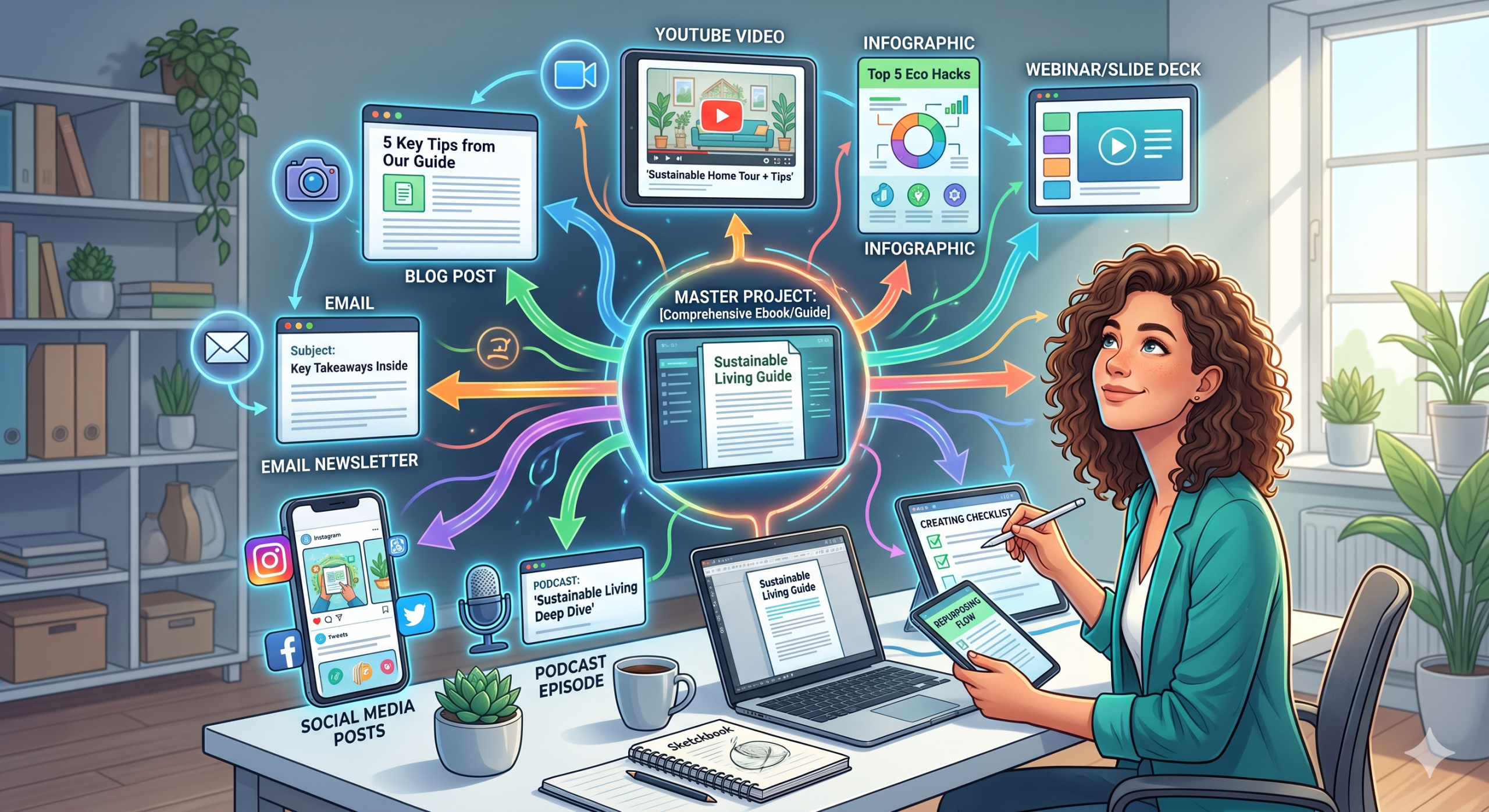
Repurpose Learning Content
Maximize efficiency by converting one piece of content into multiple formats.
For example:
- Webinar recordings into tutorials
- Documentation into FAQs
- Blog articles into learning modules
- Product demonstrations into short videos
This approach saves time while maintaining consistent messaging.
Collaborate Across Departments
Customer Education teams work closely with:
- Product Management
- Customer Success
- Marketing
- Sales
- Technical Support
- Engineering
Regular collaboration ensures learning materials remain accurate and aligned with customer needs.
Measure Performance Regularly
Track key performance indicators such as:
- Training attendance
- Customer engagement
- Product adoption
- Support ticket reduction
- Customer feedback
- Learning completion rates
Continuous measurement helps improve educational effectiveness.
Financial Planning for Career Growth
Professional success should be supported by sound financial planning.
Invest in Skill Development
Consider certifications in:
- Instructional Design
- Learning Experience Design
- Customer Success
- Project Management
- Technical Writing
- Digital Learning Technologies
Continuous learning enhances career prospects and earning potential.
Evaluate Complete Compensation Packages
When reviewing job offers, consider:
- Salary
- Annual bonuses
- Health insurance
- Remote work allowances
- Professional development budgets
- Paid certifications
- Retirement benefits
- Flexible work schedules
A comprehensive benefits package often provides greater long-term value than salary alone.
Build Long-Term Financial Security
Establish an emergency fund covering three to six months of living expenses and create a savings plan for future goals. Financial stability provides flexibility when pursuing promotions, certifications, or career transitions.
How to Start a Career in Customer Education and Enablement
Breaking into the field becomes easier with a structured approach.
Follow these practical steps:
- Develop excellent presentation skills.
- Learn the fundamentals of instructional design.
- Create a portfolio of learning materials.
- Gain experience with LMS platforms.
- Improve technical writing abilities.
- Learn basic video creation and editing.
- Build a strong LinkedIn profile.
- Network with professionals in Customer Success and Learning teams.
- Stay updated on digital learning trends.
If you’re looking for remote or international opportunities, the best job tool, a global job platform, can help you discover employers seeking Customer Education professionals with diverse backgrounds and transferable skills.
Future Trends Shaping Customer Education Careers
Customer Education continues to evolve alongside technology and customer expectations.
Key trends include:
- AI-assisted personalized learning
- Interactive product walkthroughs
- Microlearning content
- Customer certification ecosystems
- Learning analytics
- Community-driven education
- Virtual reality training
- Self-service learning platforms
Professionals who embrace these innovations will remain competitive as organizations continue expanding their customer education strategies.
Conclusion
Customer Education and Enablement has become an essential business function that helps organizations improve customer success, increase product adoption, and strengthen long-term relationships. As companies continue investing in digital learning, remote collaboration, and customer experience, career opportunities in this field are expected to grow across industries.
Success requires a combination of communication, instructional design, technology proficiency, analytical thinking, productivity management, and continuous professional development. Understanding remote work practices, travel testing requirements for business travel, and effective financial planning further enhances long-term career prospects.
Whether you’re entering the profession or transitioning from education, training, or customer support, the best job tool can help you connect with global employers and discover exciting opportunities in the rapidly expanding field of Customer Education and Enablement.



Leave a Reply