
A strong talent brand helps organizations attract skilled professionals, reduce hiring costs, and improve employee retention. While many companies invest heavily in paid advertising and recruitment campaigns, a compelling talent brand doesn’t have to depend on a large marketing budget. In fact, some of the most successful employers build their reputation through authentic employee experiences, valuable content, and consistent engagement.
Today’s job seekers research companies long before submitting an application. They read employee reviews, explore social media, visit career pages, and evaluate company culture through online content. Organizations that communicate their values and workplace experience effectively can attract qualified candidates organically without relying on expensive promotional campaigns.
This guide explains practical strategies to build a strong talent brand using organic methods, while incorporating remote work practices, productivity improvements, travel testing considerations for business travel, and financial planning for sustainable recruitment.
What Is a Talent Brand?
A talent brand is the perception job seekers have about your organization as an employer. It reflects your workplace culture, leadership, career development opportunities, employee experience, and overall reputation.
Unlike employer branding, which focuses on the company’s messaging, a talent brand is shaped by how employees, candidates, and the public experience your organization.
A strong talent brand helps organizations:
- Attract qualified candidates
- Improve employee retention
- Increase referral hiring
- Reduce recruitment costs
- Strengthen employer credibility
- Improve candidate engagement
- Build long-term workforce stability
Companies with authentic talent brands often receive more applications from candidates who align with their values and work environment.
Define a Clear Employer Value Proposition (EVP)
Before promoting your organization, clearly define what makes it an attractive place to work.
An effective Employer Value Proposition answers questions such as:
- Why should candidates join your company?
- What career growth opportunities are available?
- How do employees develop professionally?
- What makes your workplace unique?
- How do you support employee well-being?
Your EVP should be reflected consistently across your website, job descriptions, social media, and recruitment communications.
Authenticity is essential. Promising benefits that employees do not experience can damage your reputation and reduce trust.
Showcase Employee Stories
Employee voices are among the most credible forms of employer branding.
Share authentic stories that highlight:
- Career growth
- Learning opportunities
- Team collaboration
- Workplace culture
- Project achievements
- Professional development
Content formats may include:
- Employee interviews
- Day-in-the-life articles
- Video testimonials
- Career journey stories
- Behind-the-scenes workplace content
These stories help candidates understand what it’s like to work within your organization.
Create Valuable Career Content
Publishing useful content positions your company as a trusted employer while attracting professionals interested in career development.
Consider creating:
- Career advice blogs
- Resume tips
- Interview preparation guides
- Leadership insights
- Industry trend reports
- Employee learning resources
- Workplace productivity articles
High-quality educational content improves search visibility while Campaigns strengthening your reputation among potential candidates.
Build a Strong Presence on LinkedIn
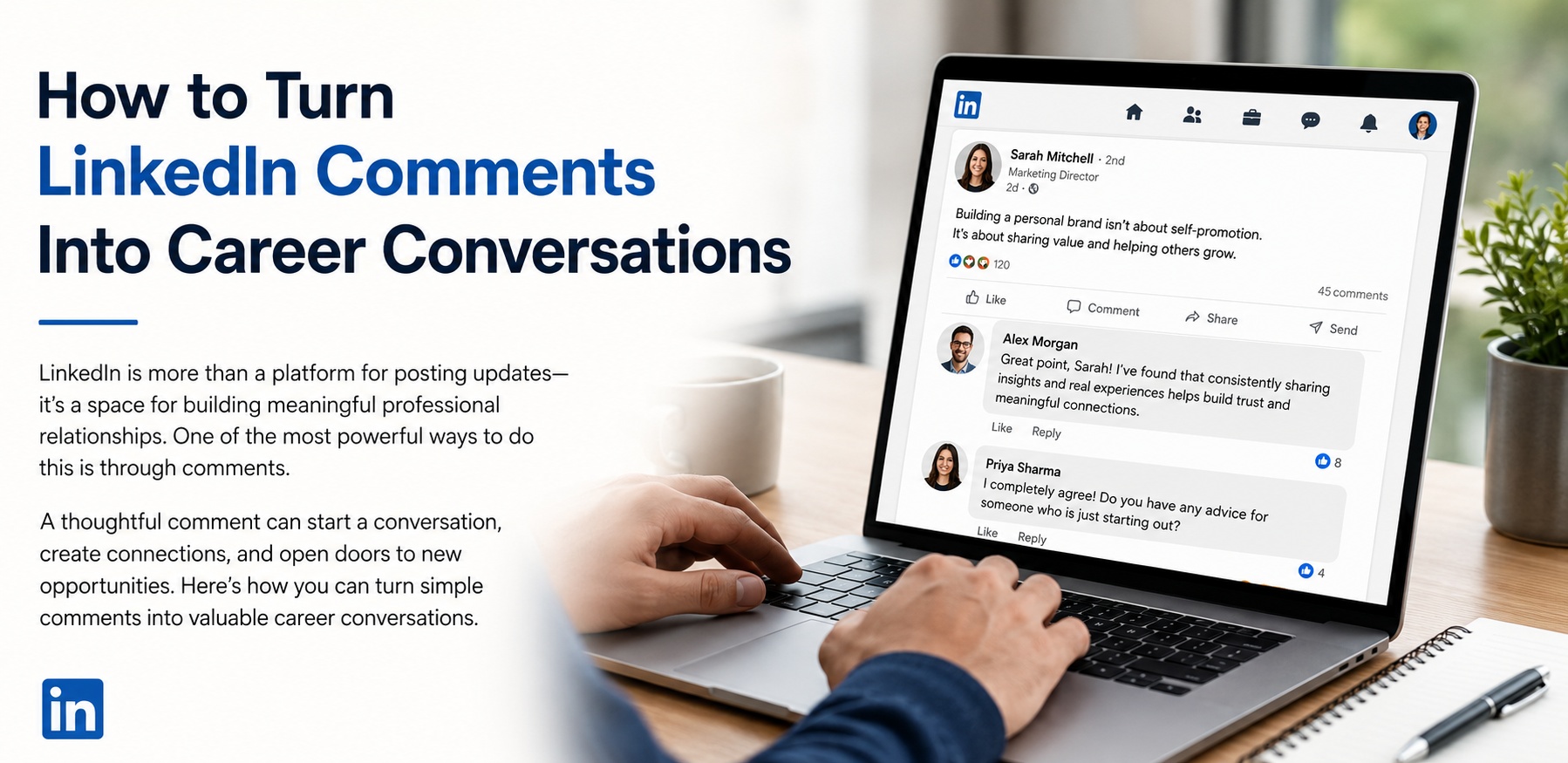
LinkedIn remains one of the most effective platforms for organic recruitment.
Maintain an active company presence by sharing:
- Employee achievements
- Company milestones
- Hiring announcements
- Industry insights
- Educational articles
- Workplace initiatives
Encourage employees to engage with company content and share their own professional experiences.
Consistent activity helps increase visibility among prospective candidates.
Encourage Employee Advocacy
Employees can significantly expand the reach of your talent brand.
Support employee advocacy by encouraging team members to:
- Share company achievements
- Celebrate project successes
- Publish professional insights
- Participate in industry discussions
- Recommend open positions
Authentic employee-generated content often performs better than traditional corporate messaging because it builds trust through real experiences.
Optimize Your Career Page
Your careers page should do more than list vacancies. It should communicate your organization’s culture, mission, and employee experience.
Include information such as:
- Company values
- Team introductions
- Career development opportunities
- Employee benefits
- Learning and mentorship programs
- Flexible work options
- Recruitment process overview
A well-designed careers page helps candidates decide whether your organization aligns with their goals before they apply.
Support Remote Work and Flexible Careers
Many professionals actively seek employers that offer flexible work arrangements.
If your organization supports remote or hybrid work, highlight:
- Flexible schedules
- Digital collaboration practices
- Remote onboarding
- Virtual learning opportunities
- Employee wellness initiatives
- Global career opportunities
Some remote roles may occasionally require travel for client meetings, conferences, or team events. Providing clear guidance on company travel policies and travel testing requirements demonstrates thoughtful planning and helps employees prepare for business travel.
Organizations promoting flexible work arrangements often attract a broader and more diverse talent pool.
Employers seeking to reach candidates worldwide can also leverage the best job tool, a global job platform that connects organizations with professionals looking for remote, hybrid, and international opportunities.
Improve Productivity in Your Recruitment Process
An effective talent brand is reinforced by an efficient hiring experience.
Enhance productivity by:
Responding Quickly to Candidates
Timely communication demonstrates professionalism and respect for applicants.
Simplifying the Application Process
Avoid lengthy forms and unnecessary steps that may discourage qualified candidates.
Standardizing Interviews
Use structured interview questions and evaluation criteria to Campaigns ensure consistency and fairness.
Collect Candidate Feedback
Ask applicants about their recruitment experience to identify opportunities for improvement.
Positive candidate experiences strengthen your employer reputation, even among individuals who are not hired.
Plan Recruitment Budgets Strategically
Building a talent brand organically is cost-effective, but it still requires thoughtful investment.
Allocate resources toward:
- Career content creation
- Employee development
- Learning programs
- Recruitment technology
- Employer branding initiatives
- Employee recognition
Investing in employee experience often generates stronger long-term returns than relying solely on paid advertising.
Track metrics such as:
- Cost per hire
- Time to fill
- Employee retention
- Referral hiring rates
- Candidate satisfaction
- Offer acceptance rates
These insights help evaluate the effectiveness of your talent branding efforts.
Practical Steps to Build a Strong Talent Brand
Organizations can strengthen their reputation by consistently applying these strategies:
- Define a clear Employer Value Proposition.
- Share authentic employee stories.
- Publish valuable career content regularly.
- Encourage employee advocacy.
- Maintain an active LinkedIn presence.
- Optimize your careers page.
- Provide an excellent candidate experience.
- Highlight learning and career growth opportunities.
- Promote flexible work arrangements where applicable.
- Measure and improve recruitment performance over time.
Companies looking to expand their hiring reach organically can also use the best job tool, a global job platform that helps employers connect with qualified professionals across multiple industries and locations.
Future Trends in Talent Branding
Talent branding continues to evolve alongside changes in recruitment and workplace expectations.
Emerging trends include:
- Skills-based hiring
- AI-assisted recruitment
- Employee-generated content
- Personalized candidate experiences
- Remote-first recruitment strategies
- Employer transparency
- Learning-focused workplace cultures
- Community-driven recruitment
Organizations that embrace these trends while maintaining authenticity will continue attracting high-quality talent without excessive marketing spend.
Conclusion
Building a strong talent brand without paid campaigns is entirely achievable through authenticity, consistency, and a genuine commitment to employee experience. By defining a clear employer value proposition, showcasing employee stories, creating educational content, supporting flexible work, and maintaining productive recruitment processes, organizations can establish a reputation that attracts skilled professionals organically.
Long-term success also depends on thoughtful financial planning, continuous investment in employee development, preparation for remote collaboration and travel testing requirements Campaigns when needed, and ongoing measurement of recruitment outcomes.
As job seekers place greater emphasis on workplace culture, career development, and trust, companies that invest in organic talent branding will be well positioned to attract, engage, and retain exceptional professionals. Platforms like the best job tool can further support these efforts by connecting employers with global talent seeking meaningful career opportunities.



Leave a Reply