Introduction
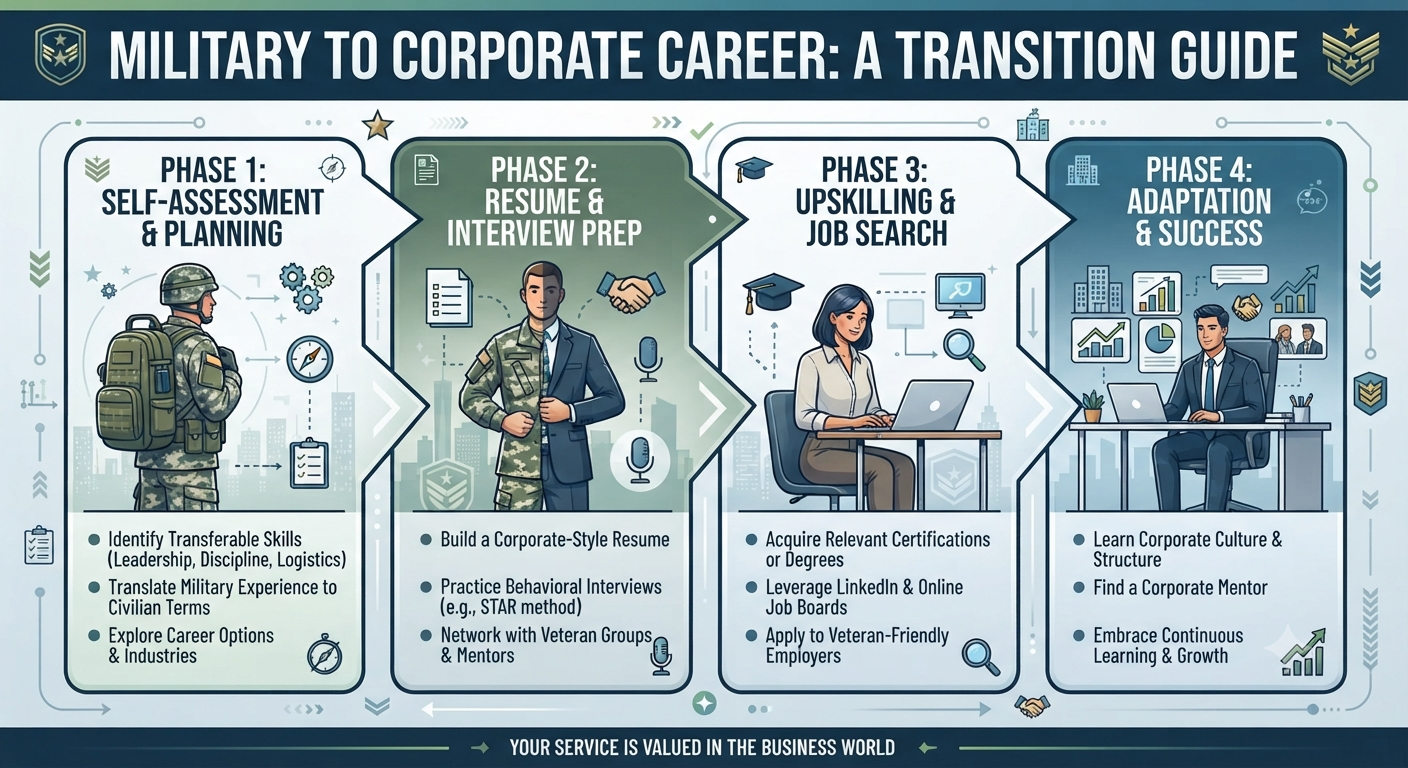
Transitioning from military service to a corporate career is one of the most significant professional changes many veterans will experience. While military personnel possess exceptional leadership, discipline, problem-solving, and operational skills, adapting those strengths to the corporate environment requires careful planning and a new approach to career development.
The good news is that employers across industries increasingly recognize the value veterans bring to the workplace. Organizations seek professionals who can lead teams, manage high-pressure situations, execute complex projects, and maintain accountability. The challenge is learning how to communicate military experience in business terms while developing skills that align with corporate expectations.
Whether you’re planning your transition months before leaving the military or have recently entered civilian life, this guide provides practical strategies for building a successful corporate career. It also explores how remote work, travel testing, productivity, and financial planning can support a smoother transition.
Understand How Your Military Experience Translates to Business
One of the biggest mistakes transitioning service members make is assuming employers automatically understand military responsibilities. Most recruiters are unfamiliar with military terminology, ranks, and operational achievements.
Instead of describing military duties, focus on transferable business skills such as:
- Leadership and team management
- Strategic planning
- Operations management
- Project coordination
- Crisis management
- Risk assessment
- Process improvement
- Training and mentoring
- Resource management
- Cross-functional collaboration
For example, rather than listing military job titles, explain measurable accomplishments, leadership responsibilities, and operational outcomes using business-friendly language.
Identify Corporate Roles That Match Your Skills
Military experience opens opportunities across multiple industries. The key is identifying positions that align with your strengths rather than searching only for veteran-specific jobs.
Popular career paths include:
- Project Manager
- Operations Manager
- Supply Chain Specialist
- Program Manager
- Security Manager
- Business Operations Analyst
- Human Resources Manager
- Customer Success Manager
- Risk and Compliance Specialist
- IT and Cybersecurity Professional
Research different industries and compare job descriptions to your experience. Many veterans discover they qualify for leadership roles they initially overlooked.
Learn the Corporate Skills Employers Expect
Although military experience provides a strong professional foundation, corporate employers also expect familiarity with modern workplace tools and business practices.
Important Skills to Develop
Business Communication
Improve your ability to write professional emails, reports, and presentations while adapting your communication style for corporate audiences.
Digital Collaboration
Learn platforms such as:
- Microsoft Teams
- Slack
- Zoom
- Google Workspace
- Notion
- Asana
- Jira
Project Management
Understanding Agile, Scrum, Lean, or traditional project management methodologies can significantly improve your competitiveness.
Data and Analytics
Basic knowledge of Excel, Power BI, Google Analytics, or business reporting tools adds value across many industries.
Professional Networking
Unlike military assignments, many corporate opportunities come through networking and professional relationships.
Continuous learning demonstrates adaptability and commitment to long-term career growth.
Build a Resume That Speaks the Language of Recruiters
A military résumé often requires significant restructuring before applying for civilian positions.
Focus on achievements rather than military terminology.
Include:
- Quantifiable accomplishments
- Leadership examples
- Budget responsibilities
- Team size managed
- Operational improvements
- Training initiatives
- Awards relevant to leadership or performance
Avoid excessive military acronyms that civilian recruiters may not understand.
Tailor every résumé to the specific job description and incorporate relevant keywords for Applicant Tracking Systems (ATS).
Test Remote Work Before Committing to a New Career
Remote work has become increasingly common across corporate industries, creating new opportunities for veterans seeking flexibility and geographic freedom.
Before accepting a permanent position, consider testing remote work through:
- Contract projects
- Freelance consulting
- Temporary assignments
- Part-time corporate roles
- Virtual internships
Benefits include:
- Understanding remote collaboration
- Improving digital communication
- Building civilian work experience
- Expanding your professional network
- Exploring different industries before making a long-term commitment
Using a trusted best job tool, a global job platform, can help veterans discover remote opportunities with companies actively seeking experienced professionals from diverse backgrounds.
Testing different work environments reduces uncertainty and improves long-term career satisfaction.
Improve Productivity During Your Career Transition
Leaving military service often means managing multiple priorities simultaneously, including education, certifications, job applications, networking, and family responsibilities.
A structured weekly routine helps maintain momentum.
Example Weekly Schedule
Monday
- Research companies
- Update résumé
Tuesday
- Complete online courses
- Practice interview questions
Wednesday
- Network on LinkedIn
- Attend virtual events
Thursday
- Apply for jobs
- Follow up with recruiters
Friday
- Work on certifications
- Review career progress
Weekend
- Portfolio development
- Interview preparation
- Industry research
Productivity Tips
- Set weekly career goals.
- Track every job application.
- Customize your résumé for each position.
- Schedule networking activities.
- Continue learning new business skills.
- Maintain a healthy work-life balance.
Consistency is more valuable than applying for hundreds of jobs without a clear strategy.
Create a Financial Plan Before Leaving Military Service
Financial preparation is one of the most important aspects of a successful career transition.
Income may fluctuate during the first few months of civilian employment, making advance planning essential.
Build an Emergency Fund
Aim to save:
- Three to six months of living expenses
- Additional funds if relocating or changing industries
Review Monthly Expenses
Evaluate:
- Housing costs
- Transportation
- Insurance
- Loan payments
- Subscriptions
Reducing unnecessary expenses increases financial flexibility.
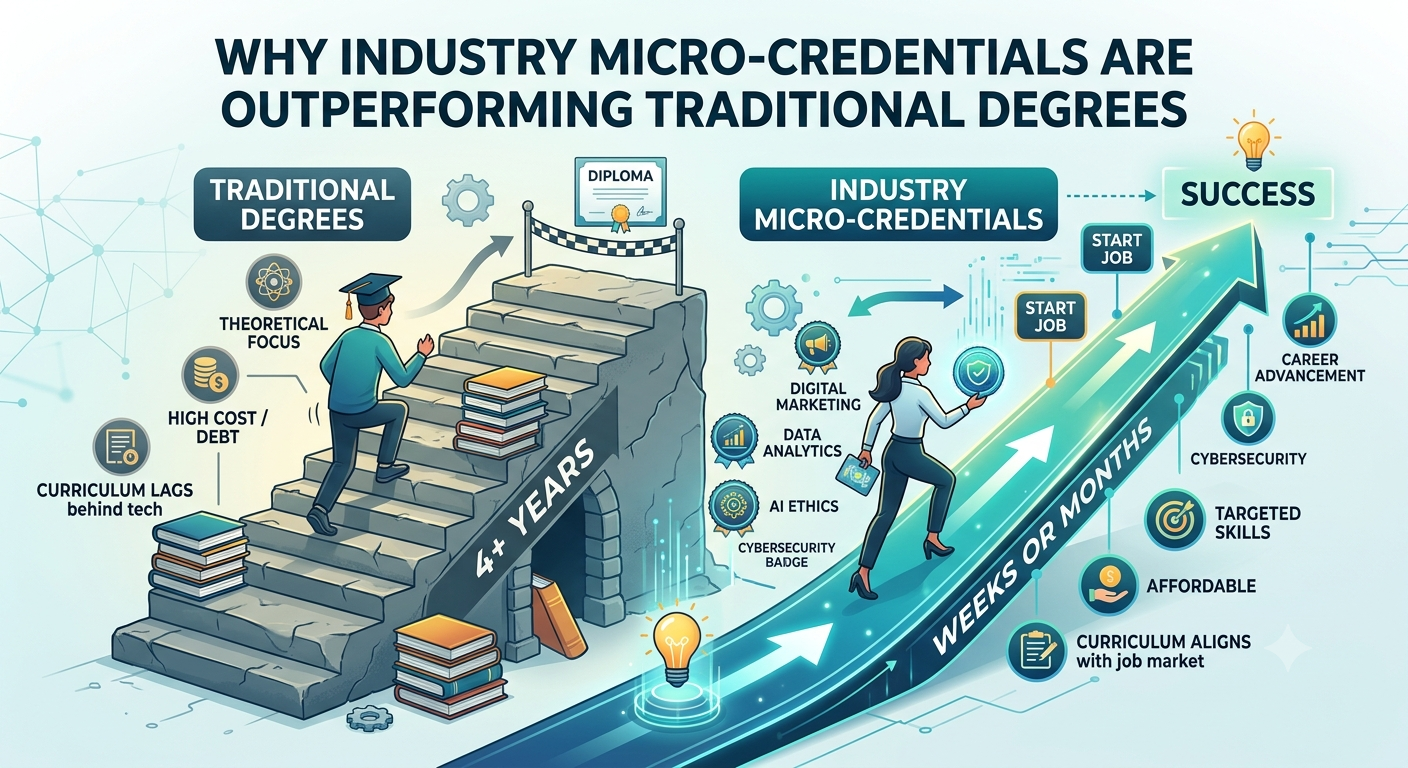
Invest in Professional Development
Consider budgeting for:
- Industry certifications
- Resume services
- Interview coaching
- Technical courses
- Professional memberships
These investments often improve employability and increase long-term earning potential.
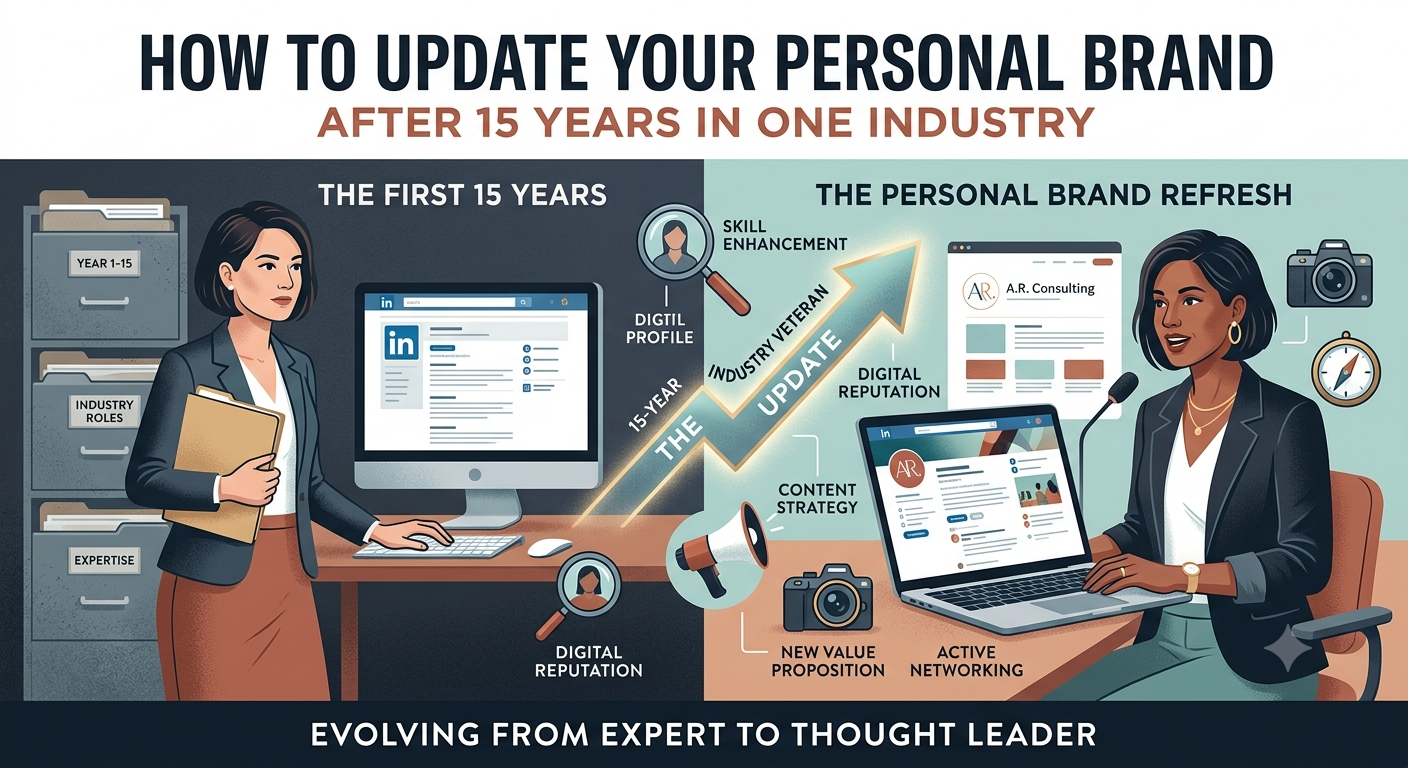
Build Your Professional Brand and Expand Your Network
Many successful corporate careers begin through referrals and professional relationships rather than online applications alone.
Strengthen your professional presence by:
- Optimizing your LinkedIn profile
- Sharing industry insights
- Connecting with veteran employee groups
- Participating in professional associations
- Attending virtual networking events
- Following companies that hire veterans
Request informational interviews with professionals already working in your target industry to better understand corporate expectations.
When you’re ready to begin your search, using a reliable best job tool allows you to explore global opportunities, remote positions, and veteran-friendly employers while simplifying your application process.
Conclusion
Transitioning from military service to a corporate career is a journey that requires preparation, adaptability, and continuous learning. The leadership, discipline, and operational expertise gained through military service provide an outstanding foundation for success in business. By translating your experience into corporate language, developing relevant business skills, building a strong professional network, and planning your finances carefully, you can position yourself for long-term career growth.
Take advantage of remote work opportunities, test different industries when possible, and continue investing in your professional development. As you begin your civilian career, consider using the best job tool, a global job platform that connects professionals with remote, hybrid, and international opportunities across multiple industries. Combined with strategic planning and consistent effort, it can help you confidently transition into a rewarding corporate career.



Leave a Reply