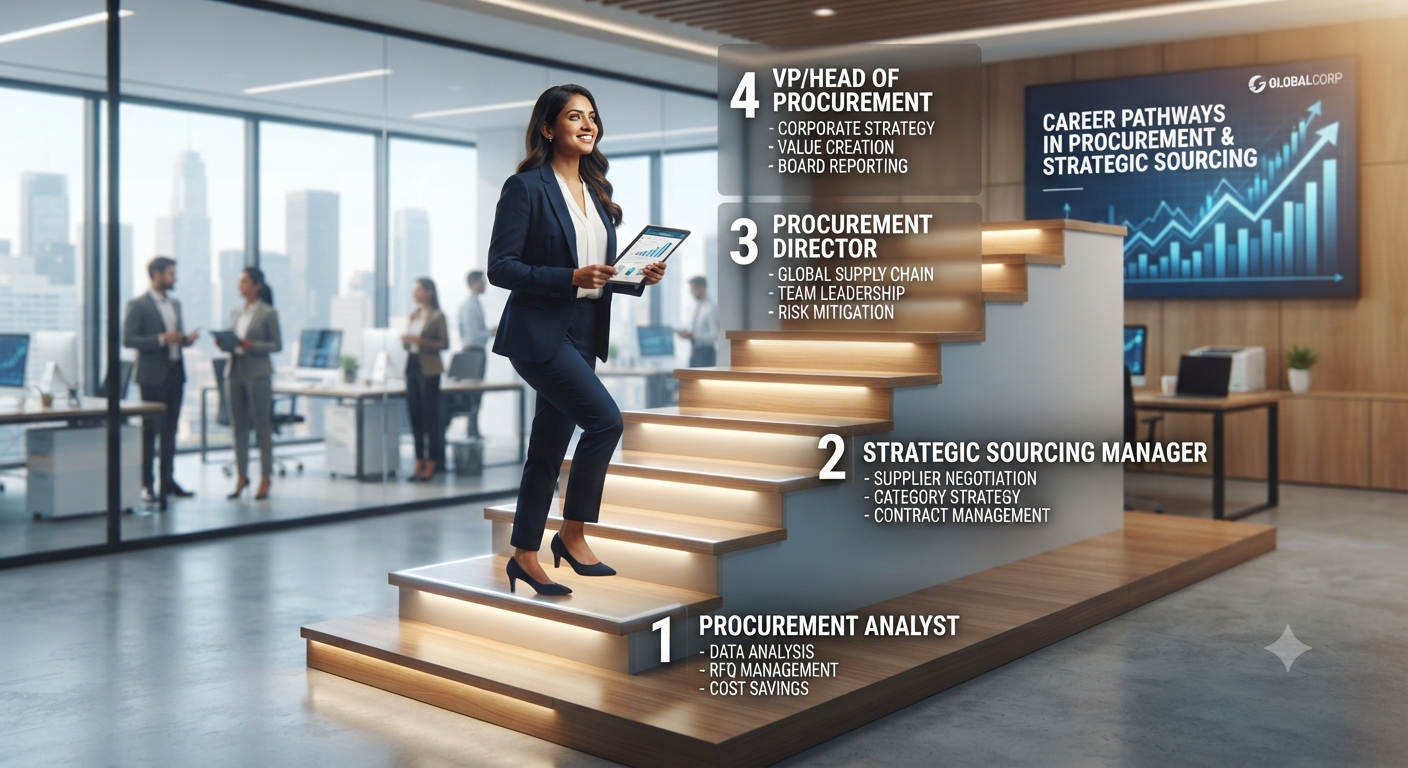
Procurement and strategic sourcing have evolved from traditional purchasing functions into important business disciplines that influence cost, supplier performance, operational continuity, risk, and long-term growth. As companies operate across global supply chains, professionals in these fields increasingly work with finance, operations, technology, legal, quality, and executive teams.
A career in procurement can therefore offer multiple paths. Professionals can specialize in strategic sourcing, supplier management, category management, procurement analytics, contract management, or procurement technology. With experience, they can also progress into procurement leadership and broader supply chain management.
For professionals considering this field, understanding the different career paths, required skills, remote-work opportunities, travel expectations, productivity practices, and financial considerations can make career planning more structured.
Understand Procurement and Strategic Sourcing
Procurement refers to the broader process of acquiring goods and services that an organization needs to operate. Strategic sourcing focuses more specifically on analyzing spending, evaluating suppliers, negotiating agreements, and developing purchasing strategies that support business objectives.
Although the terms are related, the responsibilities can vary significantly between organizations.
Procurement professionals may manage:
- Supplier selection
- Purchase orders
- Contract administration
- Vendor relationships
- Cost analysis
- Procurement policies
- Supplier performance
- Risk management
- Compliance
- Spend management
Strategic sourcing professionals typically focus more heavily on long-term decisions.
Their work may involve analyzing categories of spending, identifying potential suppliers, conducting competitive bidding, negotiating commercial terms, and developing supplier strategies.
This distinction is useful when searching for jobs because similar responsibilities may appear under different titles.
Explore Different Procurement Career Paths
Procurement offers several areas of specialization. Your preferred path can depend on your analytical ability, industry interests, communication style, and long-term management goals.
Common roles include:
- Procurement Analyst
- Purchasing Specialist
- Buyer
- Sourcing Specialist
- Strategic Sourcing Analyst
- Category Manager
- Procurement Manager
- Supplier Relationship Manager
- Contract Manager
- Procurement Operations Specialist
- Procurement Data Analyst
- Supply Chain Manager
A procurement analyst may focus heavily on spend data and reporting, while a category manager may be responsible for developing a sourcing strategy across an entire category.
Supplier relationship management is another specialized path. It involves monitoring supplier performance, managing business relationships, resolving issues, and identifying opportunities for improvement.
Professionals with strong technology skills may also move toward procurement technology, where they help organizations implement sourcing platforms, automation tools, analytics systems, and digital procurement processes.
Build the Skills Employers Expect
Procurement professionals need a combination of analytical, commercial, communication, and organizational skills.
Financial understanding is particularly important because procurement decisions can directly affect company costs and margins.
Focus on developing skills such as:
- Spend analysis
- Cost modeling
- Negotiation
- Supplier evaluation
- Contract management
- Data analysis
- Market research
- Risk assessment
- Stakeholder communication
- Project management
Technology skills can also strengthen your profile. Become comfortable with spreadsheets, dashboards, ERP systems, procurement software, and data-analysis tools.
For example, strong Excel skills can help you analyze supplier pricing, compare contracts, identify spending patterns, and prepare sourcing recommendations.
However, technical knowledge alone is not enough. Procurement professionals regularly negotiate with suppliers and communicate recommendations to internal stakeholders. Therefore, clear business communication is essential.
Learn Strategic Sourcing and Supplier Management
Strategic sourcing requires a structured approach to supplier decisions.
A typical sourcing process may involve:
- Understanding the business requirement
- Analyzing existing spending
- Researching the supplier market
- Developing sourcing criteria
- Requesting supplier proposals
- Evaluating commercial and operational factors
- Negotiating terms
- Selecting suppliers
- Finalizing contracts
- Monitoring supplier performance
Cost should not be the only consideration. A supplier offering the lowest price may not provide the best overall value if quality, delivery reliability, service, or risk management is weak.
Consider factors such as:
- Total cost
- Quality
- Delivery performance
- Capacity
- Financial stability
- Geographic risk
- Compliance
- Sustainability requirements
- Service levels
- Contract flexibility
This broader approach helps procurement professionals support long-term business objectives rather than focusing only on purchase price.
Build Experience Through Cross-Functional Projects
Procurement is highly collaborative. Professionals frequently work with departments that have different priorities.
For example, finance may focus on cost control, operations may prioritize continuity, quality teams may focus on specifications, and legal teams may focus on contract terms.
Learning to balance these priorities is an important career skill.
Look for opportunities to participate in projects involving:
- Supplier consolidation
- Cost reduction
- New product launches
- Contract renewals
- Supplier onboarding
- Inventory optimization
- Risk assessment
- Process improvement
Document your contribution and measurable outcomes.
For example, instead of simply stating that you “managed suppliers,” highlight the number of suppliers managed, category spend, negotiated savings, delivery improvements, or process efficiencies when those figures are accurate.
These results can make your resume more compelling for future procurement positions.
Remote Work and Travel in Procurement
Procurement has traditionally involved significant supplier interaction, but technology has expanded the number of tasks that can be performed remotely.
Professionals can now conduct many activities through digital systems, including:
- Supplier meetings
- Contract reviews
- Spend analysis
- RFP management
- Performance reporting
- Internal stakeholder meetings
- Procurement planning
However, some procurement positions may still require travel. Supplier audits, factory visits, industry events, negotiations, and strategic supplier meetings can involve onsite work.
Before accepting a position, ask about:
- Expected travel percentage
- Supplier visit frequency
- International travel
- Remote-work arrangements
- Office requirements
- Working across time zones
If you work remotely with international suppliers, schedule meetings carefully and maintain clear documentation. Time-zone differences can otherwise slow down approvals and negotiations.
Travel testing can also be useful before important supplier meetings. Confirm your internet connection, presentation files, procurement systems, and communication tools before traveling.
Improve Procurement Productivity and Financial Awareness
Procurement professionals often manage multiple sourcing projects simultaneously. Strong organization can prevent contract renewals, supplier reviews, and sourcing deadlines from being overlooked.
A practical productivity system should include:
- A centralized supplier calendar
- Contract-renewal reminders
- Sourcing project trackers
- Supplier performance dashboards
- Documented negotiation notes
- Clear approval workflows
- Weekly priority reviews
Automation can also reduce repetitive administrative work. Depending on the company’s systems, routine reporting, purchase-order processes, supplier communications, and approval workflows may be automated.
Financial planning is important when evaluating procurement career opportunities as well.
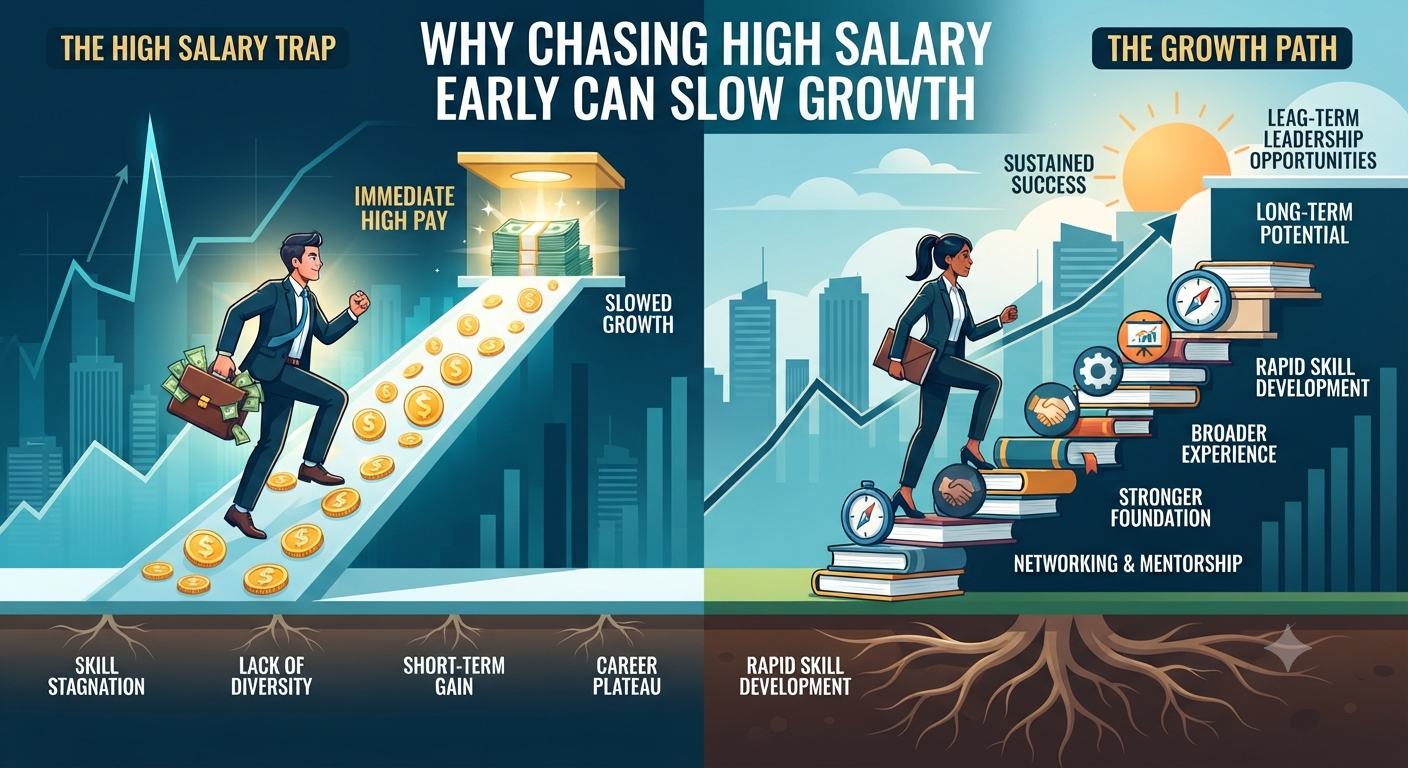
Compare the complete compensation structure rather than focusing only on base salary.
Review:
- Base compensation
- Bonuses
- Performance incentives
- Travel reimbursement
- Professional certifications
- Training support
- Remote-work arrangements
- Relocation requirements
- Career progression
Professionals considering a move should also maintain a realistic personal budget during career transitions. Building an emergency reserve can provide flexibility while adapting to a new role or industry.
Plan Your Long-Term Career Progression
Procurement careers can develop in several directions.
A traditional progression might look like:
Procurement Analyst → Buyer → Senior Buyer → Procurement Manager → Procurement Director
A strategic sourcing pathway could develop as:
Sourcing Analyst → Sourcing Specialist → Category Manager → Senior Category Manager → Head of Strategic Sourcing
Another route can move into supplier management or broader supply chain leadership.
Your career direction should influence the skills you develop.
When searching for opportunities, a global job platform such as best job tool can help professionals explore procurement and strategic sourcing roles across different industries and locations.
Build Industry Expertise and Professional Credibility
Procurement practices can differ significantly between industries. Manufacturing, healthcare, technology, retail, construction, automotive, and financial services all have different supplier requirements and risk considerations.
Choose an industry that interests you and gradually build specialized knowledge.
Study:
- Major suppliers
- Industry cost structures
- Supply chain risks
- Regulatory requirements
- Market trends
- Common procurement categories
- Technology used in the industry
Professional certifications and specialized training can also strengthen credibility, depending on your career goals and target market.
However, certifications should complement practical experience rather than replace it. Employers often want evidence that you can apply procurement concepts to real business situations.
Conclusion
Procurement and strategic sourcing offer diverse career paths for professionals who enjoy analysis, negotiation, business strategy, and supplier management. Opportunities exist across purchasing, sourcing, category management, supplier relationships, contract management, procurement analytics, and procurement technology.
The first step is to understand which area matches your interests and existing capabilities. Then develop core skills in spend analysis, negotiation, supplier evaluation, contract management, data analysis, and stakeholder communication.
Cross-functional projects can provide valuable practical experience, while measurable achievements can strengthen your professional profile. Remote technology has also made many procurement activities more flexible, although supplier visits, audits, and international negotiations may still require travel.
Productivity systems and financial planning can further support career development, particularly when managing multiple sourcing projects or considering a new position.
With continuous learning and progressively broader responsibilities, procurement professionals can move from operational purchasing roles toward strategic sourcing, category leadership, procurement management, and broader supply chain positions. A global job platform such as best job tool can also help professionals identify relevant procurement opportunities across companies, industries, and locations.



Leave a Reply