
Vendor management and outsourcing operations have become essential functions for organizations that rely on external suppliers, service providers, technology partners, and specialized contractors. Companies outsource everything from customer support and IT services to logistics, finance, manufacturing, recruitment, and business-process operations.Career Options
This creates career opportunities for professionals who can manage supplier relationships, monitor service performance, negotiate contracts, control costs, resolve operational issues, and coordinate multiple stakeholders.
Unlike traditional procurement roles, vendor management often continues after a contract is signed. Professionals are responsible for ensuring that vendors deliver against agreed expectations and that outsourcing arrangements create measurable business value.
The field also offers opportunities across industries and work arrangements. Some positions are office-based or site-based, while others involve remote vendor coordination, analytics, contract administration, and global stakeholder management.
For professionals considering this career path, understanding the available roles and developing the right combination of commercial, analytical, communication, and operational skills can provide a practical route into the industry.Career Options
1. Understand What Vendor Management and Outsourcing Operations Involve
Vendor management is the process of managing relationships and performance between an organization and its external suppliers or service providers.
Outsourcing operations involve transferring specific business activities to an external organization while maintaining accountability for service quality, costs, and business outcomes.
Typical vendor-management responsibilities include:Career Options
- Supplier onboarding
- Contract administration
- Service-level agreement monitoring
- Vendor performance reviews
- Cost tracking
- Issue resolution
- Risk management
- Compliance monitoring
- Relationship management
- Performance reporting
For example, a company may outsource customer support to an external service provider. A vendor manager may monitor response times, customer satisfaction, staffing levels, escalation rates, and contractual performance.
The role requires both relationship management and operational discipline.
A successful vendor manager should be able to maintain a productive relationship while also holding the supplier accountable for agreed performance standards.
2. Explore Career Options Across Different Specializations
Vendor management is not a single career path. Professionals can specialize according to Options their interests and existing experience.
Vendor Management Specialist
These professionals monitor supplier performance, conduct reviews, manage issues, and maintain vendor relationships.
Vendor Operations Analyst
This role is more data-focused. Analysts track vendor KPIs, identify performance trends, prepare reports, and support decision-making.
Outsourcing Manager
Outsourcing managers oversee external service arrangements and coordinate Options internal stakeholders with third-party providers.
Supplier Relationship Manager
This position focuses heavily on strategic supplier relationships, performance improvement, negotiations, and long-term partnerships.
Contract Management Specialist
Contract professionals focus on agreements, renewals, obligations,Career Options compliance, documentation, and commercial terms.
Procurement and Vendor Management Professional
These roles combine sourcing and supplier-management responsibilities, including vendor selection, negotiations, and ongoing performance monitoring.
Third-Party Risk Specialist
Organizations increasingly need professionals who can assess risks associated with external providers, including operational, financial, cybersecurity, and compliance risks.
Understanding these specializations helps you identify the skills you should develop rather than applying broadly to every vendor-related position.
3. Develop the Skills Employers Look For
Strong vendor-management professionals combine business knowledge with communication and analytical capabilities.
Negotiation and Communication
Vendor managers regularly negotiate pricing, timelines, service improvements, and contractual expectations.
Strong communication involves more than being persuasive. You need to clearly define requirements, document agreements, manage disagreements, and maintain professional relationships.
Data Analysis
Vendor performance should be measured objectively.Options
Learn how to analyze:
- Service-level performance
- Cost trends
- Quality metrics
- Delivery performance
- Customer satisfaction
- Contract utilization
- Issue-resolution times
Excel is an important starting point. Power BI, SQL, or other analytical tools can further strengthen your profile.
Contract Knowledge
You should understand basic contract concepts such as:Career Options
- Service-level agreements
- Key performance indicators
- Pricing structures
- Renewal terms
- Penalties
- Escalation procedures
- Termination conditions
- Compliance requirements
You do not necessarily need to be a lawyer. However, understanding how commercial agreements affect operational responsibilities is extremely useful.
Risk Management
External suppliers can create operational risks. Learn how organizations evaluate vendor reliability, business continuity, data security, compliance, and financial stability.
These skills become increasingly valuable as companies depend on larger and more complex supplier networks.
4. Build Practical Experience Before Moving Into Senior Roles
You do not necessarily need direct vendor-management experience to enter the field.
Several adjacent roles can provide relevant experience, including:
- Procurement coordinator
- Operations coordinator
- Supply chain analyst
- Customer success specialist
- Contract administrator
- Purchasing analyst
- Project coordinator
- Business operations analyst
- Supplier quality coordinator
Look for opportunities to interact with external Options suppliers in your current position.
For example, you could assist with:
- Vendor onboarding
- Performance reports
- Invoice reconciliation
- Service reviews
- Contract documentation
- Supplier communications
- Issue tracking
You can also create a practical portfolio project.
Build a sample vendor-performance dashboard containing:
- Vendor name
- Contract value
- SLA performance
- Delivery accuracy
- Issue volume
- Resolution time
- Customer feedback
- Renewal date
Then identify which suppliers require attention and explain why.
This demonstrates that you understand how vendor data supports management decisions.
5. Explore Remote and Global Vendor Management Opportunities
Vendor management can be well suited to remote and hybrid work because many responsibilities involve communication, documentation, analytics, meetings, and contract coordination.
Potentially remote-friendly positions include:
- Vendor operations analyst
- Supplier performance analyst
- Contract administrator
- Procurement analyst
- Outsourcing coordinator
- Third-party risk analyst
- Vendor relationship manager
- Business operations specialist
Remote vendor management requires strong communication Career Options because misunderstandings can become expensive when teams operate across countries and time zones.
Develop clear digital workflows for:
- Meeting notes
- Action items
- Contract deadlines
- Performance reviews
- Escalations
- Vendor documentation
- KPI reporting
Professionals managing international suppliers should also become comfortable working across different time zones and business cultures.
For professionals searching globally, best job tool, a global job platform, can help identify vendor-management and operations opportunities across different markets.
6. Use Travel Testing to Evaluate International Outsourcing Markets
Outsourcing operations are often international. Companies may work with service providers in different countries because of cost, talent availability, language capabilities, technology infrastructure, or specialized expertise.
If you are considering an international career, travel testing can help you understand a potential market before relocating permanently.
During a short professional trip, research:
- Business hubs
- Outsourcing industries
- Local labor markets
- Professional networking opportunities
- Cost of living
- Transportation
- Internet infrastructure
- Business culture
You can also explore local professional events and speak with people working in procurement, outsourcing, shared services, or vendor management.
For remote workers, travel testing can reveal whether a location supports productive international work.
Evaluate:
- Internet reliability
- Workspace options
- Time-zone compatibility
- Transportation
- Daily expenses
- Working-hour requirements
Set a clear travel budget before the trip. Include accommodation, transportation, meals, workspace, connectivity, and professional networking expenses.
The purpose is to collect practical information before making a major Options career or relocation decision.
7. Build Productivity, Career Growth, and Financial Discipline
Vendor managers often manage multiple suppliers simultaneously. Without an organized system, contract deadlines, performance reviews, escalations, and renewal dates can easily be missed.
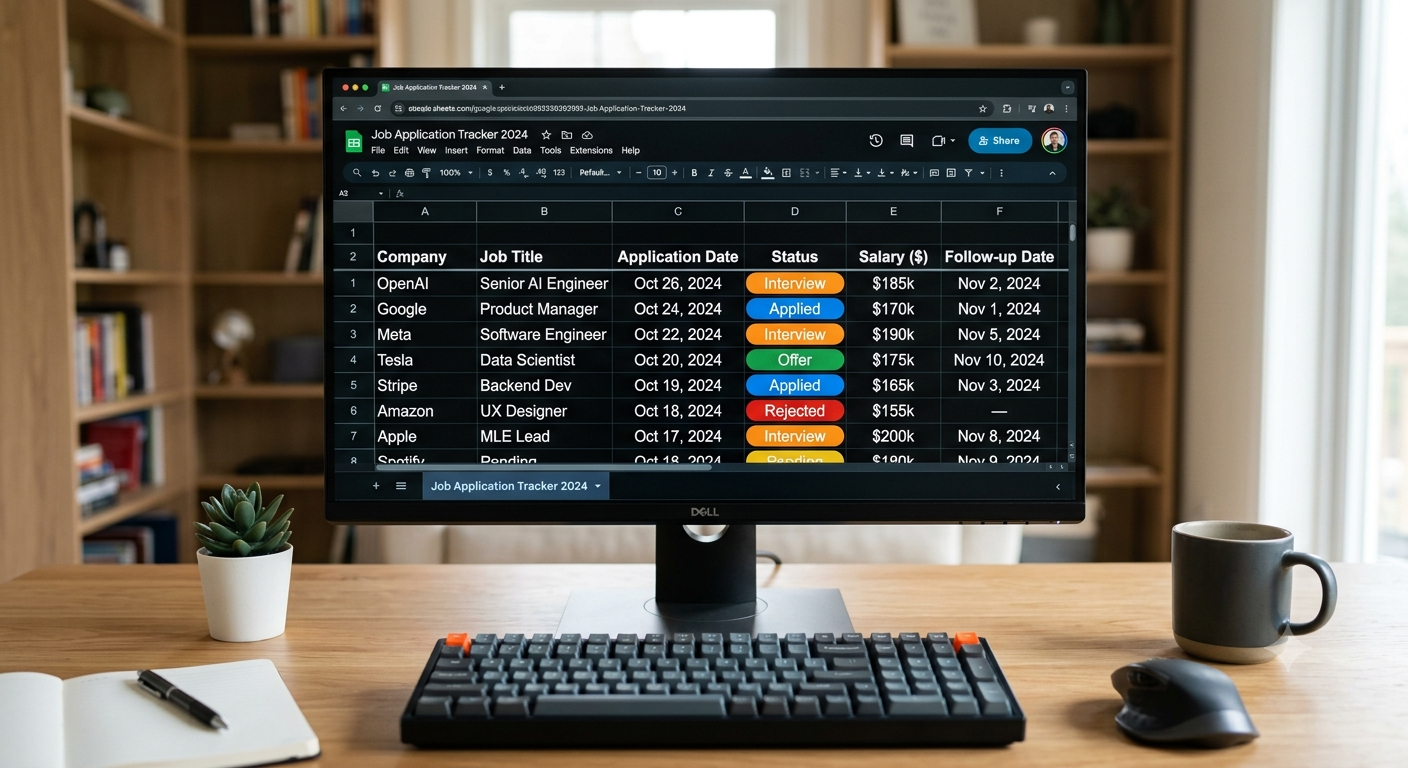
Create a centralized vendor tracker containing:
- Vendor information
- Contract dates
- Renewal deadlines
- SLA targets
- Current performance
- Open issues
- Responsible stakeholders
- Escalation status
Use dashboards to monitor vendors rather than relying entirely on email.
Prioritize suppliers according to:
- Business criticality
- Financial impact
- Service performance
- Risk exposure
- Customer impact
- Contract deadlines
This allows you to focus attention where it can create the greatest business value.
Plan Career Progression
A potential career path could be:
Vendor Coordinator → Vendor Management Specialist → Senior Vendor Manager → Vendor Management Lead → Vendor Management Director
Another path could be:
Procurement Analyst → Supplier Management Specialist → Strategic Supplier Manager → Procurement Manager
Professionals can also move into outsourcing strategy, procurement, contract management, third-party risk, or operations leadership.
Career advancement becomes easier when you can demonstrate measurable results.
For example:
- Reduced supplier costs
- Improved SLA compliance
- Reduced vendor-related complaints
- Shortened issue-resolution time
- Improved contract renewal processes
- Consolidated suppliers
- Improved reporting efficiency
Manage Your Finances
Career development may involve training, certifications, travel, or relocation. Create a realistic budget before making these investments.
Consider:
- Certification costs
- Training expenses
- Travel
- Relocation
- Emergency savings
- Workspace expenses
- Technology
- Accommodation
- Transportation
- Taxes
- Currency fluctuations
Do not evaluate international opportunities only by their headline salary. Compare purchasing power, living costs, benefits, career progression, and work flexibility.
For professionals expanding their global job search, best job tool can support the process of identifying opportunities across locations and work arrangements.
Conclusion: Build a Career Around Relationships, Data, and Business Value
Vendor management and outsourcing operations offer diverse career opportunities for professionals who can combine relationship management with analytical and commercial thinking.
Start by understanding how vendor relationships work, including contracts, SLAs, KPIs, costs, risk, and performance management. Then build skills in negotiation, data analysis, communication, contract administration, and operational problem-solving.
If you lack direct vendor-management experience, use procurement, operations, customer service, project coordination, or business-analysis roles to develop relevant capabilities. Practical projects such as vendor-performance dashboards can also demonstrate your ability to analyze supplier performance.
Remote and hybrid work can be particularly suitable for analytical, contractual, and relationship-management responsibilities. International outsourcing also creates opportunities to work with global suppliers and distributed teams.
Travel testing can help you evaluate international markets before committing to relocation, while structured productivity systems can help you manage multiple suppliers and deadlines effectively.
Finally, financial planning should remain part of your career strategy. Evaluate training and relocation decisions based on their long-term professional value rather than making decisions based only on short-term opportunities.
The strongest vendor-management professionals do more than maintain supplier relationships. They use data, contracts, communication, and operational insight to improve performance, reduce risk, control costs, and create measurable value for the organization.





Leave a Reply