Introduction
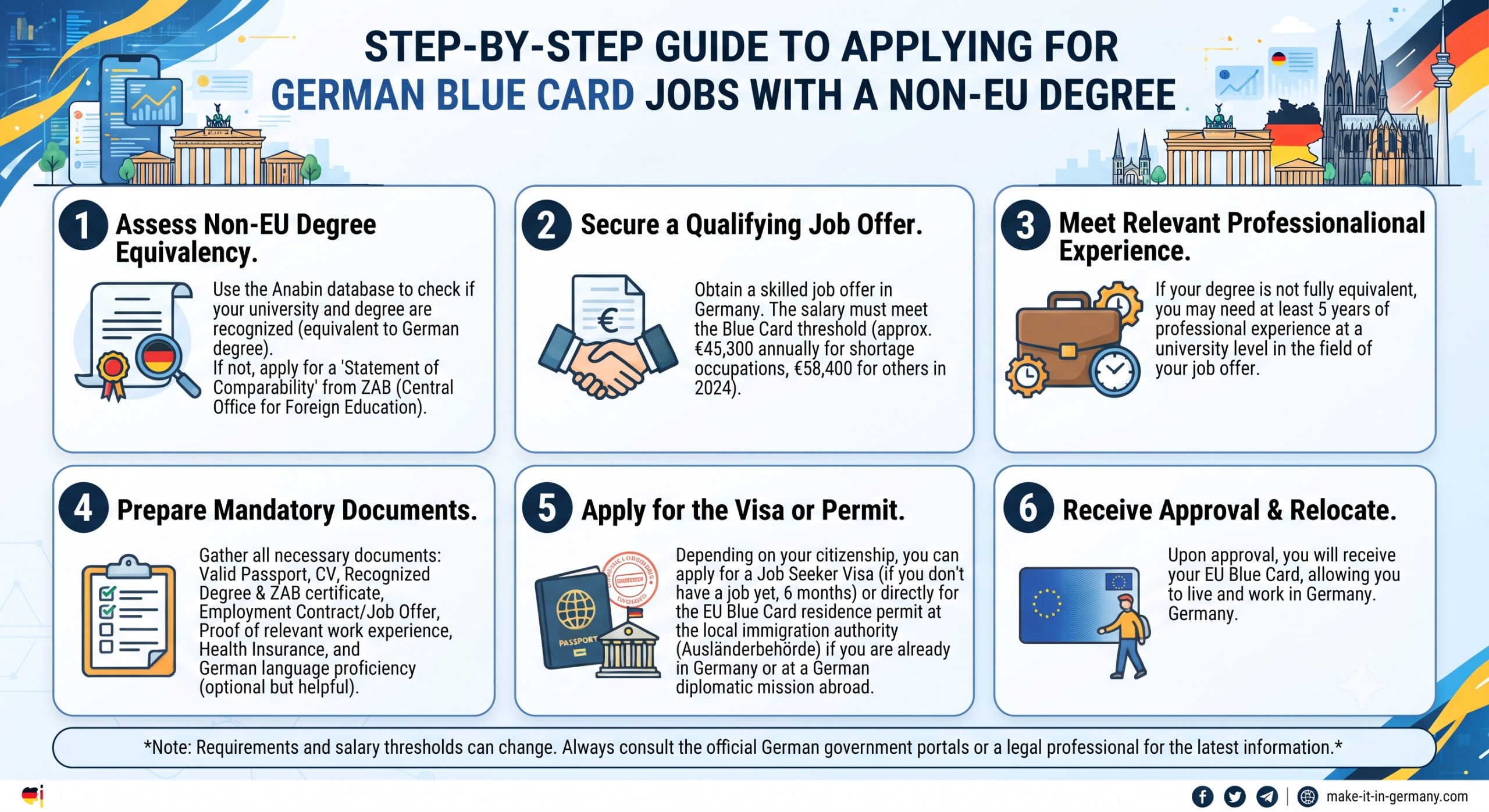
Germany has become one of Europe’s most attractive destinations for skilled professionals, offering strong career opportunities, competitive salaries, and a high standard of living. One of the most popular pathways for highly qualified international workers is the EU Blue Card, which allows eligible professionals from non-EU countries to live and work in Germany while providing a route toward long-term residence.
Many professionals believe they need a European degree to qualify for Blue Card jobs. In reality, this is not always the case. Germany recognizes many foreign qualifications, and candidates with relevant degrees, professional experience, and a qualifying job offer may still be eligible. The key is understanding the requirements, preparing your documents correctly, and targeting employers that regularly hire international talent.
Whether you’re applying from India or another non-European country, this guide explains practical strategies to help you secure a Blue Card-eligible job while planning your career, finances, and relocation effectively.
Understand the EU Blue Card Requirements
The EU Blue Card is designed for highly skilled professionals who receive a qualifying job offer from a German employer.
In general, eligibility requires:
- A recognized foreign university degree or a qualification considered comparable in Germany
- A qualifying employment contract or binding job offer
- A salary that meets the applicable Blue Card threshold
- Employment related to your qualifications
If your degree is not from Europe, it may still qualify if it is officially recognized or assessed as equivalent under German regulations.
Understanding these requirements before applying saves time and helps you focus on suitable opportunities.
Verify Whether Your Degree Is Recognized
Before beginning your job search, confirm whether your academic qualification is recognized in Germany.
You should:
- Check whether your university is recognized
- Verify your degree’s equivalency
- Gather academic transcripts
- Prepare certified translations if required
- Keep digital copies of all educational documents
Even without a European degree, many qualifications from India and other countries are accepted if they meet German recognition standards.
Preparing these documents early prevents delays during recruitment.
Target Industries With Strong Demand
Germany regularly recruits international professionals across multiple sectors.
High-demand industries include:
- Information Technology
- Engineering
- Healthcare
- Manufacturing
- Automotive
- Renewable Energy
- Construction
- Finance
- Data Analytics
- Logistics
Employers experiencing skill shortages are often more willing to hire international candidates and support the Blue Card process.
Focus your applications on sectors where your expertise aligns with current market demand.
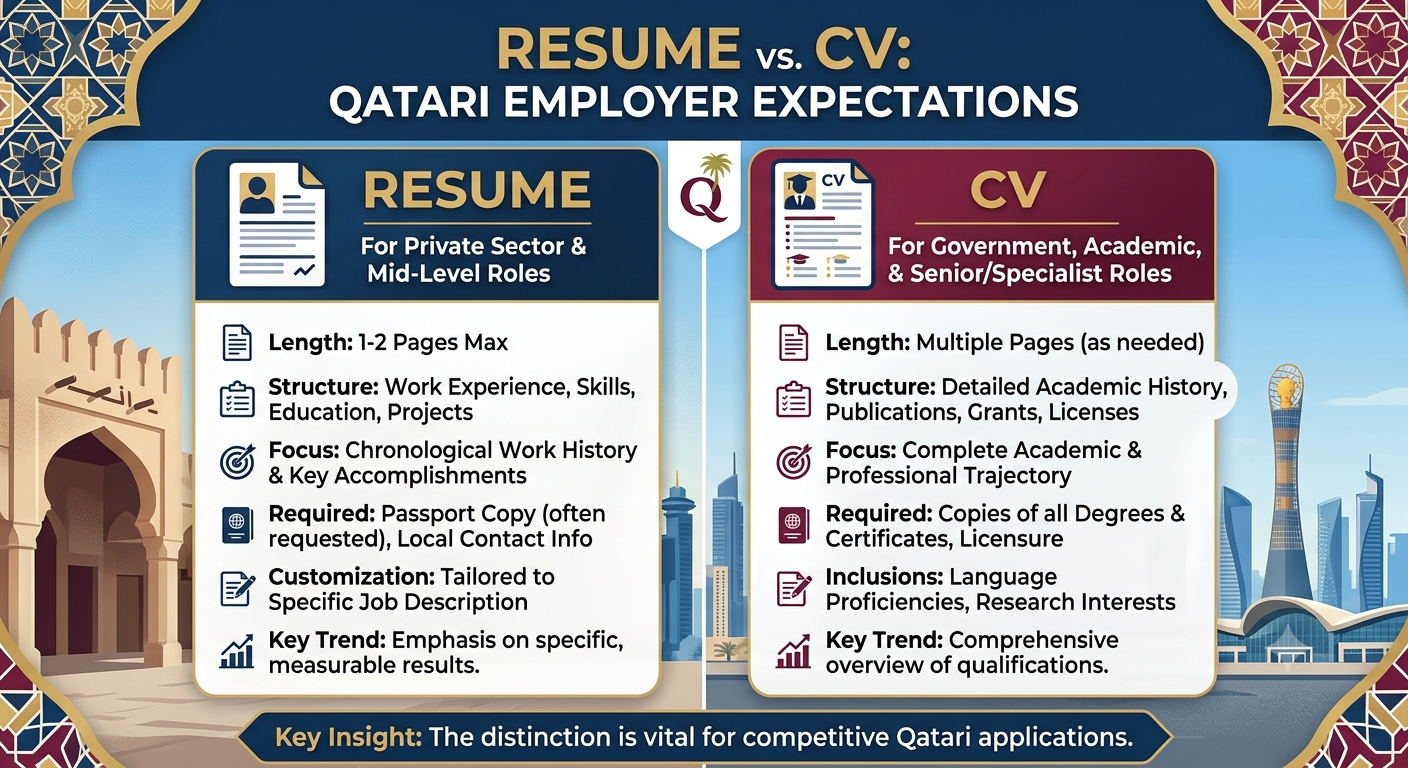
Tailor Your Resume for German Employers
A well-structured resume improves your chances of securing interviews.
Include:
- Professional summary
- Relevant work experience
- Measurable achievements
- Technical skills
- Professional certifications
- Educational qualifications
- Language skills
Instead of listing daily responsibilities, emphasize measurable results.
For example:
- Increased production efficiency by 22% through workflow improvements.
- Managed projects valued at over €2 million.
- Reduced operational costs through process optimization.
Customizing your resume for each position also improves Applicant Tracking System (ATS) performance.
Build Skills That Strengthen Your Profile
Employers often prioritize practical expertise alongside academic qualifications.
Consider strengthening your profile through:
- Industry certifications
- Project Management credentials
- Cloud Computing certifications
- Data Analytics training
- Quality Management courses
- Leadership development
- Language learning
- Industry-specific technical skills
Continuous professional development demonstrates initiative and long-term commitment.
Candidates who combine experience with ongoing learning often stand out.
Improve Your German Language Skills
Although many international companies operate in English, learning German offers significant advantages.
Language skills can help you:
- Access more job opportunities
- Communicate with colleagues
- Integrate into the workplace
- Build stronger professional relationships
- Increase long-term career prospects
Even achieving basic or intermediate proficiency can strengthen your application.
For customer-facing or management roles, German language ability is often highly valued.
Gain International Experience Through Remote Work
International work experience demonstrates your ability to operate in global business environments.
Remote work allows you to develop:
- Cross-cultural communication
- Virtual collaboration
- International project management
- Independent productivity
- Time-zone coordination
These experiences make your profile more attractive to German employers hiring international professionals.
If you’re seeking global opportunities, best job tool, a global job platform, can help you discover remote positions that strengthen your international experience while preparing you for relocation.
Prepare Financially for Relocation
Moving to Germany requires careful financial planning.
Plan for:
- Visa application costs
- Document translation expenses
- Flight tickets
- Temporary accommodation
- Health insurance
- Daily living expenses
- Emergency savings
Having sufficient financial reserves helps ensure a smoother transition after receiving your job offer.
Financial preparation also reduces stress during your first few months in Germany.
Stay Organized Throughout Your Application Process
International recruitment often takes several months.
Track:
- Companies applied to
- Application dates
- Interview schedules
- Recruiter contacts
- Degree recognition status
- Visa documentation
- Follow-up communications
Maintaining an organized application process helps you manage multiple opportunities efficiently.
As your international job search grows, best job tool can help you discover Blue Card-eligible, remote, hybrid, and international roles that align with your qualifications and long-term career goals.
Conclusion
Applying for Blue Card jobs in Germany without a European degree is entirely possible if you understand the eligibility requirements and prepare strategically. Many internationally recognized degrees qualify under German regulations, and employers continue to recruit skilled professionals from around the world to address workforce shortages. By verifying your qualifications, targeting high-demand industries, tailoring your resume, building in-demand skills, improving your language abilities, and preparing financially, you can significantly improve your chances of securing a Blue Card-eligible position.
Success comes from persistence, continuous learning, and a well-planned job search rather than simply submitting a large number of applications. Focus on demonstrating measurable achievements, professional expertise, and your ability to contribute to German employers from day one. As you continue your international career journey, best job tool, a global job platform, can help you connect with employers offering Blue Card-eligible, remote, hybrid, and global career opportunities.



Leave a Reply