
Introduction: Startup’s Runway
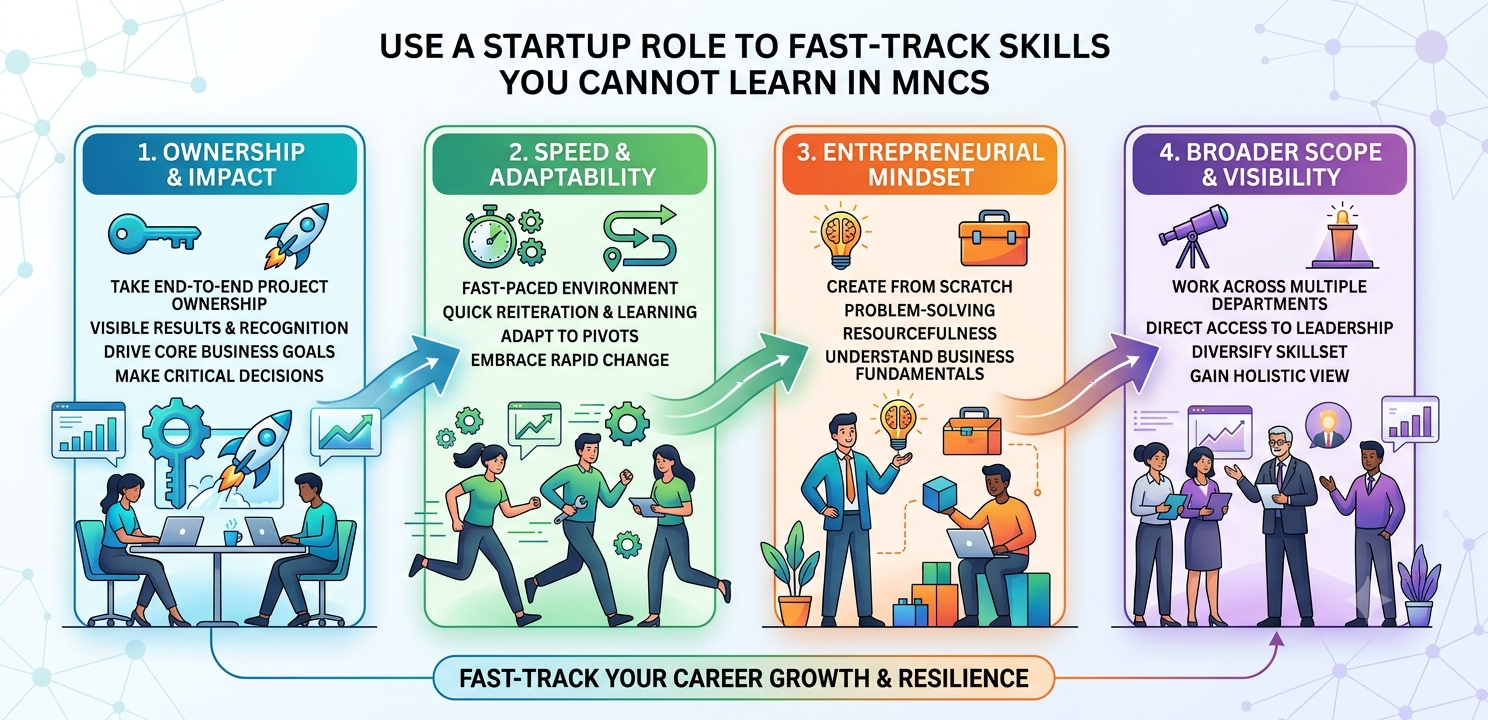
Joining a startup can be fun – there’s an element of risk, more responsibility, faster learning curve, being mentored by the co-founders, and making a bigger impact than you would elsewhere. On the other hand, however, startups tend to hold more financial risk than well-established giants.
This is why How to Evaluate the Runway of a Startup Before Accepting an Offer is an important question for every candidate to ask. Knowing the financial state of the company they’re entering will help them make a more informed decision.
What’s a Startup’s Runway?
Well, that’s the length of time the company can continue operating without going bankrupt or out of business, assuming the spending and revenues stay flat.
For instance, if a company has more expenses than incomes by about $2 million in available cash and spends $200,000 each month, the runway is around 10 months.
But there’s more to evaluating a startup than simply plugging in the numbers. You need to consider cash, revenues, spending, funding, growth, and expenses reduction abilities.
How to Evaluate a Startup’s Runway before Accepting an Offer, Written as a Blog Post?
1. Ask about the company’s funding sources
One of the easiest places to begin is to discover what sources of funding the startup has. Were there any VCs? Were there any private or angel investors who threw their support behind the company? Or has the firm been able to fund itself by generating revenues?
Asking these questions is relatively simple – the necessary statistics can be found on the web, either on the company’s website or articles mentioning the startup’s name and funding events. This knowledge may prove invaluable when understanding the context in which the runway question has been raised. If there were any funding rounds recently, a lot of the financial stress may be taken off the company – but, of course, not always.
Additionally, you can also ask your recruiter or hiring manager about the state of funding, to determine how relevant it is to the company.
2. Understand the company’s revenues
Funding is important, but the company’s revenues are probably even more important. The primary questions here should concern whether or not the company is generating revenues, and how consistent and stable they are.
You might also want to ask whether the revenues derive from a few big clients or are relatively diversified, how dependent the firm is on the investors, and whether there are any recurring revenues.
It’s not that you’re about to ask for a detailed financial report (unless you really want to). Rather, it’s the general sense of direction that’s crucial.
3. Learn more about the company’s burn rate
The company’s burn rate basically represents how much money they spend per month. Naturally, the less is spent, the deeper is the runway: the company has more time before needing further funding rounds or becoming bankrupt.
You can ask about it during the job interview, as an intelligent-sounding probing question. Something along the lines of, “How is the company planning to utilize its operating budget over the next 12-18 months?”
4. Ask the company about when they’re expecting their next funding rounds
You might also want to discover whether or not the company is expecting another funding round in the near future. You’ll likely need to know about their goals before that round, and the expected outcomes of the round itself: what they’ll use the funding for, what the team’s goals and visions for the firm are, etc.
It’s generally easy to find out whether or not a company has plans for a funding round in the upcoming months and if they have goals they expect to meet before said event takes place. But if things are entirely dependent on a hypothetical future funding round… ask yourself how safe your potential position there will be. It isn’t uncommon to hear of companies that were completely counting on a certain funding round only for them to fail during the last minute. Needless to say, those companies find themselves in a much more difficult position than before the round.
5. Watch out for recent events taking place at your future company
Fundraising activities are often one of the biggest company events taking place in a start-up. But what about other events? Are there signs of troublemakers in the team, budget cuts, hiring freezes or mass layoffs?
Again, events don’t indicate a certain outcome by themselves, but an overall set of negative developments might signify a dangerous runway. It’s no secret that start-ups go through lean times once in a while. Companies can cut their budgets in half – and if they’ve been highly efficient prior to this time, they might only be entering a slightly more conservative phase.
Watch out for signs of danger, but realize that every company has its own set of internal politics, where one man’s killer is another man’s necessary evil.
6. Consider the risks of the position from a personal perspective.
After determining the basic state of the company, you may want to consider how comfortable you are personally with the risks of taking part in such an enterprise.
Are you confident enough in your personal abilities to withstand months or years in an uncertain position at an uncertain company? Do you have any savings, a back-up job, fewer financial burdens than somebody else might have?
If you don’t feel confident about a few aspects of your personal financial situation, you may want to be far more cautious when considering a job at a certain startup with uncertain runway prospects.
Conclusion: Startup’s Runway
Evaluating a startup’s runway before accepting a job offer can help you understand the financial stability behind the opportunity. A promising product, talented team, or attractive salary does not always guarantee long-term security. Look beyond the excitement of joining a growing company and examine factors such as available cash, monthly spending, revenue growth, funding plans, and the company’s ability to reach its next financial milestone.
Ready to evaluate your next startup opportunity with confidence? Before accepting an offer, take time to assess the company’s runway, funding, revenue, hiring plans, and overall financial stability. Use the Best Job Tool platform to explore job opportunities, compare career options, and make a more informed decision about your next move.


Leave a Reply