Introduction – Career Break
Taking a career break for childcare is a life-changing decision, as one not only puts their work carrier on hold but also commits to nurturing and raising their child. Some individuals take a break willingly, whereas others have no choice due to the lack of support from family members. Either way, returning to work after a career break for childcare can be challenging and intimidating.
One may wonder, “will companies offer me a position?”, and “Are my skills still useful?” . One can also fear interviews and the return to office culture, how to manage work and personal life, etc.
These thoughts and worries are completely normal as taking a career break implies a pause in one’s professional carrier. Nonetheless, it is important to remember that a career break for childcare does not mean the end of one’s professional path.
How to return to corporate life after a career break for childcare is a question that many parents ask themselves when considering a return to their careers. However, the good news is that it is indeed possible if one approaches the matter wisely and has patience.
How to Return to Corporate Life After a Career Break for Childcare?
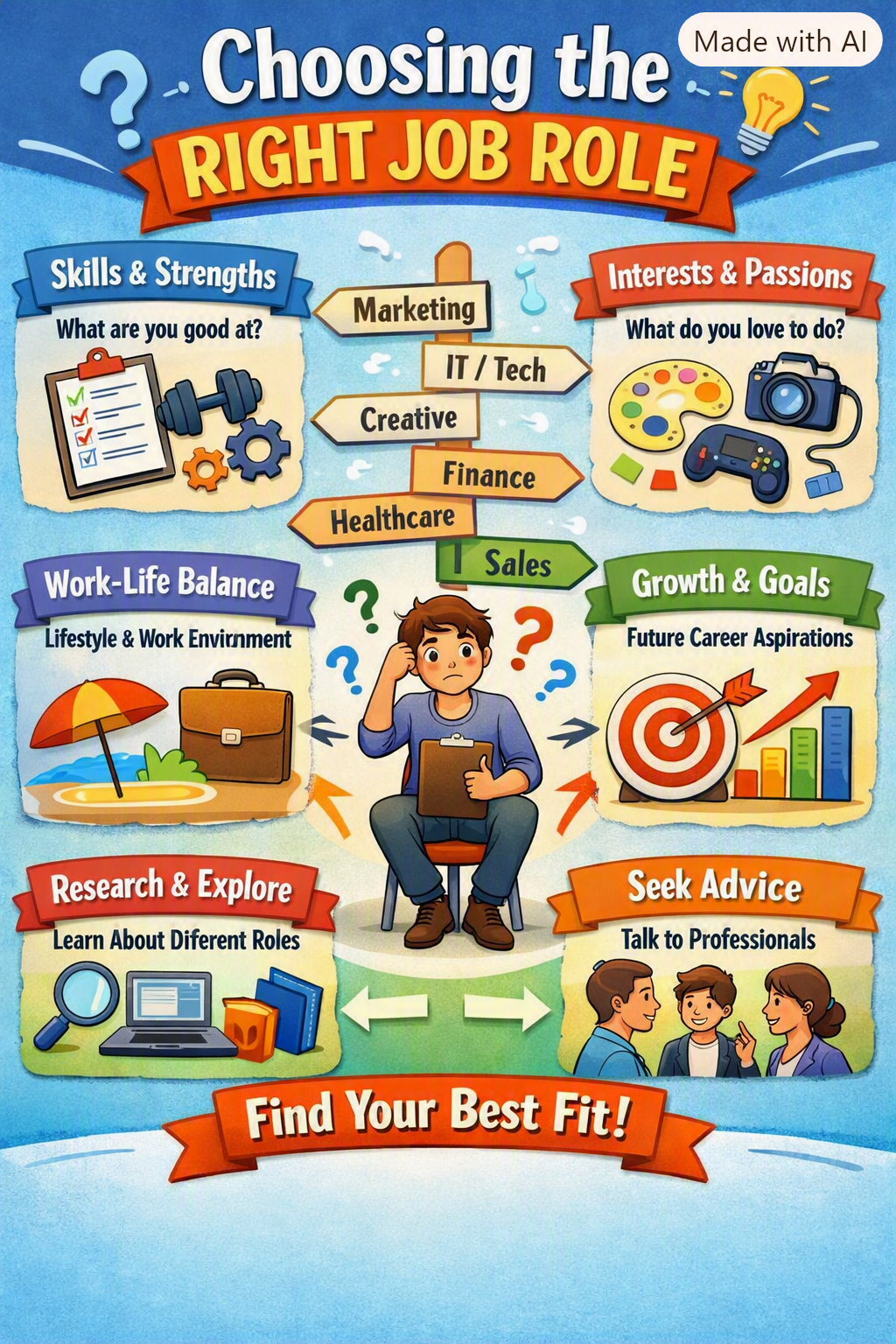
1. Start by Understanding the Type of Job
Before looking for jobs, think about what you want to do. You don’t necessarily need to go back to the same position or field of expertise. You have changed over the break, and your priorities and interests may differ now compared to before the break.
Ask yourself a few important questions, such as whether you want to work in an office-based job, whether hybrid arrangements or remote work would be more suitable for your family, and whether you want to continue working in the same industry or switch to something else. It will help narrow your job search and prevent you from wasting your time on irrelevant opportunities. Think about your skills and experience, and write down the list of the most suitable positions for you.
2. Update Your Skills
One of the most common concerns that people face when seeking employment after the layoff period is that their experience is out- dated. More often than not, the tools and technologies used in the workplace change while one is away, which means there is a need to update one’s skills.
The first step is to analyze the common requirements for the jobs that one applies for. Once it has been identified what skills employers look for, it is necessary to start acquiring these competencies.
It is crucial to remember that it is not necessary to learn everything.
Focus on the most sought-after skills and update one’s knowledge of the tools and technologies used in the desired field of work. The acquired skills can be applied when answering questions during job interviews.
For instance, if one has been working in the marketing field, he/she can learn about the latest developments and innovations in the area. For those who work in the administrative area, it may be useful to brush up on one’s computer skills.
3. Do Not Hide Your Career Break Essay
There is a common fear associated with career breaks when filling out a resume and job application. People do not like explaining them, while some might even feel ashamed. Nevertheless, taking a break to care for a child is nothing to be embarrassed about. There is no need to explain much, just keep it simple and straightforward.
It is better to state clearly that you have a career gap due to personal reasons. For instance, you could write that you have taken a break for childcare and are now willing to return to work in full capacity. The hiring managers and recruiters understand that you cannot go on an extended vacation right after returning from leave.
The key point is to convince the future employer that you are ready to do the job and explain what exactly you are willing to bring to the new position. A career break is not something that needs to be discussed in detail. It can be mentioned briefly, but clearly, and concisely. The most important part is to focus on the positives that you can bring to the workplace, not on the circumstances that led you to your career break.
4. Refresh Your Resume and LinkedIn Profile
It is essential to update your resume before starting your job search. Make sure to present your past accomplishments more prominently than your work tasks and responsibilities. Mention specific examples of your achievements to demonstrate how you have excelled in your previous positions and what benefits you have brought to your former employers.
Besides your work experience, include the skills you improved during the career break and the freelance jobs, courses, volunteering, and other activities you engaged in. It is also a good idea to improve your LinkedIn profile by adding a professional photo, headline, experience section, and skills. You can also use LinkedIn to connect with former colleagues and classmates and find out valuable information from them.
In addition, you might consider asking for job leads or recommendations from them. Therefore, when talking about How to Return to Corporate Life After a Career Break for Childcare, it is important to note that your professional network can become a helpful source of information and assistance on your job search journey.
5. Start Small if Necessary
You may want to get back to the same senior post you held before your hiatus, and it is definitely possible. However, there are instances when it is better to start small, take up a contract position, a junior post, an internship, or even a returnship.
It is not a bad idea at all and does not mean you have regressed in your professional life. Starting small can sometimes be the ideal way to refresh and reinvigorate your recent professional experience. Once again, you need to make the decision based on your needs and not feel pressured by other people’s expectations. The ultimate aim is to get you back to where you want to be in your corporate career.
6. Build a Support System
Coming back to work will seem less intimidating when you know you have a support system. Before taking on a new job, make sure to inform your family about your new schedule and responsibilities. You may also want to think through childcare options and what to do in the case of an emergency.
It is also important to realize that the first few days or weeks may not be perfect, and you may not have things figured out immediately. In addition, it might take your family a while to adjust to your new schedule. The whole process will be less stressful for everyone if you take the time to plan ahead. Ask colleagues that have been in a similar situation what advice they have for returning to work after being out of the corporate world.
Conclusion – Career Break
Coming back to work after having to step away for childcare reasons can be intimidating, but it is important to remember you are not starting from square one. You have already acquired valuable skills and experience, and all you need to do is refresh, review, and update your knowledge and qualifications.
How to return to corporate life after a career break for childcare may seem difficult, but focusing on improving your skills, enhancing your resume, preparing for interviews, and building confidence will help the process go smoothly. Do not be intimidated by the fact that you might be returning to the corporate world after a long hiatus; your path is no different from anyone else’s. Focus on learning, applying, and reviewing. Take it one step at a time, and you will soon be acing interviews and landing a job in no time.
“Moving into management requires more than strong individual performance. Build your communication, delegation, coaching, and decision-making skills to prepare for leadership. Take your next career step with confidence using Best Job Tool.”





Leave a Reply