
Introduction
Munich is one of Germany’s important business centres, offering career opportunities across technology, automotive engineering, finance, consulting, manufacturing and research. The city attracts local Munich professionals and international candidates seeking opportunities with established corporations, innovative startups and multinational organisations.
However, preparing for a job interview in Munich requires more than reviewing common interview questions. Candidates should understand the specific role, research the employer, communicate their experience clearly and prepare for questions about their skills, motivation and career goals.
Interview procedures vary between companies and industries. Some employers focus on technical assessments, while others use behavioural interviews, practical assignments, case studies or discussions with future colleagues. For international candidates, language requirements and familiarity with German workplace expectations may also influence the process.
A successful interview depends on preparation, clear communication and the ability to demonstrate how your experience matches the employer’s needs. This guide explains practical strategies to help candidates prepare for interviews with companies based in Munich and approach the hiring process with confidence.
Research the Company Before Your Interview
Understanding the company is one of the most important steps in interview preparation. Employers want candidates who understand the position and can explain why they are interested in joining the organisation.
Before your interview, review the company’s official website, products, services, business model and recent developments. Identify the customers it serves, the industry it operates in and the challenges relevant to the position.
For example, candidates interviewing with an automotive company may need to understand vehicle technology, manufacturing processes or electric mobility. Applicants for consulting positions may benefit from researching the company’s service areas, client industries and approach to solving business problems.
Use these practical steps:
- Read the job description carefully and identify its main responsibilities.
- Research the company’s products, services, customers and business priorities.
- Review the organisation’s values, workplace culture and career development opportunities.
- Learn about the department and, where possible, the people conducting the interview.
- Prepare a clear explanation of why the role interests you and how your experience fits.
Avoid relying entirely on generic company information. Connect your research to the specific position and prepare two or three examples showing how your skills could contribute to the team’s objectives.
Understand German Workplace Expectations
Companies in Munich differ in their culture, management style and recruitment practices. Nevertheless, candidates can benefit from demonstrating preparation, punctuality, professional communication and a clear understanding of the role.
In many German workplaces, reliability, structured problem-solving and technical competence are valued. Employers may expect candidates to explain their reasoning, support claims with evidence and communicate limitations honestly.
To prepare effectively:
- Arrive on time for an in-person interview and join online meetings a few minutes early.
- Dress appropriately for the company and position.
- Listen carefully before answering questions.
- Explain your experience using specific examples rather than vague claims.
- Be honest about your skills and identify areas where you are still learning.
- Ask relevant questions about responsibilities, team collaboration and performance expectations.
Professional communication does not require memorising formal answers. Instead, prepare key points and practise expressing them naturally.
International candidates should also understand the workplace language requirements. Some multinational companies in Munich conduct interviews in English, while other positions require German proficiency. Check the vacancy carefully and be prepared to discuss your language skills accurately.
Prepare for Common Interview Questions
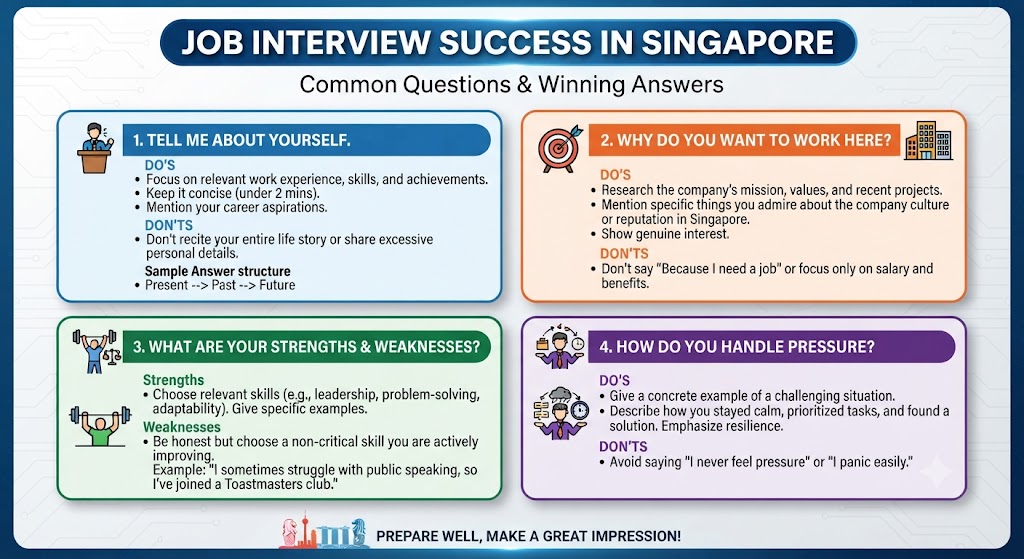
Most interviews include questions about professional experience, motivation, strengths and suitability for the role. Preparing thoughtful answers helps candidates communicate their value without sounding rehearsed.
Common questions may include:
- Tell me about yourself.
- Why do you want to work for our company?
- What interests you about this position?
- What are your greatest professional strengths?
- Describe a challenge you faced and how you resolved it.
- How do you prioritise competing deadlines?
- Why are you considering a career change?
- What are your salary expectations?
Structure your answers around the employer’s needs. For example, when discussing your strengths, identify a relevant skill and provide evidence of how you used it successfully.
The STAR method is useful for behavioural questions:
- Situation: Explain the context.
- Task: Describe your responsibility.
- Action: Explain what you did.
- Result: Share the outcome or lesson learned.
Suppose an interviewer asks how you handled a difficult deadline. Describe the Munich situation, explain how you organised the work, identify the actions you took and discuss the final result.
Freshers can use examples from internships, academic projects, volunteering or extracurricular activities. Experienced candidates should prioritise examples that demonstrate responsibility, problem-solving and measurable results.
Demonstrate Your Skills With Practical Examples
Many employers want more than general statements about a candidate’s abilities. Depending on the position, they may use technical questions, coding exercises, presentations, case studies or practical assignments to assess job readiness.
Technical candidates should revise the core concepts listed in the job description and practise explaining their approach to solving problems. Business and consulting candidates may need to analyse a scenario, interpret information and present a structured recommendation.
To prepare:
- Review the technical and professional skills required for the role.
- Practise relevant exercises under realistic time constraints.
- Prepare examples of projects you have completed and the challenges you addressed.
- Explain the reasoning behind your decisions, not just the final result.
- Be ready to discuss mistakes, feedback and lessons learned.
- Confirm whether you are permitted to use reference materials or digital tools during an assessment.
For example, a software developer might be asked to explain a design decision, while a marketing candidate could be asked to develop a campaign proposal. In both cases, employers may evaluate how the candidate approaches the problem as well as the quality of the answer.
Do not assume that every employer follows the same interview format. Ask the recruiter about the stages, expected preparation and assessment requirements when this information is not provided.
Discuss Salary, Benefits and Working Arrangements
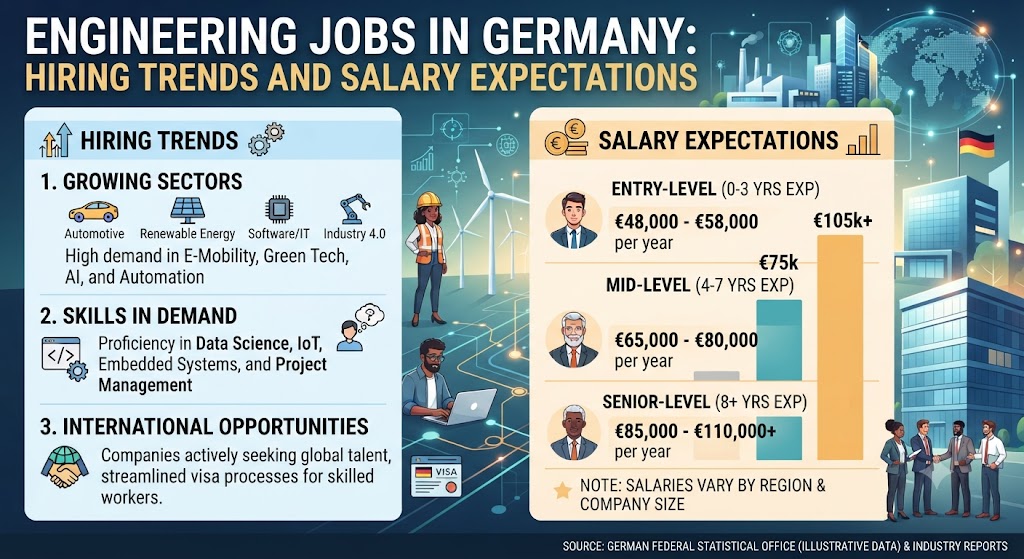
Salary discussions are an important part of the recruitment process. Candidates should research compensation expectations before the interview and understand how the complete employment package fits their professional and financial goals.
Salary levels vary by occupation, experience, qualifications, industry and employer. Candidates should therefore compare similar roles rather than relying on a single general figure.
Before the interview, consider:
- Researching salary ranges for comparable positions in Munich.
- Identifying your expected salary range based on experience and responsibilities.
- Understanding whether the employer discusses gross annual salary or another compensation measure.
- Reviewing bonus structures, pension arrangements, insurance and other benefits.
- Clarifying working hours, overtime expectations and holiday arrangements.
- Asking whether the position is onsite, hybrid or remote.
If asked about salary expectations, provide a considered range and explain that it depends on the responsibilities and overall package. Avoid selecting a figure without researching the role and your market value.
International candidates should also consider relocation expenses, housing costs, commuting and any changes in personal taxation or social security arrangements relevant to their circumstances.
Ask practical questions about the team, reporting structure, training opportunities and career progression. An interview is an opportunity for both parties to evaluate whether the role is a suitable match.
Prepare for Online Interviews and International Recruitment
Many companies in Munich use telephone or video interviews during the early stages of recruitment. Some conduct the entire process remotely, while others invite candidates to the office for technical assessments or meetings with the team.
International applicants may complete several stages before travelling to Germany. Confirm the interview format and schedule in advance, particularly if you are in a different time zone.
For online interviews:
- Test your internet connection, camera, microphone and meeting link.
- Choose a quiet location with adequate lighting.
- Keep your CV, the job description and relevant notes accessible.
- Close unnecessary applications and silence notifications.
- Dress professionally and maintain clear communication.
- Prepare for technical problems by keeping the recruiter’s contact details available.
If an in-person interview is scheduled, confirm the address, transport arrangements and expected arrival time. Allow additional time for commuting or unexpected delays.
Candidates relocating from abroad should also clarify whether the employer provides relocation support and whether the position requires specific work authorisation. Never assume that visa sponsorship is available unless the employer confirms it.
A thoughtful preparation process helps international candidates demonstrate professionalism while managing the practical demands of recruitment.
Follow Up After the Interview and Improve Your Job Search
Your preparation should continue after the interview. A professional follow-up can reinforce your interest and help you maintain communication with the employer.
Within a reasonable period, send a short thank-you message to the recruiter or interviewer. Mention a relevant part of the conversation, reaffirm your interest and express appreciation for their time.
Afterwards, review your performance. Identify the questions you answered well, the areas where you struggled and any technical topics you need to revisit. This process can make future interviews more effective.
You can also improve your overall job search by following these steps:
- Track applications, interview dates and expected follow-up timelines.
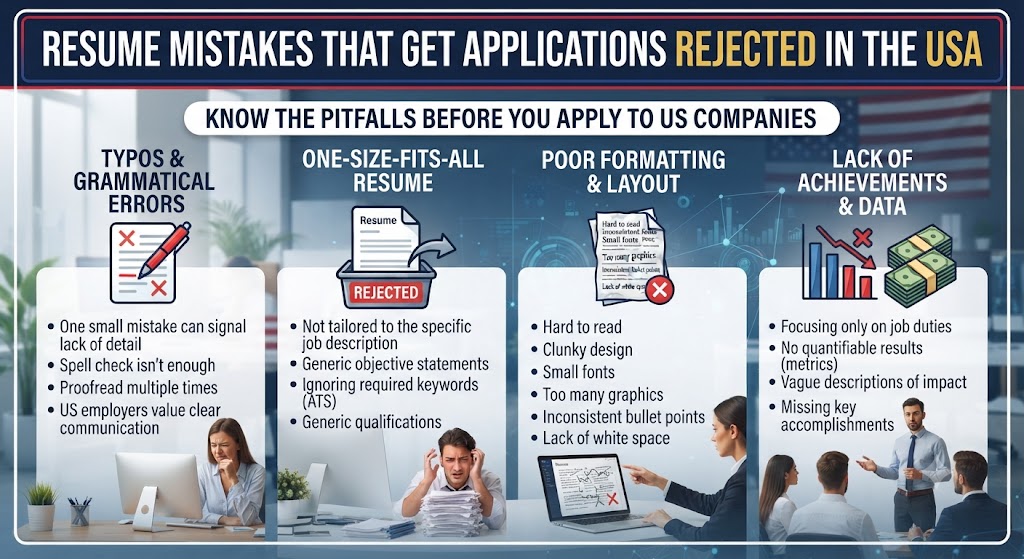
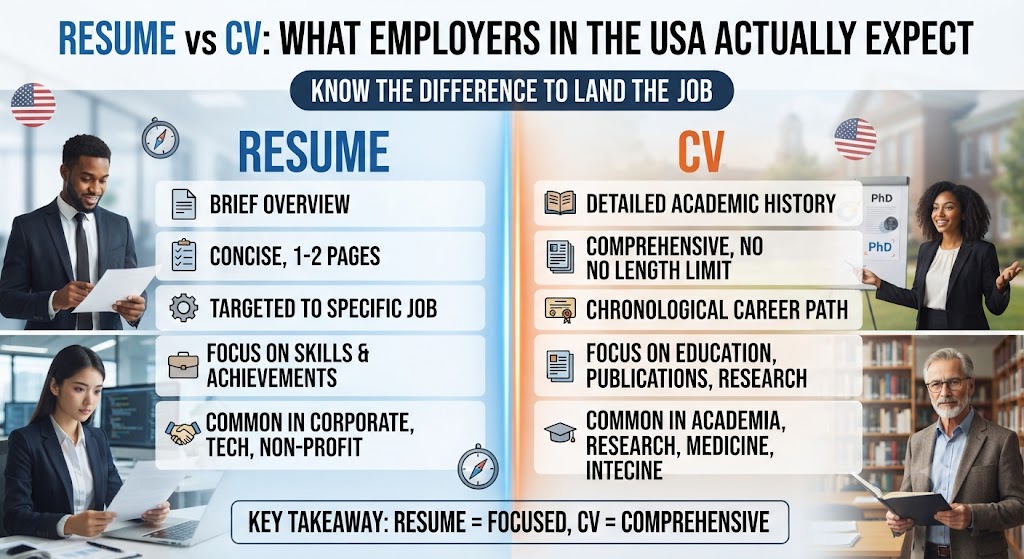
- Customise your CV for each relevant position.
- Practise interview answers aloud before important meetings.
- Maintain an updated professional profile.
- Research employers whose roles match your qualifications and career goals.
- Continue developing skills that appear frequently in relevant job advertisements.
The best job tool, as a global job platform, can help candidates explore vacancies across industries and locations, compare job requirements and identify opportunities that match their experience.
However, finding suitable vacancies is only the first step. Research, practical preparation, clear communication and thoughtful follow-up help turn applications into meaningful career opportunities.
Conclusion
Interviewing with companies based in Munich requires a combination of company research, professional communication, role-specific preparation and a clear understanding of employment expectations. Although interview formats vary, candidates can improve their readiness by studying job descriptions, preparing practical examples and practising answers to common questions.
Understanding German workplace expectations, researching salary ranges and confirming language requirements can also help candidates approach interviews more confidently. International applicants should additionally prepare for online interviews, relocation considerations and work-authorisation requirements where applicable.
After each interview, review your performance and use the experience to improve. Ask informed questions, communicate your achievements honestly and demonstrate how your skills can contribute to the organisation.
Ultimately, successful interview preparation is about showing employers what you can offer while determining whether the role meets your own career objectives. The best job tool, as a global job platform, can support your search for relevant opportunities and help you take the next step towards your professional goals.


Leave a Reply