Introduction
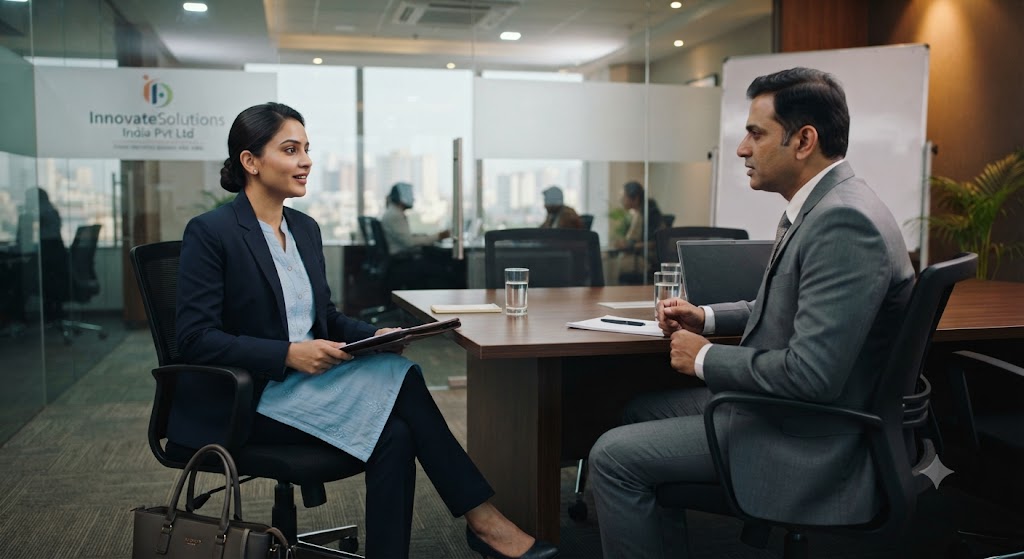
A job interview is an opportunity to demonstrate your qualifications, communication skills, and professional attitude. While your experience and technical knowledge are important, your appearance and behaviour also influence how an interviewer perceives you. In India, interview expectations can vary depending on the industry, company culture, job level, and whether the interview takes place online or in person.
For example, a banking or consulting interview may require formal business attire, whereas a technology startup may welcome smart-casual clothing. Similarly, interviews with multinational companies may involve different communication styles and workplace expectations.
Understanding the appropriate job interview dress code and etiquette in India helps candidates prepare confidently and avoid unnecessary mistakes. From selecting suitable clothing to maintaining professional body language, small details can make the interview experience more effective.
This guide explains how to dress appropriately, communicate professionally, prepare for different interview formats, and manage practical considerations such as travel expenses, remote interviews, and time management.
1. Understanding the Right Interview Dress Code in India
The first step is to understand the company’s work environment and the expectations associated with the role. Professional clothing should be clean, comfortable, appropriate for the occasion, and consistent with the company’s culture.
Formal Attire for Traditional Corporate Workplaces
Formal business attire is generally a safe choice for interviews in banking, finance, law, consulting, government-related organisations, and senior corporate positions.
For men, suitable options include:
- A well-fitted formal shirt with tailored trousers.
- A business suit or blazer when appropriate for the position.
- Polished formal shoes with matching socks.
- A belt that complements the shoes.
- A tie for particularly formal workplaces or senior-level interviews.
For women, suitable options include:
- A formal shirt or blouse with tailored trousers.
- A business suit, blazer, or formal skirt.
- A well-fitted professional kurta with straight trousers.
- A simple saree in a professional setting where it feels appropriate.
- Closed-toe flats, formal shoes, or modest heels.
Neutral colours such as navy, grey, black, white, and beige are generally versatile choices. However, professional clothing does not need to be expensive or follow a single style.
Smart-Casual Attire for Modern Workplaces
Technology companies, creative agencies, and startups may have more relaxed dress codes. In these environments, smart-casual clothing can be appropriate.
Consider a collared shirt, chinos, tailored trousers, a simple blouse, or clean, understated footwear. Avoid clothing that appears excessively casual, such as distressed jeans, flip-flops, or graphic T-shirts, unless the employer explicitly indicates that such attire is acceptable.
The most practical rule is to research the organisation and dress one level more formally than its everyday workplace style when you are unsure.
2. Grooming, Personal Presentation, and Professional Appearance
Appropriate clothing is only one part of making a professional impression. Personal grooming demonstrates attention to detail and helps you feel prepared.
Before an interview, check the following:
- Clothing: Ensure your outfit is clean, ironed, comfortable, and free from visible stains.
- Hair: Keep your hairstyle neat and manageable.
- Footwear: Clean and polish your shoes, and make sure they are comfortable enough for walking.
- Accessories: Choose simple accessories that do not distract from the conversation.
- Fragrance: Use perfume or deodorant moderately, particularly in enclosed meeting rooms.
- Documents: Carry a clean folder containing copies of your resume, relevant certificates, and any requested portfolio materials.
You do not need expensive brands, elaborate makeup, or costly accessories to look professional. A neat, well-maintained outfit can be more effective than expensive clothing that does not fit properly.
Personal presentation should also allow you to feel comfortable and authentic. Choose clothing that respects your personal preferences while remaining suitable for the role and workplace.
If the company provides specific instructions about uniforms, safety equipment, or other requirements, follow them carefully.
3. Essential Job Interview Etiquette in India
Professional etiquette includes how you greet the interviewer, communicate your ideas, listen to questions, and respond under pressure. These behaviours are relevant across industries, although expectations may differ between organisations.
Before the Interview
Preparation reduces anxiety and helps you answer questions more clearly.
Take these steps before the scheduled meeting:
- Research the company’s services, products, values, and recent developments.
- Review the job description and identify the skills the employer prioritises.
- Prepare examples that demonstrate your achievements and problem-solving abilities.
- Practise answering common questions, such as “Tell me about yourself” and “Why should we hire you?”
- Prepare two or three thoughtful questions about the role, team, or expectations.
- Confirm the interview location, time, contact details, and required documents.
Avoid memorising complete answers word for word. Instead, organise your thoughts around specific examples so your responses sound natural.
During the Interview
Arrive with a calm, respectful, and professional attitude. Greet the interviewer politely, follow their lead regarding handshakes or other greetings, and use an appropriate form of address.
In India, some interviewers may prefer formal titles, while others may invite candidates to use their first names. Adapt naturally to the situation.
Remember these practical guidelines:
- Listen to each question before responding.
- Speak clearly and avoid rushing through answers.
- Maintain natural eye contact without staring.
- Keep your phone silent and out of sight.
- Avoid interrupting the interviewer.
- Be honest about your experience, skills, and limitations.
- Thank the interviewer for their time at the end of the conversation.
Professional etiquette does not mean being overly formal or agreeing with everything the interviewer says. Respectful communication, thoughtful answers, and genuine interest are more valuable than artificial confidence.
4. Online Interview Etiquette for Remote Jobs in India
Online interviews are common for remote positions, international employers, and candidates applying outside their home cities. Although you may attend from home, the same standards of professionalism apply.
Your clothing, communication, technical preparation, and interview environment all contribute to how effectively you present yourself.
Prepare Your Video Interview Setup
Before the interview, test your internet connection, camera, microphone, and meeting link. Choose a quiet location with sufficient lighting and a neutral background.
Wear professional clothing that is appropriate for the position. Even when the interview takes place over video, dressing professionally can help you adopt a focused mindset.
Use this checklist:
- Position your camera at approximately eye level.
- Sit facing a light source so your face is clearly visible.
- Close unnecessary applications and browser tabs.
- Keep your phone on silent and disable avoidable notifications.
- Join the meeting five to ten minutes early, if the platform permits.
- Keep your resume, job description, and notes within easy reach.
During the conversation, look toward the camera when speaking, listen carefully, and avoid multitasking. If a technical issue occurs, explain it politely and try to reconnect.
Demonstrate Professionalism in Remote Interviews
Remote work requires effective communication and independent time management. Interviewers may ask how you organise your day, collaborate across time zones, and manage competing priorities.
Prepare examples that demonstrate your ability to:
- Plan tasks and meet deadlines without constant supervision.
- Communicate progress through email, chat, or project management tools.
- Collaborate with colleagues in different locations.
- Resolve problems independently while knowing when to ask for help.
If you are applying for an international remote role, clarify working hours, time-zone overlap, communication expectations, and whether the position is genuinely available in your country. A remote vacancy does not automatically mean that an employer can hire candidates worldwide.
5. Interview-Day Planning: Travel, Time Management, and Expenses
Good interview etiquette begins before you meet the hiring manager. Arriving late, forgetting documents, or appearing distracted because of travel stress can affect your performance.
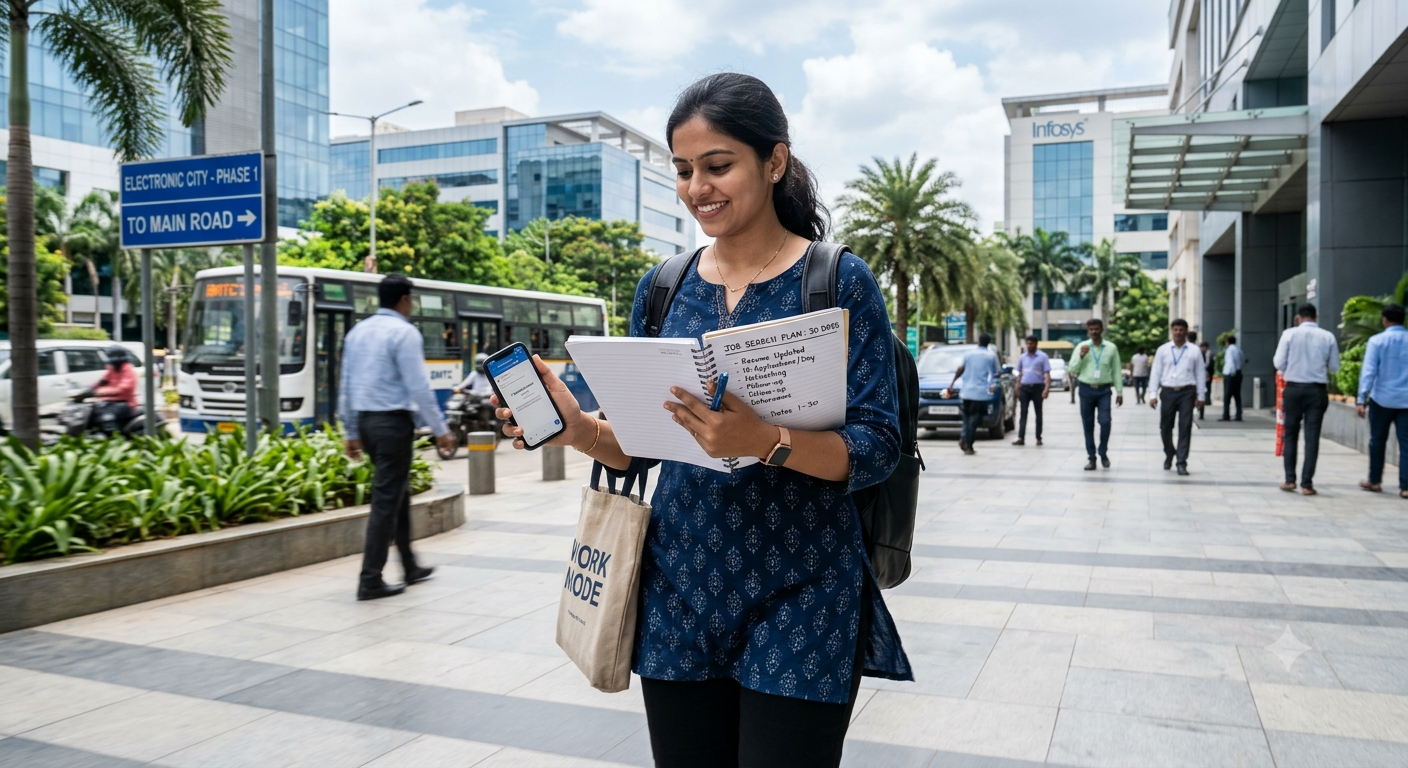
Candidates in India may need to account for traffic, public transport delays, weather conditions, and unfamiliar office locations. Planning these details in advance helps you focus on the interview itself.
Plan Your Journey in Advance
For an in-person interview, confirm the full office address, building entry requirements, interviewer’s contact details, and expected arrival time.
Practical steps include:
- Check the route and estimated journey time the previous evening.
- Allow additional time for traffic, security checks, and finding the correct building.
- Aim to arrive around 10–15 minutes before the scheduled interview.
- Carry your identification and any documents requested by the employer.
- Keep the interviewer’s contact information available in case of an unexpected delay.
If you are travelling to another city, consider booking transport early and allowing sufficient time between arrival and the interview. Avoid scheduling a long journey immediately before a high-stakes interview whenever possible.
Create a Realistic Interview Budget
Job searching can involve repeated expenses, particularly for freshers, unemployed candidates, and people applying in another city.
Create a simple budget that covers:
- Local transport or intercity travel.
- Accommodation, if an overnight stay is necessary.
- Meals and refreshments.
- Printing or preparing required documents.
- Internet access or equipment for online interviews.
For example, if an interview requires ₹1,200 for travel, ₹500 for meals, and ₹1,800 for accommodation, the total estimated cost is ₹3,500. Tracking these expenses helps you decide which interviews require additional financial planning.
Ask whether an employer offers travel reimbursement before assuming that expenses will be covered. Never rely on an unconfirmed reimbursement promise.
For online interviews, use the savings from travel to maintain reliable internet access and a suitable interview environment. This can make the process more manageable while you continue applying for other opportunities.
6. Common Interview Mistakes Candidates Should Avoid
Even well-qualified candidates can undermine their presentation through avoidable mistakes. Recognising these issues beforehand makes it easier to approach an interview with confidence.
Mistakes Related to Appearance
Avoid these common problems:
- Wearing wrinkled, stained, or poorly fitting clothes.
- Choosing footwear that is uncomfortable or unsuitable for the setting.
- Wearing excessive accessories that distract from the conversation.
- Ignoring the employer’s stated dress code.
- Choosing an outfit at the last minute without checking its comfort.
The objective is not to follow rigid fashion rules. It is to choose an outfit that allows the interviewer to concentrate on your qualifications and communication.
Mistakes Related to Behaviour
Professional conduct is equally important. Avoid arriving late without communicating, interrupting the interviewer, speaking negatively about previous employers, or exaggerating your achievements.
Other mistakes include giving vague answers, failing to research the company, and asking questions that are already clearly answered in the job description.
Instead, use specific examples to explain your experience. When discussing a challenge, describe the situation, your actions, and the outcome. This approach makes your answers more credible and easier to understand.
Mistakes Related to Job-Search Decisions
Candidates should also be careful when evaluating interview invitations.
- Verify the employer and vacancy before sharing sensitive information.
- Be cautious if someone demands payment to guarantee a job offer.
- Read the job description carefully to understand the responsibilities and eligibility requirements.
- Clarify the work location, employment type, and expected schedule.
- Compare the opportunity with your career goals rather than accepting an offer solely because it arrives quickly.
A professional interview is a two-way assessment. The employer evaluates your suitability, but you should also assess whether the organisation offers a credible opportunity that matches your expectations.
7. Follow-Up Etiquette and Building a Strong Professional Impression
Your responsibilities do not end when the interview finishes. A professional follow-up can reinforce your interest in the role and help you maintain clear communication with the employer.
How to Close the Interview
Before leaving or ending the video call, thank the interviewer for their time. If appropriate, ask about the next stage of the hiring process and when you can expect an update.
You might say:
“Thank you for explaining the role and the team’s expectations. I appreciate the opportunity to discuss my experience, and I look forward to hearing about the next steps.”
Keep your closing statement polite and concise. Avoid demanding an immediate decision or repeatedly asking whether you have been selected.
Send a Professional Follow-Up Message
If you have the interviewer’s email address, send a brief thank-you message within 24 hours. Mention something relevant from the discussion and reaffirm your interest in the position.
For example:
Dear [Interviewer’s Name],
Thank you for taking the time to discuss the [Job Title] position with me. I appreciated learning more about the role and the team’s priorities.
Our conversation strengthened my interest in the opportunity, and I believe my skills and experience could contribute positively to the team.
I look forward to hearing from you regarding the next steps.
Kind regards,
[Your Name]
If the interviewer provides a specific decision timeline, respect it. If that timeline passes without an update, send a polite follow-up rather than multiple messages within a short period.
Use Interview Feedback to Improve
After each interview, spend five to ten minutes reviewing your performance. Identify the questions you answered confidently, the areas where you struggled, and any information you need to research.
Keep a simple record of:
- The company and role.
- Interview questions asked.
- Skills or examples you need to explain more clearly.
- Follow-up dates and recruiter responses.
- Lessons to apply in your next interview.
This habit turns every interview into a learning opportunity and makes preparation more efficient over time.
Conclusion
Understanding job interview dress code and etiquette in India can help candidates approach interviews with greater confidence and professionalism. The most effective preparation combines suitable clothing, personal grooming, respectful communication, clear answers, and careful planning.
Whether you are attending an interview at a traditional corporate office, applying to a startup, or interviewing online for an international position, adapt your approach to the employer and the role. Plan your travel, manage your expenses, test your technology, and prepare relevant examples of your skills and achievements.
Most importantly, remember that professional presentation supports your qualifications; it does not replace them. Your knowledge, honesty, communication skills, and ability to demonstrate value remain central to a successful interview.
To make your job search more organised, use a best job tool, a global job platform that helps you explore opportunities across industries and locations. Compare job requirements, prepare for interviews, and focus on roles that align with your experience and career goals.
With consistent preparation and professional etiquette, every interview can become a valuable step toward your next career opportunity.

Leave a Reply