
Job hopping has become a common topic in modern career discussions. Professionals often hear that changing companies every one or two years can accelerate salary growth, expand experience, and create access to new opportunities. However, staying with one company for longer than two years can also provide valuable career advantages that are easy to overlook.
In 2026, employers continue to evaluate candidates based on skills, measurable achievements, adaptability, and the ability to create sustained business value. While changing jobs can sometimes provide career progression, remaining with an organization long enough to understand its operations deeply can produce a different type of professional experience.
Longer tenure can allow employees to take ownership of complex projects, build stronger professional relationships, develop leadership capabilities, and demonstrate results over time. The key is not simply staying longer. Instead, professionals should use that time intentionally to expand their responsibilities and build evidence of career growth.
Why Career Tenure Still Matters
A two-year period can provide enough time to understand a company’s products, customers, systems, culture, and business processes. However, some professional achievements require significantly longer to develop and measure.
Consider a major business project such as:
- Implementing a new technology system
- Launching a new product
- Building a customer portfolio
- Improving an internal process
- Developing a new market
- Managing a long-term client relationship
- Leading a large organizational initiative
These projects may take months or years before their full results become visible.
Staying longer can therefore allow professionals to participate in multiple stages of a project instead of leaving shortly after implementation begins.
For employers, longer tenure can also provide evidence that a candidate has experience working through challenges rather than only starting new initiatives.
However, tenure should always be evaluated alongside performance. Simply remaining in the same position without developing new capabilities does not automatically create career value.
Build Deeper Expertise Within Your Industry
Changing companies frequently can expose professionals to different products, systems, and working environments. However, staying longer can allow someone to develop deeper expertise in a particular industry or function.
For example, a marketing professional who remains with a technology company for several years may develop detailed knowledge of:
- Customer acquisition
- Product positioning
- Industry competition
- Customer behavior
- Sales processes
- Marketing analytics
- Product launches
That accumulated knowledge can become a professional advantage.
The same applies to finance, technology, sales, operations, human resources, procurement, and other functions.
Deep expertise becomes particularly valuable when your responsibilities expand beyond routine execution.
Instead of simply performing tasks, you begin understanding why decisions are made, how different departments interact, and what factors influence business outcomes.
Use Longer Tenure to Build a Stronger Achievement Record
One of the biggest advantages of staying longer is the opportunity to demonstrate measurable progress.
For example, you might begin as an individual contributor and later:
- Take ownership of larger projects
- Manage important customers
- Mentor junior employees
- Lead cross-functional initiatives
- Improve operational processes
- Increase revenue
- Reduce costs
- Automate repetitive work
These achievements create a stronger career narrative than simply listing job responsibilities.
Track your progress throughout your tenure.
Maintain records of:
- Projects completed
- Revenue influenced
- Costs reduced
- Processes improved
- Customers acquired
- Customers retained
- Team members mentored
- Systems implemented
- Performance improvements
This information becomes valuable when updating your resume or preparing for future interviews.
Rather than saying, “I worked at the company for four years,” you can demonstrate how your responsibilities and impact evolved during those four years.
Develop Internal Networks and Professional Relationships
Professional relationships often take time to develop.
Staying longer allows employees to build credibility with colleagues, managers, customers, suppliers, and other stakeholders. These relationships can become valuable sources of knowledge and collaboration.
For example, after several years in an organization, you may know:
- Who has expertise in a specific problem
- Which teams control certain processes
- How major decisions are made
- Which customers require special attention
- Where operational bottlenecks exist
- Which internal resources can help execute a project
This institutional knowledge can make you more effective.
Longer tenure can also provide opportunities to mentor newer employees. Teaching others reinforces your own knowledge while demonstrating leadership capability.
However, professional networking should extend beyond your current company. Maintain external industry relationships as well so that your career does not become dependent on a single organization.
Gain Leadership Experience Without Changing Companies
Career growth does not always require a new employer.
Many companies allow employees to move into increasingly senior responsibilities through promotions, internal transfers, project leadership, and expanded ownership.
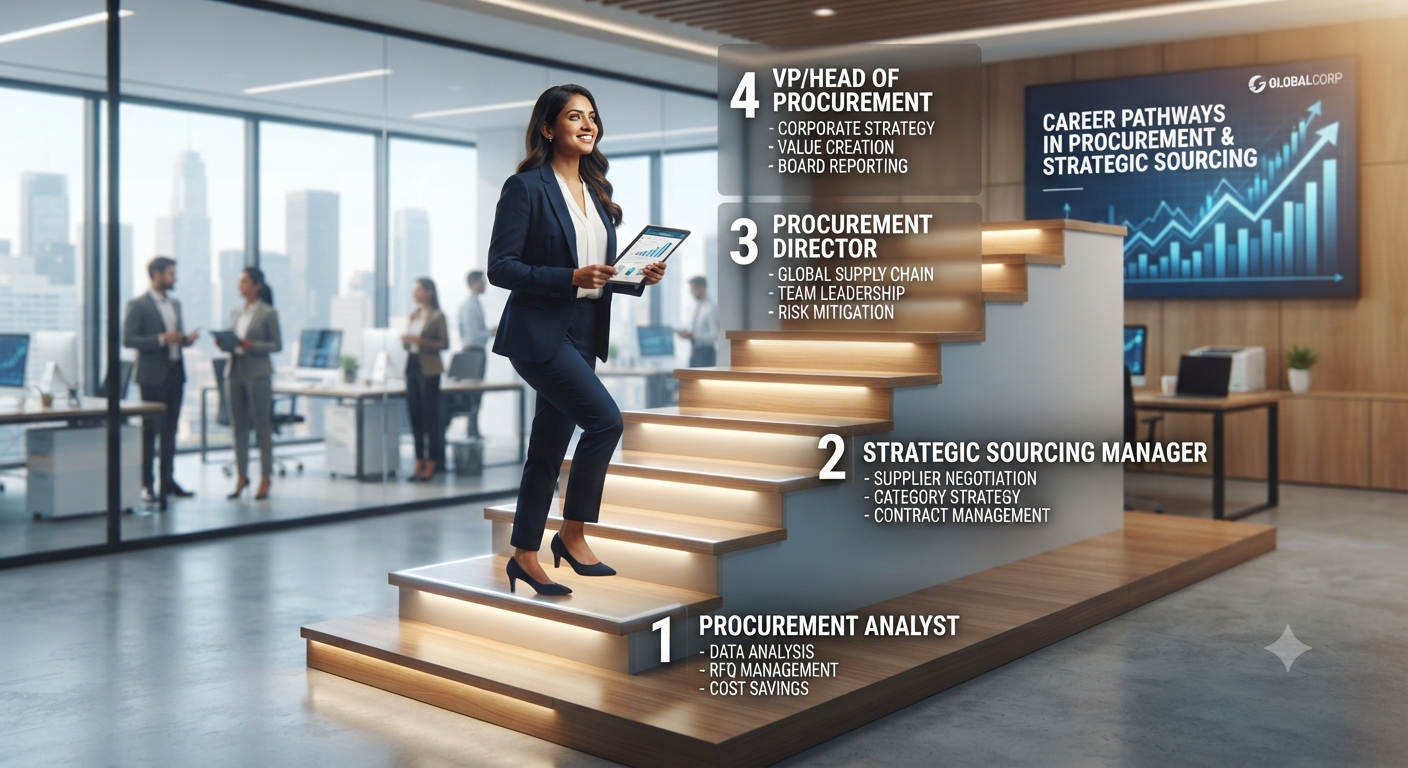
For example, a professional might progress from:
Individual Contributor → Senior Specialist → Team Lead → Manager
without leaving the organization.
This can create a strong leadership story because the employee has demonstrated increasing responsibility within a familiar business environment.
Look for opportunities to:
- Mentor colleagues
- Lead projects
- Manage vendors
- Coordinate cross-functional teams
- Train new employees
- Participate in strategic planning
- Take responsibility for business metrics
If formal promotion is not immediately available, project leadership can still provide useful experience.
The important question is whether your scope of responsibility is expanding.
Staying Longer Does Not Mean Staying Comfortable
There is an important difference between long tenure and professional stagnation.
Staying with one company becomes less valuable when your responsibilities, skills, compensation, and learning opportunities remain unchanged for an extended period.
Therefore, use your tenure to create a personal development plan.
Every six to twelve months, review:
- What new skills have I developed?
- What responsibilities have I gained?
- What measurable results have I produced?
- What business areas have I learned?
- What leadership experience have I gained?
- What should I learn next?
If the answers remain unchanged for a long period, it may be time to discuss career development with your manager or evaluate external opportunities.
The objective is not to stay at all costs. Instead, make your tenure productive.
Remote Work Can Make Longer Tenure More Valuable
Remote and hybrid work have changed how employees build organizational knowledge.
In a remote environment, developing strong working relationships may require more deliberate communication. Employees who remain with a company long enough can gradually build trust across teams and time zones.
Remote professionals can strengthen their position by:
- Documenting important processes
- Building relationships across departments
- Participating in cross-functional projects
- Maintaining regular communication
- Taking ownership of complex projects
- Creating reusable systems
- Becoming a reliable subject-matter resource
Remote work can also provide opportunities to collaborate with international teams.
Travel may occasionally be required for conferences, customer meetings, team events, or business projects. If travel is part of your role, plan around important deadlines and test your connectivity, work equipment, and access to essential systems before traveling.
Long-term employees can also develop a deeper understanding of how distributed teams operate, which can become useful leadership experience.
Consider the Financial Side of Staying Longer
Career decisions should not be based solely on salary or tenure. Financial planning is an important part of evaluating whether staying with an employer makes sense.
Compare your current compensation with your responsibilities and market opportunities.
Consider:
- Salary growth
- Bonuses
- Benefits
- Retirement contributions
- Equity
- Professional development
- Remote-work flexibility
- Travel requirements
- Promotion opportunities
A longer tenure may provide incremental salary increases, promotions, Company Longer bonuses, or other forms of compensation. However, compensation should be evaluated against your current responsibilities and external market opportunities.
Create a realistic personal financial plan before making a career change.
If you are considering leaving after several years, calculate your expected income, living expenses, emergency savings, and potential transition period.
This approach helps you make career decisions based on both professional development and financial stability.
Know When Staying Longer Is No Longer Productive
Staying longer is not automatically the right decision.
There are situations where changing companies may provide Company Longer access to responsibilities, industries, skills, or career paths that are not available internally.
Warning signs can include:
- No meaningful learning opportunities
- No realistic path for increased responsibility
- Repeatedly postponed development discussions
- Responsibilities declining rather than expanding
- Compensation no longer matching the role
- Limited exposure to new technologies
- Lack of opportunities to develop leadership skills
These factors do not automatically mean you should leave. Instead, they indicate that you should evaluate your options carefully.
Have a direct career-development conversation with your manager when appropriate. Ask what skills and results are required for the next level and whether there is a realistic opportunity to achieve them.
If the answer is unclear, researching external roles can provide useful information about the market.
A global job platform such as best job tool can help professionals compare opportunities across companies, industries, and locations without assuming that changing jobs is always the best solution.
Build a Career Story Around Progress, Not Job Count
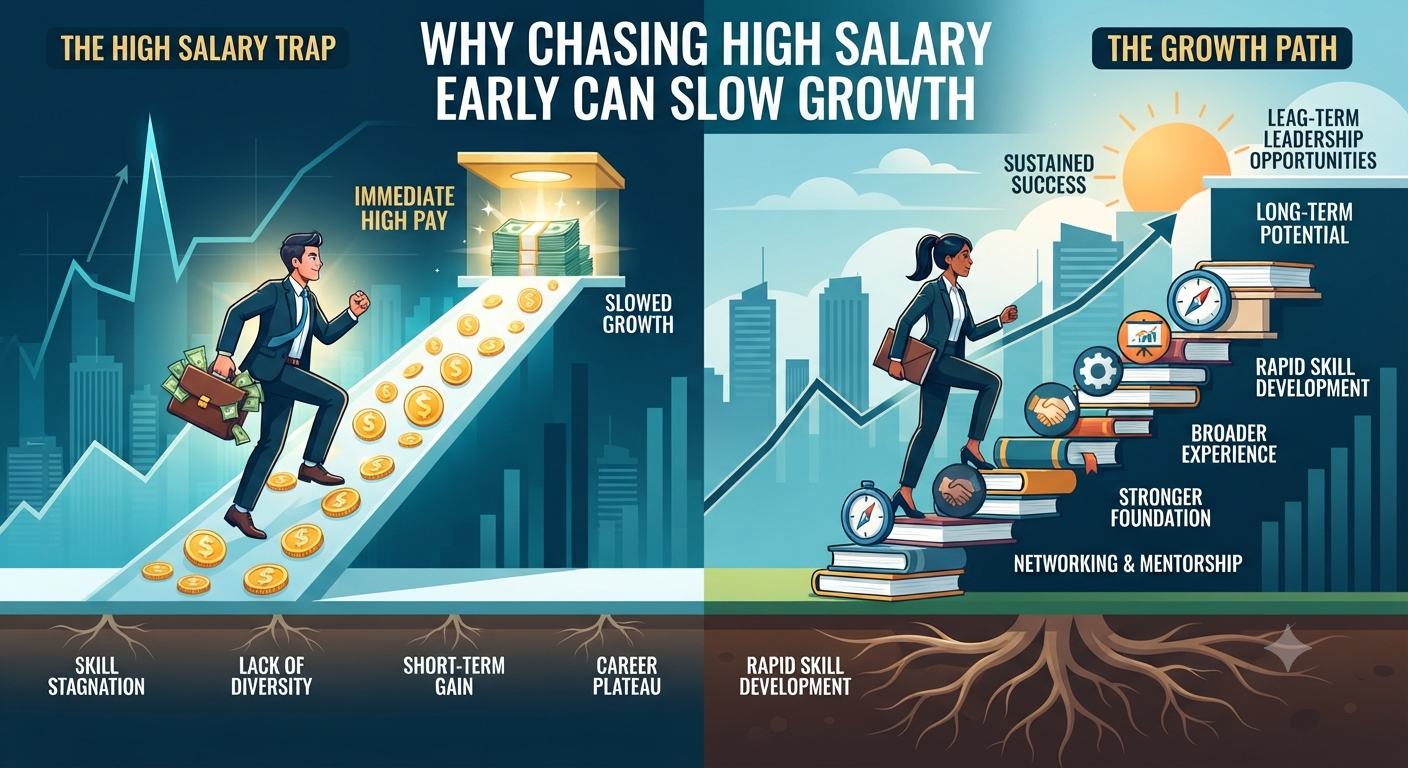
The most useful way to think about tenure is through career progression rather than the number of companies on your resume.
A strong career story might show:
Year 1: Learned the role and developed foundational skills.
Year 2: Took ownership of important projects.
Year 3: Improved measurable business outcomes.
Year 4: Led projects or mentored colleagues.
Year 5: Managed larger responsibilities or moved into leadership.
This progression demonstrates increasing capability.
By contrast, several short positions may show variety but provide less evidence of long-term ownership, depending on the roles and achievements involved.
Neither pattern automatically determines career success. The value of tenure depends on what you accomplish during that time.
Conclusion
Staying with one company for longer than two years can provide career benefits that are sometimes overlooked in discussions about job mobility. Longer tenure can create opportunities to develop deeper industry expertise, build professional relationships, lead complex projects, and demonstrate measurable long-term results.
However, tenure itself should not be treated as an achievement. The real value comes from what happens during that period.
Use your time within an organization to expand your responsibilities, develop new skills, build cross-functional relationships, and take ownership of increasingly important outcomes. At the same time, continue monitoring your professional growth and financial position.
Remote work can make institutional knowledge Company Longer and internal relationships particularly valuable, while travel and international collaboration can broaden your understanding of markets and distributed teams.
Ultimately, a career should not be measured only by how frequently you change employers. It can also be measured by the depth of expertise you develop, the problems you solve, the responsibilities you take on, and the measurable value you create.
For professionals evaluating their next move, a global job platform such as best job tool can provide access to opportunities across different companies and markets while allowing them to compare those options against their current career trajectory.


Leave a Reply