
Introduction
Women play an important role in Singapore’s economy, contributing across finance, technology, healthcare, education, manufacturing, and entrepreneurship. As Singapore continues to develop its position as a global business hub, women have access to diverse career opportunities and professional development pathways. However,Work in challenges such as balancing family responsibilities, progressing into senior leadership, and addressing workplace inequalities remain relevant.
Singapore’s modern workforce offers women opportunities to build careers in established corporations, growing businesses, and international organisations. Flexible work arrangements, skills development programmes, and greater attention to inclusive workplace policies can also help women participate more fully in the economy.
Nevertheless, professional success depends on more than individual qualifications. Workplace culture, access to mentorship, caregiving responsibilities, and organisational practices can influence career progression.
Understanding the opportunities and challenges faced by women in Singapore helps job seekers make informed career decisions and enables employers to build more inclusive teams. This article explores the sectors offering career potential, the barriers women may encounter, and practical strategies for improving professional growth.
1. Career Opportunities for Women in Singapore
Singapore’s diverse economy provides women with opportunities across traditional professions and emerging industries. Employers increasingly require professionals with technical expertise, leadership capabilities, analytical thinking, and strong communication skills.
Several sectors offer promising career pathways.
- Technology: Software development, cybersecurity, data analytics, artificial intelligence, and digital product management offer opportunities for women with relevant technical skills.
- Finance and banking: Singapore’s financial services industry provides roles in risk management, compliance, investment operations, accounting, and financial analysis.
- Healthcare: Nursing, medical services, healthcare administration, research, and health technology provide opportunities for professionals with relevant qualifications.
- Education: Teaching, educational technology, training, and academic administration offer pathways for women interested in developing talent.
- Business and professional services: Marketing, human resources, consulting, project management, and customer success offer opportunities across industries.
- Entrepreneurship: Women can establish businesses, develop digital services, and explore opportunities in Singapore’s regional and international markets.
Candidates should evaluate each sector according to their interests, qualifications, experience, and long-term goals. Reviewing job descriptions and identifying frequently requested skills can help women prioritise training that improves their employability.
2. Education, Skills Development, and Career Advancement
Education and continuous learning are important foundations for career progression. As businesses adopt new technologies and operating models, professionals need to update their skills to remain competitive.
Women entering or advancing in Singapore’s workforce can benefit from technical training, professional certifications, leadership development, and industry networking.
Practical steps include:
- Identify skills commonly requested in your target roles.
- Complete relevant courses or recognised certifications.
- Build practical experience through projects, internships, or cross-functional assignments.
- Develop communication, negotiation, and problem-solving skills.
- Maintain a record of achievements to support performance reviews and promotion discussions.
For example, a marketing professional may strengthen her career prospects by learning data analytics, search optimisation, and marketing automation. Similarly, an HR professional could develop expertise in workforce analytics, employment practices, and organisational development.
Career development should also include seeking visible responsibilities. Leading a project, presenting results to senior management, or managing a client relationship can demonstrate readiness for promotion.
Women returning to work after a career break may need to refresh their technical knowledge and explain how their previous experience remains relevant. Short courses, professional networks, and carefully selected projects can help them rebuild confidence and demonstrate current capabilities.
3. Challenges Women Face in Singapore’s Workforce
Despite progress in education and employment, women may encounter barriers that affect their career decisions and advancement. Recognising these challenges helps individuals prepare practical solutions and encourages employers to improve workplace practices.
Balancing Work and Family Responsibilities
Caregiving remains an important consideration for many working women. Responsibilities involving childcare, elderly parents, and household management can affect working hours, career choices, and opportunities to pursue demanding roles.
Women returning to work after a career break may also face difficulties rebuilding professional networks or demonstrating recent experience.
Practical strategies include:
- Discuss flexible working arrangements with employers where appropriate.
- Share caregiving responsibilities with family members whenever possible.
- Explore childcare and eldercare support options.
- Maintain professional skills during career breaks through courses or independent projects.
- Establish realistic boundaries between work and personal commitments.
Employers can support employees through predictable scheduling, parental leave policies, and flexible working arrangements that do not disadvantage people who use them.
Workplace Bias and Unequal Opportunities
Gender stereotypes can influence recruitment, performance evaluations, access to high-visibility assignments, and promotion decisions. Women may also encounter assumptions about their availability or commitment because of family responsibilities.
To address these challenges, organisations should use transparent hiring criteria, consistent performance evaluations, and clearly defined promotion requirements.
Employees can strengthen their position by documenting achievements, requesting specific performance feedback, and seeking opportunities to lead projects that demonstrate their capabilities.
4. Gender Pay Differences and Women’s Representation in Leadership
Fair compensation and access to leadership positions remain important issues in Singapore’s workforce. Although women’s participation has improved, differences in earnings and representation show that career equality requires continued attention.
According to Singapore’s Ministry of Manpower, the unadjusted gender pay gap among full-time resident employees aged 25–54 narrowed from 16.3% in 2018 to 14.3% in 2023. After accounting for factors such as age, education, occupation, industry, and working hours, the adjusted gap was 6.0% in 2023. These figures measure different things: the unadjusted gap reflects overall earnings differences, while the adjusted gap accounts for selected workforce characteristics.
Improving Pay and Promotion Outcomes
Women can take practical steps to strengthen their career progression:
- Research salary ranges for comparable positions before negotiating compensation.
- Maintain records of measurable achievements and additional responsibilities.
- Request regular performance reviews and discuss clear promotion criteria.
- Develop specialist expertise that aligns with business needs.
- Seek mentors who can provide career guidance and professional introductions.
For employers, fair compensation requires more than general commitments to equality. Regular pay reviews, consistent evaluation criteria, and transparent promotion processes can help identify potential disparities.
Expanding Women’s Leadership Opportunities
Leadership opportunities allow women to influence business decisions, develop teams, and shape organisational strategy. Singapore has made progress in board representation, but opportunities for advancement across different leadership levels remain important.
The Ministry of Social and Family Development reported that women held 25.5% of board positions among the top 100 companies listed on the Singapore Exchange as of June 2025.
Organisations can support progress by offering leadership training, sponsorship programmes, succession planning, and access to high-impact projects. Women can also build leadership experience by mentoring colleagues, managing cross-functional initiatives, and developing strategic decision-making skills.
5. Flexible Work, Remote Jobs, and Work-Life Balance
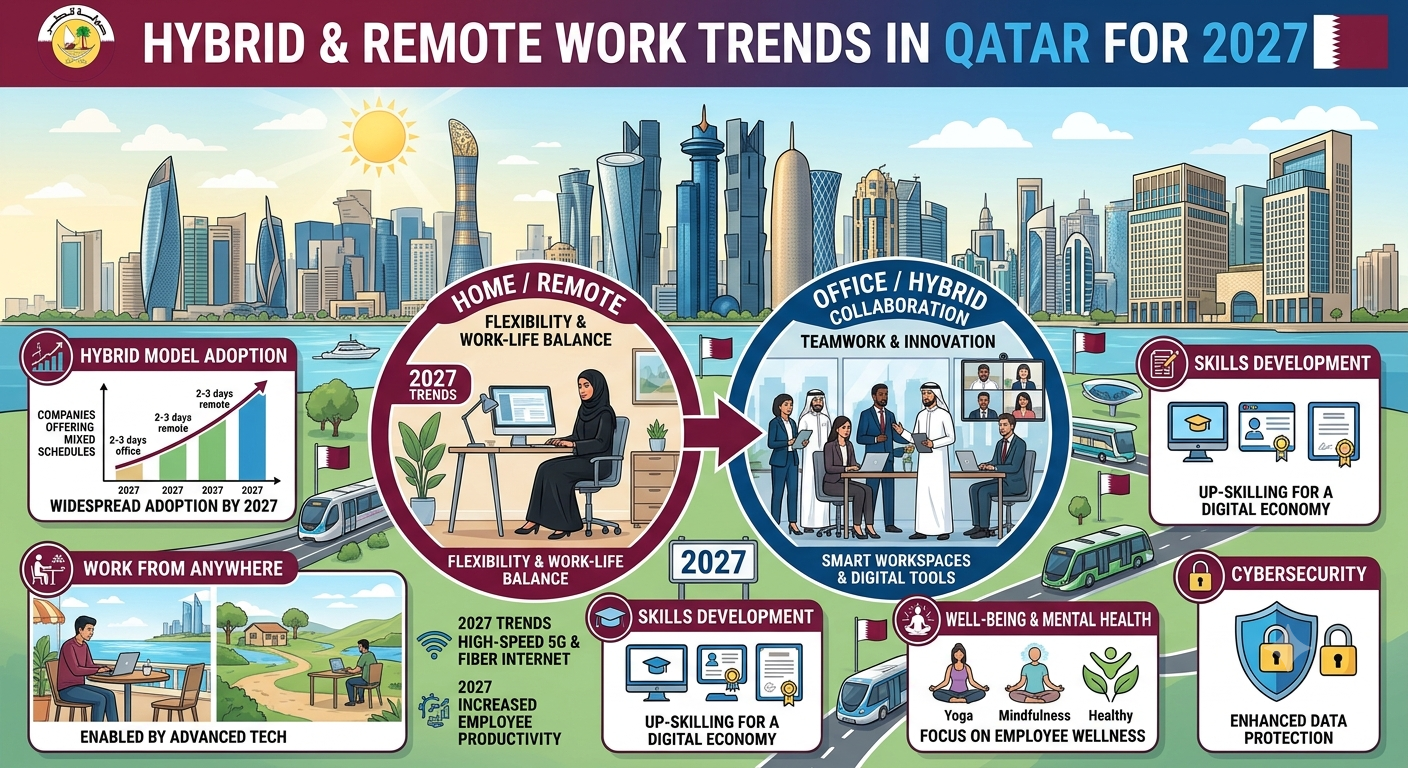
Flexible work arrangements can help women remain in employment while managing personal responsibilities. Depending on the role, these arrangements may include remote work, hybrid schedules, flexible starting times, or adjusted working hours.
However, flexibility varies by occupation. Some healthcare, manufacturing, hospitality, and customer-facing roles require employees to work at specific locations or times. Candidates should therefore evaluate the actual requirements rather than assume every position offers remote options.
Finding Suitable Flexible Roles
When searching for flexible employment, consider the following:
- Check whether the position is fully remote, hybrid, or office-based.
- Confirm whether employees must live in Singapore.
- Review required working hours and time-zone commitments.
- Ask how performance is measured for flexible employees.
- Clarify whether travel, client visits, or occasional office attendance is expected.
Remote roles can provide access to a broader range of employers, but they also require strong communication, independent planning, and reliable technology.
Women returning to work or changing careers may find flexible arrangements useful when balancing other responsibilities. Nevertheless, career decisions should also consider salary, advancement opportunities, job security, and the long-term relevance of the role.
Improving Productivity Without Overwork
A structured routine can help employees manage professional and personal priorities.
Useful practices include planning weekly goals, prioritising high-impact tasks, scheduling focused work periods, and communicating deadlines clearly. Regular breaks and realistic workloads can also support sustainable performance.
Managers should evaluate employees according to the quality and impact of their work rather than relying primarily on office visibility or extended working hours.
6. Practical Strategies for Women Seeking Career Growth in Singapore
Building a sustainable career requires a combination of market awareness, relevant skills, professional relationships, and financial planning. Women at different career stages can use the following strategies to improve their employment prospects.
Develop Skills That Employers Need
Review vacancies in your target sector and identify recurring technical and professional requirements. Prioritise learning that directly supports your career goals.
For example, professionals in finance may benefit from data analysis and regulatory knowledge, while technology candidates may focus on cloud computing, cybersecurity, or AI-related skills.
Keep your CV updated with recent projects, measurable results, certifications, and relevant experience. Tailor each application to the vacancy rather than submitting the same CV to every employer.
Build a Professional Network
Networking can help candidates learn about industry developments, discover vacancies, and connect with experienced professionals.
Consider attending industry events, joining professional associations, participating in online discussions, and maintaining a complete LinkedIn profile.
Mentors can help you understand career pathways, prepare for promotion discussions, and identify skills that may improve your prospects. At the same time, developing relationships with peers can create opportunities for collaboration and knowledge-sharing.
Plan Your Finances for Long-Term Independence
Financial planning is especially valuable when considering a career break, changing jobs, pursuing additional education, or moving into a different industry.
Practical steps include:
- Maintain an emergency fund appropriate to your financial commitments.
- Compare total compensation rather than salary alone.
- Account for transport, childcare, training, and other work-related expenses.
- Review the financial implications of part-time work or a career break.
- Set realistic savings and retirement goals.
Candidates considering relocation to Singapore should also calculate housing, healthcare, transport, and other living expenses. International applicants should verify work-pass eligibility and employment conditions before making financial commitments.
A best job tool, such as a global job platform, can help candidates explore vacancies across industries and compare opportunities based on skills, location, and career objectives. A more organised search makes it easier to focus on roles that support both professional growth and financial stability.
7. How Employers and Policymakers Can Support Women at Work
Improving women’s workforce participation is a shared responsibility. Individual career planning is important, but lasting progress also depends on fair recruitment, supportive workplace policies, and access to professional development.
Singapore has introduced initiatives intended to strengthen women’s employment outcomes. The Ministry of Manpower has highlighted flexible working arrangements and employment support initiatives, including Workforce Singapore’s HerCareer programme, as part of efforts to help women access jobs and develop relevant skills.
Employers can contribute through practical measures such as:
- Establishing transparent recruitment, pay, and promotion criteria.
- Providing equal access to training and leadership development.
- Offering fair consideration of flexible work requests.
- Supporting employees returning after career breaks.
- Training managers to recognise bias in recruitment and performance reviews.
- Measuring workforce outcomes to identify areas requiring improvement.
Organisations should also ensure that flexible working arrangements do not limit employees’ access to promotions or important assignments.
For women returning to employment, structured return-to-work programmes, refresher training, mentoring, and opportunities to demonstrate current skills can reduce barriers.
Progress should be assessed through meaningful outcomes, including retention, promotion rates, pay differences, and employee feedback. These measures can help employers identify what works and where further improvements are needed.
Conclusion
Women in Singapore’s workforce have opportunities to build careers across technology, finance, healthcare, education, professional services, and entrepreneurship. Improvements in education, employment participation, and leadership representation demonstrate progress, while challenges involving caregiving, workplace bias, pay differences, and career advancement remain relevant.
Women can strengthen their prospects by developing in-demand skills, building professional networks, negotiating compensation confidently, and planning for long-term financial independence. Flexible work arrangements and thoughtful career planning can also help individuals balance professional ambitions with personal responsibilities.
At the same time, employers need to create workplaces where recruitment, compensation, training, and promotion decisions are fair and transparent. Mentorship, inclusive leadership, and support for caregivers can help organisations retain talent and improve career opportunities.
For women exploring their next professional step, a best job tool—a global job platform—can support the search for suitable opportunities across industries and locations. Combining targeted applications with continuous learning and financial planning can help women make informed decisions and build sustainable careers in Singapore.
The continued advancement of women in the workforce depends on both individual opportunity and organisational commitment. With practical support and fair employment practices, Singapore can make further progress toward a more inclusive and productive working environment.

Leave a Reply