Introduction
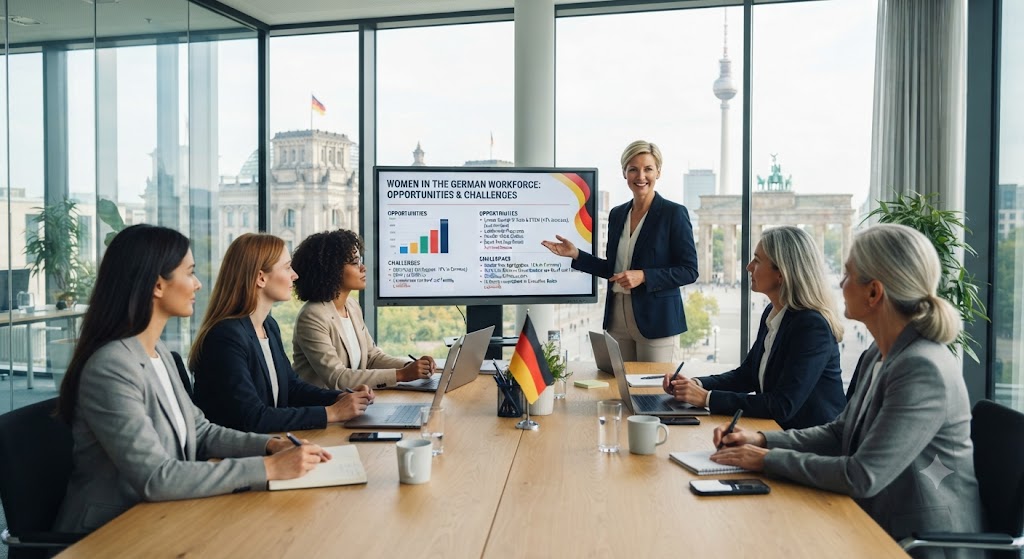
Women play an essential role in Germany’s economy, contributing to industries such as healthcare, education, manufacturing, finance, engineering and information technology. As businesses respond to digital transformation, labour shortages and changing workforce expectations, women have opportunities to enter new professions, Germany develop specialised skills and pursue leadership positions.
However, employment opportunities do not always translate into equal career outcomes. Women may face challenges related to part-time employment, childcare responsibilities, differences in earnings, career interruptions and underrepresentation in senior management. These factors can influence both immediate income and long-term financial security.
Germany’s employment environment also presents specific considerations, including vocational training pathways, recognised professional qualifications, childcare availability and workplace regulations. Understanding these factors can help women make informed decisions when entering the workforce, returning after a career break or planning an international career.
Building a successful career requires more than finding a vacancy. It involves developing relevant skills, understanding employment conditions, negotiating compensation and choosing working arrangements that support professional and personal goals.
Career Opportunities for Women in Germany
Germany has a diverse economy with employment opportunities across traditional industries and emerging professional fields. Women can pursue careers based on their qualifications, interests, experience and preferred working arrangements.
Healthcare and social services remain important employment areas, while technology, renewable energy, engineering, logistics and financial services offer additional opportunities. Germany’s strong manufacturing sector also creates roles in quality management, supply chain operations, research, business development and technical project management.
The most suitable career path depends on an individual’s existing skills and long-term objectives. Women entering a new industry may benefit from researching occupations with clear training pathways and opportunities for advancement.
Practical ways to identify suitable opportunities include:
- Research industries with relevant vacancies and potential for long-term growth.
- Compare job descriptions to identify the qualifications and technical skills employers require.
- Explore vocational education, apprenticeships and recognised professional certifications.
- Develop digital skills, including data analysis, project management and industry-specific software.
- Build professional relationships through industry events, networking groups and mentoring programmes.
Women with international qualifications should also investigate whether their credentials need formal recognition in Germany, particularly for regulated professions such as certain healthcare and teaching roles.
Learning German can broaden access to employment, especially in customer-facing positions, healthcare and organisations where German is the primary working language. Nevertheless, some international companies and specialised technology teams also recruit for English-speaking positions.
A structured approach to career planning helps women identify roles that match their current capabilities while creating opportunities for future professional growth.
The Gender Pay Gap and Financial Independence
One of the major challenges for women in Germany is the difference in average earnings between women and men. According to Germany’s Federal Statistical Office (Destatis), the unadjusted gender pay gap was 16% in 2025. The adjusted gap, Germany which accounts for selected differences in employment characteristics, was 6%. These figures measure different things and should not be interpreted as proof that every woman earns less than a man performing the same job.
Differences in working hours, occupational choices, career interruptions and access to senior positions contribute to the broader earnings gap. Consequently, financial independence requires attention to salary as well as working arrangements and long-term career progression.
Women can strengthen their financial position by taking practical steps:
- Research salary benchmarks before accepting a job or negotiating a pay increase.
- Document measurable achievements, including completed projects, improved processes and business results.
- Review employment contracts carefully, including working hours, bonuses, pension arrangements and other benefits.
- Establish an emergency fund to prepare for unexpected expenses or periods between jobs.
- Understand how part-time employment or career breaks may affect retirement savings and future income.
- Review financial goals regularly and adjust savings plans as responsibilities change.
Employers also have an important role. Regular pay reviews, transparent salary ranges and consistent promotion criteria can help identify differences that require attention.
Women should assess the complete employment package rather than focusing exclusively on the headline salary. A position offering training, progression and predictable working arrangements may provide stronger Germany long-term value than a role with a higher initial salary but limited development opportunities.
Flexible Work, Remote Jobs and Work-Life Balance
Flexible working arrangements can help women manage professional responsibilities alongside childcare, family commitments, education and personal goals. In Germany, available arrangements may include remote work, hybrid schedules, part-time employment, flexible starting times and adjusted working hours.
However, flexibility depends on the role and employer. Software development, digital marketing, consulting and certain financial services positions may offer remote or hybrid arrangements. In contrast, manufacturing, healthcare, laboratory work and many customer-facing occupations require physical attendance.
Women should therefore confirm the actual working conditions before accepting an offer.
Consider these practical strategies:
- Check whether the role is remote, hybrid or onsite and clarify office attendance requirements.
- Ask about core working hours, overtime expectations and flexibility during family emergencies.
- Research childcare availability and commuting costs when comparing potential employers.
- Establish boundaries between working hours and personal time, especially when working remotely.
- Use digital calendars and project-management tools to organise tasks and communicate deadlines.
- Confirm whether flexible employees have equal access to training, important projects and promotion opportunities.
Remote work can reduce commuting expenses and provide greater control over daily schedules. Nevertheless, employees should consider home-office costs, electricity, internet access and the possibility of reduced visibility within a team.
For international employees, language requirements also deserve attention. Some German employers operate in English, particularly in international technology and research environments. However, German proficiency can broaden opportunities and make everyday workplace communication easier.
The goal is to identify an arrangement that supports productivity, professional growth and personal well-being without compromising long-term career prospects.
Leadership Barriers and Career Advancement
Although women participate extensively in Germany’s workforce, representation in senior management remains limited. Destatis reported that women held 29.1% of leadership positions in Germany in 2024, compared with the European Union average of 35.2%.
This gap highlights the importance of examining how employees gain access to leadership responsibilities, mentoring and promotion opportunities.
Potential barriers include limited access to influential professional networks, assumptions about family responsibilities, unclear promotion criteria and career interruptions. These challenges can vary significantly by industry, employer and individual circumstances.
Women aiming for leadership positions can take several steps to improve their prospects:
- Seek projects that demonstrate decision-making, strategic thinking and team leadership.
- Request regular feedback from managers and establish measurable development goals.
- Find mentors who can provide career guidance and help identify advancement opportunities.
- Document achievements and communicate their business impact during performance reviews.
- Develop negotiation, presentation and conflict-resolution skills.
- Review promotion criteria and discuss the experience required for the next career level.Germany
Employers should complement these efforts with structured interviews, objective performance assessments and transparent promotion processes. Leadership training should be accessible to employees across different working arrangements, including part-time and hybrid positions.
Organisations can also review promotion data to determine whether qualified employees have equal opportunities to advance. Progress is more sustainable when leadership development is integrated into everyday workforce planning rather than treated as an isolated initiative.
Skills Development, Professional Networking and Job Search Strategies
Germany offers multiple pathways for professional development, including university education, vocational training, apprenticeships and industry certifications. Women changing careers or returning to work can use these pathways to build relevant expertise and improve their employment prospects.
Digital skills are particularly valuable across industries. Data analysis, artificial intelligence, cybersecurity, digital project management and business communication can support career development, depending on the occupation.
A practical career-development plan should include the following steps:
- Identify skill gaps: Compare your experience with the requirements listed in relevant job advertisements.
- Choose targeted training: Prioritise qualifications that employers recognise and that support your intended career path.
- Build a professional network: Connect with industry specialists, recruiters, former colleagues and professional associations.
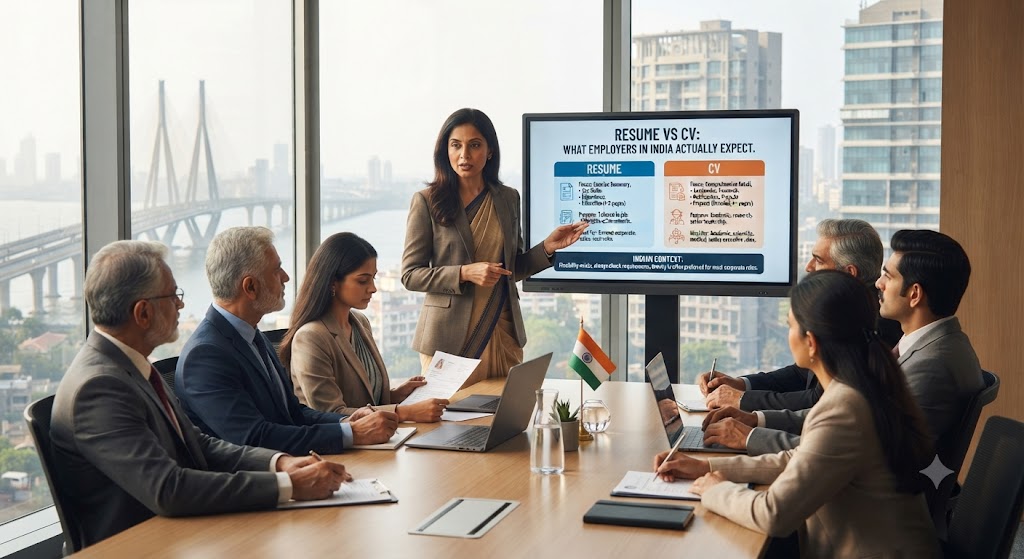
- Update your CV: Highlight measurable achievements, transferable skills and relevant qualifications.
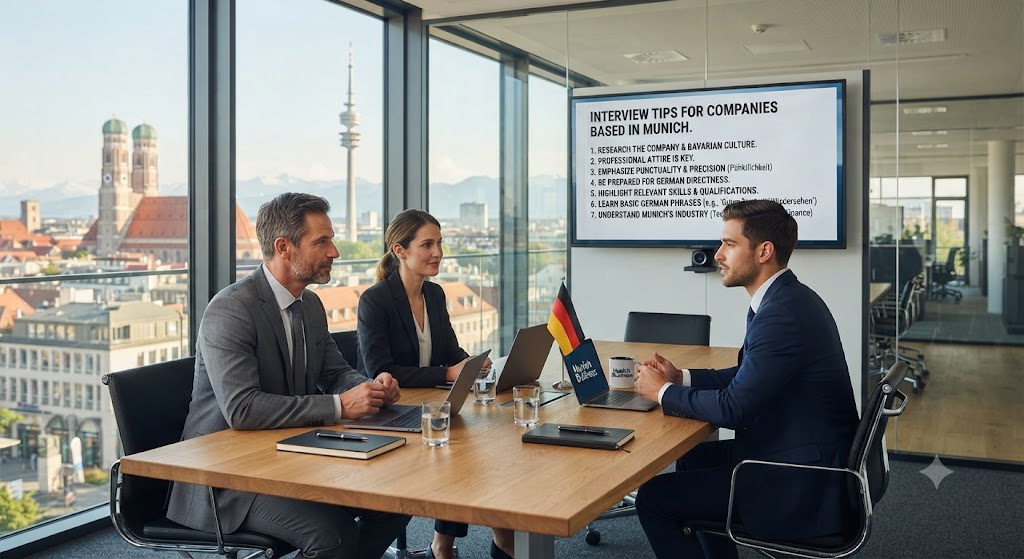
- Prepare for interviews: Practise explaining your experience, career goals and approach to workplace challenges.
- Track your applications: Record application dates, employer responses, interviews and follow-up actions.
Networking can be especially useful for international professionals who are unfamiliar with German recruitment practices. Professional events, online communities and industry groups can help candidates understand employer expectations and identify opportunities that may not be widely advertised.
Digital job platforms can also simplify the search process. The best job tool, as a global job platform, can help candidates explore vacancies across industries and locations, compare role requirements and identify positions that match their qualifications.
However, job seekers should assess each opportunity carefully. Review the employer’s background, employment conditions, language requirements and eligibility criteria before applying. For regulated professions, check whether your qualifications require formal recognition in Germany.
Combining targeted applications with continuous learning and professional networking creates a more structured approach to career development.
International Careers, Work Travel and Financial Planning
Germany’s international business environment provides opportunities for women interested in multinational organisations, cross-border projects and careers involving business travel. However, international employment can introduce additional responsibilities, including relocation costs, travel schedules, language requirements and immigration formalities.
Before accepting an international role, evaluate its professional benefits alongside its practical demands.
Assess the travel requirements. Ask how frequently travel is expected, how long assignments typically last and whether travel expenses are reimbursed. Clarify whether international trips affect regular working hours or require additional availability outside the normal schedule.
Test the practical arrangements. Where possible, use an introductory business trip or short assignment to understand the demands of the role before making a long-term commitment. Consider commuting time, accommodation, personal responsibilities and the effect of frequent travel on your routine.
Calculate the full financial impact. Compare gross salary with taxes, housing, transportation, childcare, insurance and other living expenses. For relocation, include moving costs and any period without income.
Understand employment and immigration requirements. International candidates should check work authorisation, residence requirements and any professional qualification rules applicable to their circumstances.
Build financial resilience. Maintain emergency savings, review pension arrangements and consider how a career break or relocation might affect future earnings.
Protect work-life balance. Discuss scheduling expectations, flexibility and the support available during demanding assignments. Frequent travel can offer valuable experience, but its impact on personal commitments should be considered realistically.
For women considering an international move, the best opportunity is not necessarily the one offering the highest salary. Career development, financial stability, working conditions and long-term professional prospects should all influence the decision.
Conclusion: Building a Stronger Future for Women in Germany’s Workforce
Women in Germany have opportunities to develop rewarding careers across technology, healthcare, engineering, finance, education and international business. Vocational training, professional certifications, digital skills and flexible working arrangements can help women enter new industries and pursue career advancement.
Nevertheless, challenges related to pay differences, part-time employment and underrepresentation in leadership continue to influence career outcomes. Addressing these issues requires practical action from both employees and employers.
Women can strengthen their professional position by negotiating compensation, building networks, updating their skills and planning their finances. Employers can contribute by improving pay transparency, providing equal access to leadership development and ensuring that flexible working arrangements do not restrict career progression.
International professionals should also consider language requirements, qualification recognition, relocation costs and work-travel expectations before committing to a new role.
Ultimately, a sustainable career depends on informed decisions, continuous learning and access to relevant opportunities. The best job tool, as a global job platform, can support this process by helping job seekers discover vacancies and explore roles that align with their skills, experience and ambitions.
With effective career planning and fair workplace practices, women can strengthen their financial independence, pursue leadership opportunities and contribute to Germany’s evolving workforce.

Leave a Reply