
Introduction
When applying for a job in India, one of the first decisions candidates face is whether to submit a resume or a CV. Although these terms are often used interchangeably, their purpose can vary depending on the industry, position and employer.
For most corporate jobs, including marketing, sales, finance, human resources and information technology, employers generally expect a concise resume that highlights relevant skills, qualifications and achievements. In contrast, academic, research and certain specialised positions may require a more detailed curriculum vitae (CV) that documents education, research experience, publications and professional accomplishments.
Understanding this distinction helps candidates present their experience effectively and avoid unnecessary information. A well-structured application document also makes it easier for recruiters to identify relevant qualifications quickly.
Whether you are a fresher, an experienced professional or someone changing careers, choosing the appropriate format can strengthen your job application. This guide explains the differences between a resume and a CV, what Indian employers typically expect and how to prepare a document that communicates your professional value.
What Is the Difference Between a Resume and a CV?
A resume is a concise summary of your professional background, relevant skills, education and achievements. Its primary purpose is to demonstrate why you are suitable for a particular position.
A curriculum vitae, commonly called a CV, provides a more comprehensive account of your academic and professional history. It is frequently used for academic, research and specialist roles where detailed qualifications and accomplishments matter.
In India, the distinction is not always strict. Many employers use the term CV when they mean a standard job application resume. Therefore, candidates should follow the employer’s instructions rather than relying only on the document’s name.
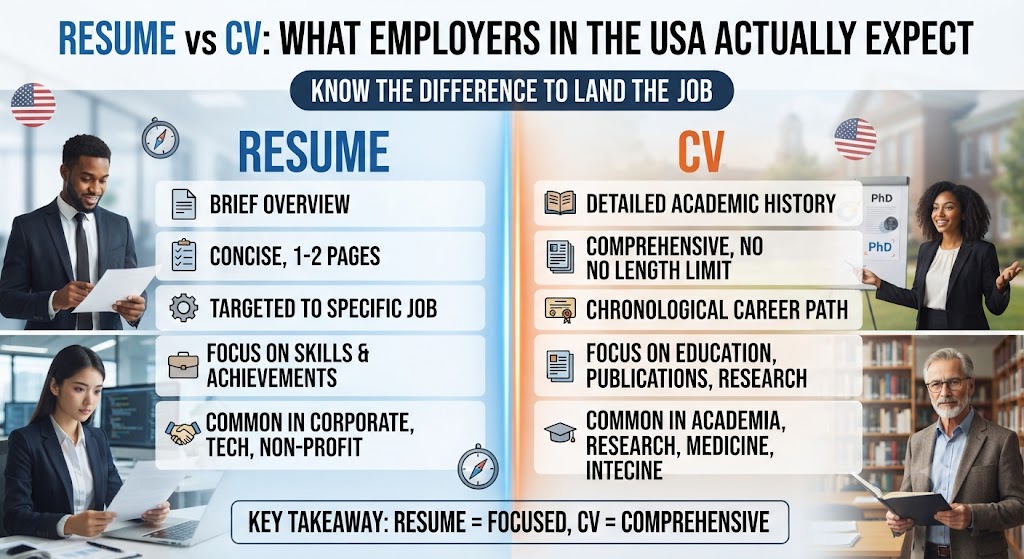
The main differences include:
- Length: A resume is generally one or two pages, while an academic CV may extend to several pages.
- Purpose: A resume highlights suitability for a specific vacancy, whereas a CV may document a broader professional or academic record.
- Content: A resume prioritises relevant experience and achievements. A CV may include publications, research, teaching experience and conference presentations.
- Customisation: Resumes are usually tailored to individual job descriptions, while academic CVs maintain a more comprehensive record.
- Typical use: Corporate recruitment commonly favours resumes, whereas academic and research positions may specifically request CVs.
The most important principle is to understand what the employer needs. A concise, relevant document is often more effective than a lengthy application containing unrelated details.
What Indian Employers Expect in a Resume
Indian employers generally want to understand a candidate’s qualifications, experience and suitability for the role without having to search through unnecessary information.
For most corporate positions, a resume should present information in a clear, logical order. Recruiters should be able to identify your current or most recent role, relevant skills and significant achievements quickly.
Include these essential sections:
- Contact information: Your full name, professional email address, phone number and city.
- Professional summary: Two or three sentences describing your experience, expertise and career focus.
- Work experience: Previous positions, employment dates, responsibilities and measurable achievements.
- Skills: Technical and professional abilities relevant to the vacancy.
- Education: Degrees, institutions and graduation years where appropriate.
- Certifications and projects: Relevant qualifications, portfolio work or projects that demonstrate practical ability.
Freshers can place education, internships, academic projects and relevant skills near the beginning. Experienced professionals should generally prioritise employment history and achievements.
For example, instead of writing, “Responsible for social media management,” use a more specific statement when accurate: “Managed social media campaigns across three platforms and improved audience engagement by 25%.”
Concrete achievements help employers understand the impact of your work. However, only include figures you can reasonably substantiate.
How to Format Your Resume for the Indian Job Market
A resume’s format influences how easily recruiters can read and evaluate your qualifications. A professional layout should make important information visible without unnecessary decoration.
For most corporate applications, a one-page resume can work well for freshers and candidates with limited experience. Professionals with more extensive relevant experience may need two pages. The goal is to communicate value, not to meet an arbitrary page count.
Follow these formatting practices:
- Use clear headings and consistent fonts.
- Keep margins, spacing and bullet points consistent.
- List work experience in reverse chronological order, starting with your most recent role.
- Use simple layouts that remain readable on mobile devices.
- Save and submit the document as a PDF unless the employer requests another format.
- Use a descriptive filename, such as
FirstName_LastName_Resume.pdf. - Proofread for spelling, grammar, dates and formatting errors.
Many larger employers use applicant tracking systems (ATS) to organise applications. A straightforward, text-based resume with conventional section headings can improve compatibility with these systems.
Candidates should also use keywords from the job description naturally when they accurately reflect their experience. For example, a project management applicant might include relevant terms such as stakeholder management, budgeting or project planning if they possess those skills.
Avoid keyword stuffing, hidden text, excessive graphics and complicated layouts that may interfere with document parsing. A resume should be easy for both software and human recruiters to understand.
When Should You Submit a CV Instead of a Resume?
Although many Indian employers use “resume” and “CV” interchangeably, some positions require a detailed CV. Understanding the nature of the opportunity helps you choose the appropriate document.
An academic CV is particularly useful when applying for university teaching, research fellowships, doctoral programmes and research-oriented positions. These applications may require evidence of scholarly work and specialised qualifications.
A comprehensive CV may include:
- Academic qualifications and specialised training.
- Research projects and areas of expertise.
- Publications, conference papers and presentations.
- Teaching experience and academic appointments.
- Research grants, awards and professional memberships.
- Relevant technical skills and certifications.
For example, a candidate applying for a university research position may need to demonstrate published work, research methods and academic contributions. A short corporate resume may not provide enough space for this information.
Conversely, a marketing executive applying to a private company generally benefits from a concise resume focused on campaigns, audience growth, communication skills and business outcomes.
Always review the job advertisement carefully. If an employer explicitly requests a CV, provide the document that best matches the stated requirements.
Common Resume Mistakes Candidates Should Avoid
Even candidates with strong qualifications can weaken their applications through avoidable mistakes. A resume should demonstrate relevant capabilities rather than simply list everything a person has done.
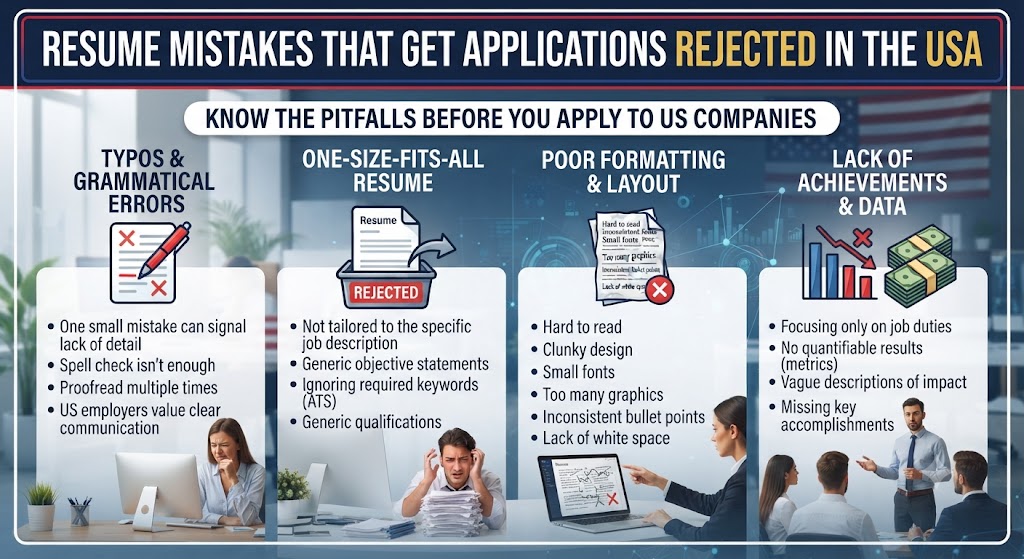
One common mistake is using the same document for every vacancy. Different employers may prioritise different skills, even when the job titles are similar. Adjusting your summary, skills and achievement bullets to match each role makes your application more relevant.
Other mistakes include:
- Adding unrelated personal information or unnecessary details.
- Including responsibilities without explaining outcomes.
- Using vague phrases such as “hardworking” without supporting evidence.
- Providing incorrect dates, inconsistent job titles or outdated contact details.
- Listing skills that cannot be demonstrated during an interview.
- Using excessive colours, decorative icons or complex tables.
- Including salary expectations or references when they have not been requested.
- Submitting a document with spelling mistakes or broken formatting.
Candidates should also avoid exaggerating qualifications or employment history. Recruiters may verify details, and inconsistencies can damage professional credibility.
Before submitting an application, compare your resume with the vacancy and ask three questions: Does it show the required skills? Does it demonstrate relevant achievements? Can a recruiter understand my suitability within a short review?
This final check can help improve clarity and relevance.
How to Make Your Resume Stand Out to Employers
A strong resume connects your experience with the employer’s requirements. It does not simply describe your career; it demonstrates how your skills can contribute to the organisation.
Start by analysing the job description. Identify the main responsibilities, essential qualifications and skills mentioned repeatedly. Then prioritise the evidence that best demonstrates your suitability.
Use these practical strategies:
- Customise your professional summary: Highlight experience and expertise directly related to the role.
- Show measurable results: Describe improvements in revenue, efficiency, customer satisfaction, project delivery or other relevant outcomes.
- Highlight transferable skills: If changing careers, explain how your existing experience applies to the new position.
- Include relevant projects: Freshers and career changers can demonstrate practical abilities through internships, portfolios, coursework and independent projects.
- Keep your online profile consistent: Ensure that your resume and professional profiles present compatible employment dates, qualifications and achievements.
- Prepare for interviews: Be ready to explain the results and responsibilities described in your application.
Job seekers can also use digital job platforms to discover suitable vacancies and understand the skills employers are seeking. The best job tool, as a global job platform, can help candidates explore opportunities across industries and locations while identifying roles aligned with their career goals.
However, finding the right vacancy is only one part of the process. A carefully tailored resume, a relevant application and thorough interview preparation remain essential to presenting yourself effectively.
Conclusion
The difference between a resume and a CV depends on the role, industry and employer. In India, a concise resume is generally suitable for corporate positions, while academic and research roles may require a more detailed CV. Because employers sometimes use these terms interchangeably, candidates should always follow the specific instructions in the job advertisement.
A successful application document should be clear, accurate, relevant and easy to read. Prioritise measurable achievements, use appropriate keywords naturally and choose a format that presents your qualifications effectively.
Freshers should highlight education, internships, projects and practical skills. Experienced professionals should focus on career progression, specialised expertise and business impact. Meanwhile, candidates applying for academic positions should provide the detailed evidence their field requires.
Ultimately, your resume or CV should help employers understand not only what you have done but also what you can contribute. Combine a well-prepared document with targeted applications, continuous skill development and consistent interview preparation to improve your job search.
The best job tool, as a global job platform, can help you explore relevant career opportunities and take the next step towards your professional goals.


Leave a Reply