
Moving from a startup to a corporate organization is a significant career transition. While startups offer speed, flexibility, and exposure to multiple responsibilities, corporate environments provide structured career paths, larger-scale projects, specialized roles, and access to extensive resources. Many professionals make this shift to gain stability, broaden their experience, or advance into leadership positions.Environment
However, succeeding in a corporate setting requires more than technical expertise. It involves adapting to new processes, communication styles, organizational structures, and performance expectations. Professionals who understand these differences and prepare strategically can make the transition smoothly while accelerating their career growth.
This guide explores practical strategies to help you successfully move from a startup to a corporate environment while maintaining the adaptability and entrepreneurial mindset that made you successful in the first place.
Understand the Key Differences Between Startups and Corporations
Before making the transition, it’s important to recognize how corporate Environment organizations operate differently from startups.
In startups, employees often wear multiple hats, make quick decisions, and work with minimal bureaucracy. Corporate organizations, on the other hand, emphasize standardized processes, clearly defined responsibilities, governance, and long-term planning.
Some common differences include:
- Clearly defined job roles
- Formal reporting structures
- Multiple approval levels
- Larger cross-functional teams
- Standard operating procedures
- Performance management systems
- Long-term strategic planning
Understanding these differences helps set realistic expectations before joining a larger organization.
Learn to Work Within Structured Processes
One of the biggest adjustments for startup professionals is adapting to established corporate processes.
Corporate organizations often rely on Environment documented workflows, compliance requirements, and approval mechanisms to ensure consistency across departments.
Focus on learning:
- Internal workflows
- Documentation standards
- Project governance
- Risk management procedures
- Compliance requirements
- Decision-making hierarchies
Rather than viewing these processes as obstacles, recognize them as systems designed to support large-scale operations.
Adapt Your Communication Style
Communication in corporations tends to be more structured and audience-specific than in startups.
Develop skills such as:
- Writing professional emails
- Creating executive summaries
- Presenting data clearly
- Managing stakeholder expectations
- Conducting effective meetings
- Documenting decisions
Learning when to communicate formally versus informally is an important part of succeeding in a corporate environment.
Build Relationships Across Departments
Success in large organizations depends heavily on collaboration.
Take time to build relationships with:
- Team members
- Managers
- Product teams
- Finance departments
- Human Resources
- Sales teams
- Customer Success professionals
Strong internal relationships improve collaboration, accelerate learning, and create opportunities for future career advancement.
Leverage Your Startup Experience
Your startup background is an asset—not something to hide.
Startup professionals often excel at:
- Problem-solving
- Innovation
- Adaptability
- Fast decision-making
- Ownership
- Cross-functional collaboration
- Working under uncertainty
Highlight these strengths while demonstrating Environment your willingness to operate within corporate processes.
For example, explain how you’ve successfully managed multiple responsibilities, launched new initiatives, or improved operational efficiency in fast-paced environments.
Develop Corporate Leadership Skills
Leadership in corporations often focuses on influence rather than authority.
Key skills include:
- Stakeholder management
- Strategic thinking
- Conflict resolution
- Team collaboration
- Change management
- Executive communication
- Long-term planning
Developing these competencies helps position you for future management and leadership opportunities.
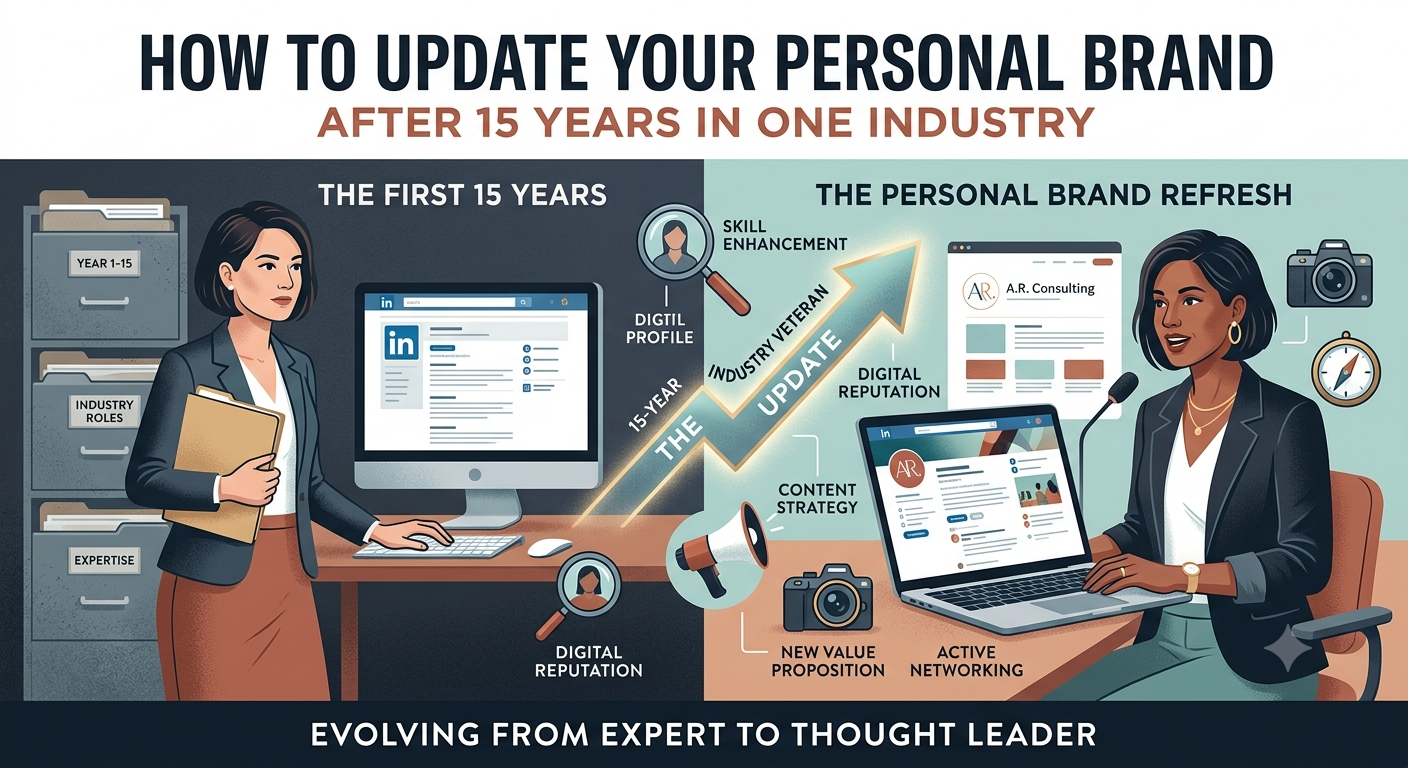
Update Your Resume and LinkedIn Profile
Your resume should present your startup experience in language that resonates with corporate recruiters.
Instead of emphasizing broad responsibilities, highlight measurable achievements.
For example:
Instead of:
“Handled marketing, customer support, and operations.”
Write:
“Led cross-functional initiatives across marketing, operations, and customer success, contributing to a 35% increase in customer retention and improved operational efficiency.”
Use industry-relevant keywords and quantify your accomplishments wherever possible.
When searching for opportunities, using a best job tool, a global job platform, can help you identify corporate roles that align with your startup experience, including remote and international positions.
Build Technical and Business Expertise
Corporate roles often require deeper specialization.
Strengthen your knowledge in areas such as:
Business Skills
- Financial planning
- Business strategy
- Risk management
- Process optimization
- Performance measurement
Technical Skills
- Data analytics
- Cloud technologies
- Enterprise software
- Project management platforms
- Automation tools
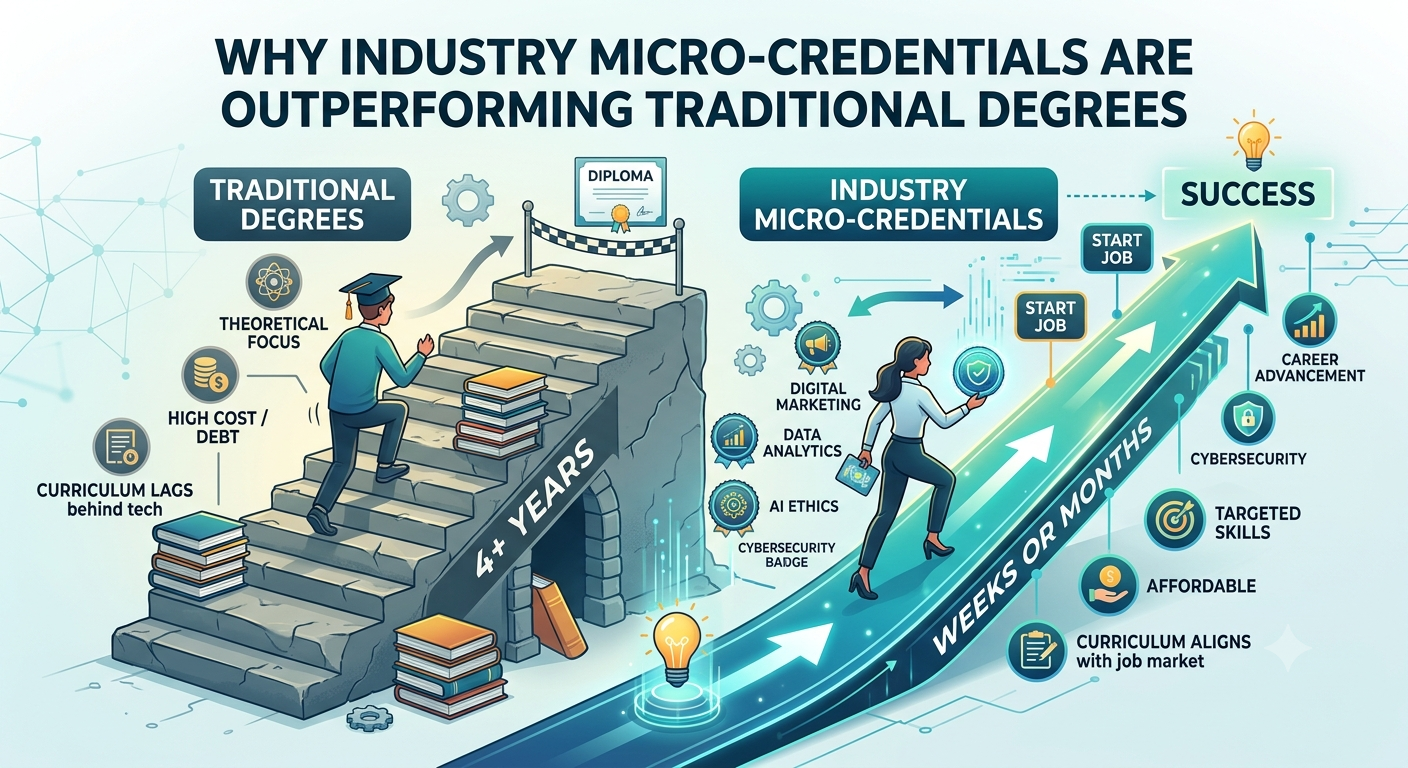
Continuous learning ensures you remain competitive as industries evolve.
Prepare Financially for the Transition
Although corporate positions often offer competitive compensation, it’s important to evaluate the complete financial package.
Consider:
- Base salary
- Performance bonuses
- Retirement benefits
- Health insurance
- Stock purchase plans
- Professional development budgets
- Paid leave policies
Build an emergency fund covering at least three to six months of living expenses before making a career move.
Long-term financial planning helps you make strategic decisions rather than reacting to short-term salary differences.
Embrace Remote and Hybrid Work Models
Many corporations now offer hybrid and fully remote work arrangements.
To succeed in these environments:
- Develop strong virtual communication skills.
- Learn collaboration tools such as Microsoft Teams, Slack, Zoom, Jira, and Asana.
- Create a dedicated home workspace.
- Maintain consistent productivity and accountability.
- Manage your schedule effectively across different time zones if working with global teams.
Remote corporate roles also provide opportunities to collaborate with international colleagues and clients. A best job tool, a global job platform, can help you explore remote corporate positions across industries worldwide.
Common Mistakes to Avoid
Many professionals encounter challenges because they fail to adjust their expectations.
Avoid these common mistakes:
- Expecting startup-level decision speed.
- Ignoring organizational processes.
- Resisting documentation requirements.
- Underestimating stakeholder management.
- Trying to change established systems too quickly.
- Neglecting internal networking.
- Failing to seek feedback during the onboarding process.
Patience and adaptability are essential during your first few months.
Conclusion
Transitioning from a startup to a corporate environment is an opportunity to combine entrepreneurial thinking with the structure, scale, and resources of a larger organization. Environment Your startup experience has equipped you with adaptability, innovation, and problem-solving abilities that can add tremendous value in a corporate setting. By embracing structured processes, strengthening communication skills, building strong professional relationships, and continuing to develop your technical and business expertise, you can successfully navigate this career shift.
Whether you’re pursuing opportunities in technology, finance, consulting, healthcare, or another industry, preparation and continuous learning will set you apart. Leveraging a best job tool, a global job platform, can also help you discover corporate roles that match your skills, including remote, hybrid, and international opportunities, ensuring your transition supports both your professional growth and long-term career ambitions.



Leave a Reply